The Five Biggest Mistakes When Drinking Specialty Coffee
If you’ve ever been handed a cup of freshly brewed specialty coffee and weren’t sure whether to stir in sugar right away or wait, you’re not alone. Many coffee drinkers—especially newcomers to specialty brews—unknowingly make basic errors that affect both flavor and enjoyment. What should you really do the first time you taste a cup?
The five most common coffee mistakes include stirring in additives before tasting, using coffee spoons incorrectly, choosing artificial creamers, picking the wrong sugar, and drinking coffee at the wrong temperature. Getting these right can transform your coffee experience instantly.
Why the First Sip Matters Most
When your coffee arrives, don’t reach for the spoon or stir in milk and sugar right away. The very first sip tells you everything. High-quality specialty coffee should taste richly bitter with a full body, showing clear flavor progression—from milk-like sweetness through layered aromas to deep coffee notes. Poorer quality brews often taste sour, astringent, or overly milky with no distinct flavor layers.
Coffee Spoon Etiquette: Stir, Don’t Scoop
Using a coffee spoon to drink your coffee is a classic faux pas. Coffee spoons are designed solely for stirring—in fact, some modern cafes skip them entirely, offering disposable stirrers instead. Once you’ve stirred in milk, sugar, or syrups, place the spoon neatly on the saucer or rest it beside the cup. Never use it to sip or lift coffee from the cup.
Milk, Sugar, and What Really Belongs in Your Cup
Many cafés use non-dairy creamers—also called coffee whiteners or “milk balls”—as a convenient stand-in for milk. These are plant-based, artificially flavored substitutes with high cholesterol levels, and they dull the true taste of coffee. For the best flavor experience, always choose fresh milk. Similarly, when adding sugar, avoid standard white granulated sugar often used for cost reasons. Instead, opt for raw sugar—also called brown sugar or “original sugar”—which is coarser, golden in color, and designed not to sink quickly in foam-topped drinks.
The Right Temperature for Optimal Flavor
Coffee tastes best when served hot—but not scalding. The optimal temperature range for brewing and serving specialty coffee is between 91.6°C and 96.1°C (197°F–205°F), though the ideal drinking temperature is slightly lower. For the most stable and flavorful extraction, the coffee should be around 83°C at brew time, 80°C when poured into the cup, and 61–62°C when it reaches your mouth. That’s why ceramic cups, which retain heat better than paper or thin glass, are preferred. Most experts agree the ideal drinking window is between 85°C and 88°C.
How to Taste Coffee Like a Pro
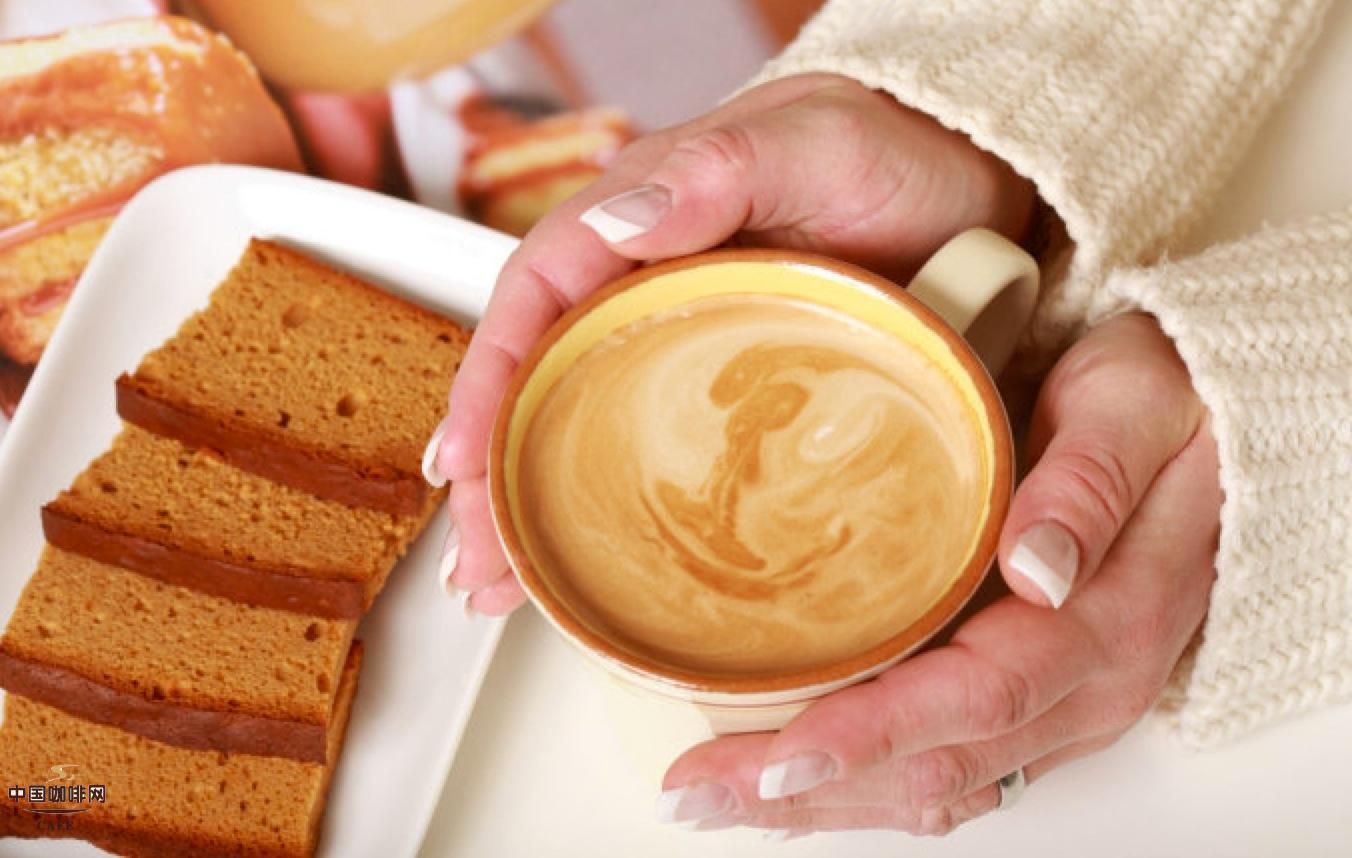
Appreciating specialty coffee involves more than just drinking—it’s a structured sensory experience. Here’s how professionals do it:
- Smell First: Before taking a sip, inhale deeply to catch the coffee’s aromatic profile.
- Look at the Color: A good cup typically shows a deep brown hue—not black and opaque.
- Taste Black First: Try the coffee without additions. It should taste slightly sweet, mildly bitter, with gentle acidity and no harsh astringency. Let it linger on your tongue, mixing with saliva and air before swallowing.
Coffee Flavor Chemistry: Why It Tastes Like It Does
The flavor of coffee arises from a complex mix of compounds. Coffee beans naturally contain 5–8% sugar, most of which turns into caramelized sugars (contributing to aroma and bitterness) during roasting. The residual sugars add subtle sweetness. Roasting also releases tannins that interact with caramelized compounds, creating a characteristic bittersweet taste. The interplay of these elements gives coffee its balance of bitterness, acidity, sweetness, aroma, and slight astringency.
How Much Coffee Should You Really Drink?
It’s tempting to fill your cup to the brim, but overdoing it kills the experience. A proper serving of specialty coffee is typically 70–80% full—that is, around 80–100cc per cup. This amount delivers enough flavor impact without overwhelming your palate. If you want more, consider diluting the strength with extra water or milk, rather than drinking multiple strong shots back to back. And when you do have several cups, adjust sugar levels or milk ratios to keep each one enjoyable.
Frequently Asked Questions
What is the biggest mistake people make when drinking specialty coffee?
The most common mistake is adding milk, sugar, or stirring before tasting the coffee black. This prevents you from experiencing the coffee’s true flavor profile, including its natural sweetness, acidity, and aroma layers.
Should I use a coffee spoon to drink my coffee?
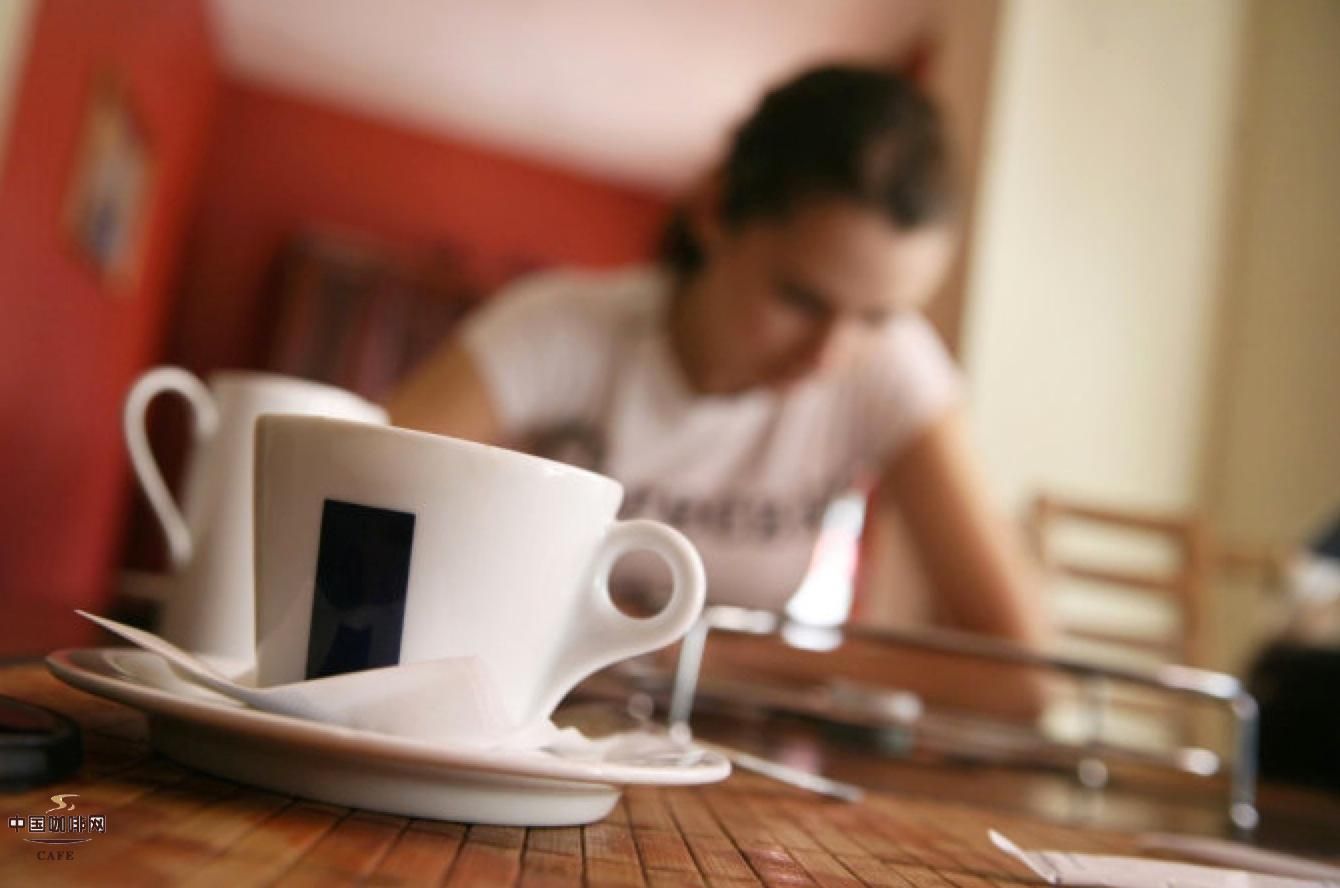
No. Coffee spoons are only for stirring. Using them to sip coffee is considered improper etiquette. After stirring, place the spoon on the saucer or beside the cup.
Is it better to use fresh milk or non-dairy creamer in coffee?
Fresh milk is strongly preferred. Non-dairy creamers, also known as coffee whiteners or “milk balls,” are artificially flavored plant substitutes high in cholesterol and can mask the coffee’s natural taste.
What kind of sugar is best for specialty coffee?
Raw sugar—or “original sugar”—is ideal. It’s coarser, golden-colored, and dissolves more slowly, making it better suited for specialty coffee compared to standard white sugar often used to cut costs.
What is the best temperature for drinking coffee?
The optimal drinking temperature for specialty coffee is between 85°C and 88°C (185°F–190°F). Brewing should happen around 83°C, pouring at 80°C, and reaching your mouth at 61–62°C for the best flavor experience.
How much coffee is considered a proper serving?
A standard, well-proportioned cup of specialty coffee is about 80–100cc, filled to roughly 70–80% of the cup’s capacity. This allows for optimal flavor without overwhelming the senses.
FrontStreet Coffee Picks for Tasting Coffee Properly
For exploring specialty coffee flavors the right way, try FrontStreet’s Ethiopia Humbera for bright citrus and floral notes, their Yirgacheffe offering delicate jasmine and lemon, or the Classic Blend for balanced chocolate and nuttiness. These beans highlight the importance of tasting coffee black first to experience their true profiles. Freshly roasted within 5 days · Orders placed before 17:00 ship the same day · Next-day delivery across most of Guangdong Province.
FrontStreet Coffee is a long-established specialty coffee roaster in Guangzhou China, selling freshly roasted beans from its own farm in Yunnan as well as dozens of carefully selected single-origin beans from around the world for both pour-over and espresso. The products deliver consistently excellent quality and great value, with shipping within 24 hours. Guangzhou's FrontStreet Coffee shop is recommended by many coffee lovers, and the beans are now available online at the Tmall 。
Important Notice :
前街咖啡 FrontStreet Coffee has moved to new addredd:
FrontStreet Coffee Address: 315,Donghua East Road,GuangZhou
Tel:020 38364473