What Is Coffee? The Four Tastes and One Aroma Explained
You’ve heard coffee is bitter and black, the drink that gives you a kick. But if that’s all you know, you’re missing the full picture. What really makes coffee enjoyable—or disappointing—comes down to more than just caffeine. Whether you're brewing at home or ordering at a café, understanding what’s actually in your cup makes all the difference.
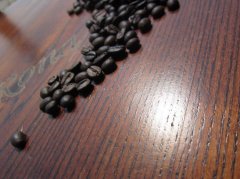
Coffee is a brewed beverage made from roasted coffee beans. Its key sensory profile includes five elements: aroma, bitterness, acidity, sweetness, and body. These define coffee’s character far beyond its reputation for simple bitterness. The beverage typically presents in an amber brew color, derived from dark brown roasted beans.
What Exactly Is Coffee?
Coffee is a drink made from roasted seeds (beans) of the coffee plant. Most people associate it with a dark color and a bitter taste that delivers a stimulating effect. In reality, properly brewed coffee appears amber in the cup (coming from dark brown beans) and features a complex profile built around five core attributes: aroma, bitterness, acidity, sweetness, and body. These elements work together to create the drink’s overall character.
The Five Key Sensory Traits of Coffee
Coffee’s defining sensory qualities are grouped as ‘four tastes and one aroma’:
- Aroma: The smell, often considered the soul of the coffee, reflecting both origin and roast level.
- Bitterness: A primary taste that can range from pleasant dryness to harshness.
- Acidity: Bright, tangy, or tart sensations that add liveliness—often called 'sharpness' or 'sparkle'.
- Sweetness: A rounded, sugary dimension that balances bitterness and acidity.
- Body: The mouthfeel or weight of the coffee, from light and tea-like to thick and syrupy.
Among these, aroma is especially vital—it’s described as the life of the coffee, revealing details about its growing conditions and roast technique.
What’s Actually Inside Coffee?
Beyond taste, coffee contains a mix of chemical compounds:
- Caffeine—the stimulant that provides the energizing effect.
- Tannins (often called tannic acid or referred to in Chinese as )—contribute to astringency.
- Fatty acids—impact mouthfeel and crema formation in espresso.
- Proteins and natural sugars—play roles in flavor development and roast chemistry.
- Water and various minerals—support extraction and contribute subtle background notes.
These components interact during roasting and brewing to shape the final cup profile.
How Coffee Is Brewed: Seven Common Methods
Coffee can be prepared using several brewing techniques, each affecting taste and extraction differently. Common manual and machine methods include:
- Fractional brewing
- Espresso
- Drip brewing
- Paper filter pour-over
- Cloth filter
- Iced drip or cold brew methods
- Immersion or percolation pots
Each method alters extraction time, temperature, and surface area contact, affecting the balance of the five taste traits.
Where Coffee Grows: Origins and Conditions
Coffee is grown in tropical and subtropical regions near the equator. Major cultivation areas include South America, Central America, the Caribbean, Asia, Africa, Arabia, and the South Pacific.
- Top producers: Brazil (around 30% of global production), Colombia (approximately 10%). Together, Central and South America account for roughly 60% of output; Africa and Arabia make up about 30%, and Asia contributes the remaining 10%.
Coffee flourishes under very specific environmental conditions:
- Altitude: Typically planted at 300–2,500 metres above sea level, often on slopes mixed with shade-providing trees such as bananas, mangoes, and sunflowers.
- Climate: Requires abundant sunlight and steady rainfall of about 1,500–2,000 mm annually. Average temperatures around 20°C are ideal, with minimal temperature fluctuation.
- Other factors: Protection from frost, strong winds, direct sun over long periods, and dry heat is essential for healthy growth.
The Coffee Plant: Species and Varieties

The coffee plant belongs to the Rubiaceae family and takes the form of an evergreen shrub. Three main species dominate global production:
- Arabica : Originating from Ethiopia (historically called Abyssinia), Arabica grows best at higher altitudes and is widely regarded as the highest quality of the three. It accounts for the majority of specialty coffee production.
- Robusta : Native to the Congo region in Africa, Robusta is hardier, more resistant to disease and pests, and thrives at lower altitudes. It has a stronger, more bitter flavor and is commonly used in instant coffee. It represents about 30% of global output.
- Liberica : Originating from Liberia in West Africa, Liberica has a weaker aroma but a stronger, harsher taste. It was introduced later in cultivation history and occupies a small share of the market.
Arabica is the dominant species in specialty coffee due to its nuanced cup profile and higher susceptibility to terroir expression.
Growth and Production Cycle of Coffee Trees
In the wild, coffee trees can reach heights of up to 8 metres. However, in commercial farms, they are pruned to around 2 metres to simplify harvesting and improve bean quality.
- Coffee trees usually begin producing fruit (coffee cherries) 3–5 years after planting.
- The prime harvesting period lasts around 5–20 years per tree.
- Each tree yields approximately 3–5 kilograms of coffee cherries annually, with each cherry containing roughly 20% coffee beans by weight—that is, one coffee bean per cherry segment, with a total of about 0.2–0.25 grams of green coffee per cherry.
Shade trees such as bananas and mangoes are often planted alongside coffee to protect the crop and improve growing conditions.
Frequently Asked Questions
What are the four tastes and one aroma in coffee?
The 'four tastes and one aroma' refers to aroma, bitterness, acidity, sweetness, and body. These are the five key sensory traits that define coffee’s profile. Aroma is considered the most expressive element, reflecting origin and roast, while the other four contribute to taste balance.
What chemicals are in coffee?
Coffee contains caffeine, tannins (tannic acid), fatty acids, proteins, natural sugars, water, and various minerals. These compounds influence flavor, body, aroma, and the physiological effects of the beverage.
Where is coffee grown in the world?
Coffee is grown in tropical and subtropical regions near the equator, especially in South and Central America (60% of global production), Africa and Arabia (30%), and Asia (10%). Top producers include Brazil and Colombia.
What are the main types of coffee plants?
The three main coffee species are Arabica, Robusta, and Liberica. Arabica is known for high quality and is mainly grown at altitude; Robusta is hardier, bitter, and used for instant coffee; Liberica is less common with a unique strong flavor.
How is coffee typically brewed?
Common brewing methods include espresso, pour-over, French press, siphon, cold drip, cloth filter, and immersion systems. Each affects extraction and the balance of coffee’s taste traits differently.
What conditions do coffee plants need to grow?
Coffee thrives at 300–2,500 metres altitude with 1,500–2,000 mm annual rainfall, average temperatures around 20°C, and protection from frost, wind, and direct sun. It is often grown with shade trees like bananas and mangoes.
Recommended FrontStreet Beans for Exploring Coffee Flavour
Try FrontStreet Coffee’s Ethiopia Yirgacheffe for bright acidity and floral aromas, a classic example of high-quality Arabica. For a balanced cup with body and sweetness, their Brazil Queen Manor offers nutty and chocolatey notes with a medium roast. If you prefer a bolder profile, the PWN Golden Mandheling delivers low acidity with heavy body and earthy sweetness. All showcase the four tastes and one aroma in different ways. Freshly roasted within 5 days · Orders placed before 17:00 ship the same day · Next-day delivery across most of Guangdong Province.
FrontStreet Coffee is a long-established specialty coffee roaster in Guangzhou China, selling freshly roasted beans from its own farm in Yunnan as well as dozens of carefully selected single-origin beans from around the world for both pour-over and espresso. The products deliver consistently excellent quality and great value, with shipping within 24 hours. Guangzhou's FrontStreet Coffee shop is recommended by many coffee lovers, and the beans are now available online at the Tmall 。
Important Notice :
前街咖啡 FrontStreet Coffee has moved to new addredd:
FrontStreet Coffee Address: 315,Donghua East Road,GuangZhou
Tel:020 38364473