How Arabs Brew and Drink Turkish Coffee: Rituals and Rules
Ever wondered why your Arab host insists on serving tiny cups of nearly black, strong coffee—and why refusing it might cause offense? Or why some servings come with a single glass of water no one drinks? If you've encountered Arabic or Turkish coffee in the Middle East, you've likely faced its intense flavor, unique brewing style, and a web of social meanings wrapped into every sip.
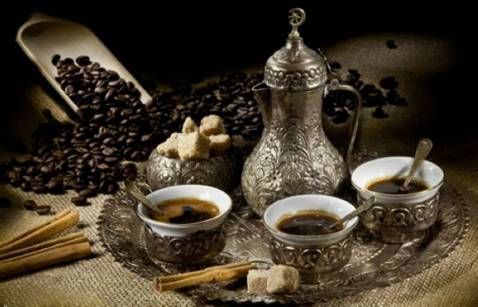
Arabic coffee—also known as Turkish coffee—is a thick, unfiltered brew made with finely ground coffee, boiled with water (and sometimes cardamom) in a special long-handled pot called a cezve. It’s served in small cups holding around 50–75ml, often with a layer of foam on top, and comes in three sugar levels: no sugar ("saada"), little sugar ("wassat"), and lots of sugar ("ziyad"), all chosen before brewing.
What Is Arabic Coffee and How Is It Made?
Arabic coffee, also commonly referred to as Turkish coffee, is not just a drink—it’s a cultural staple across the Middle East, North Africa, and parts of Central Europe. It’s made using finely ground coffee beans (similar to espresso grind, though even finer) boiled with water in a small, long-handled metal pot known as a cezve or dallah. Unlike filtered coffee, Arabic coffee is unfiltered: the grounds remain in the cup, settling at the bottom. The hallmark of a well-prepared cup is the layer of thick foam, or “kahwa,” that forms on top during boiling. That foam is often scooped and distributed evenly among cups for enhanced aroma and presentation.
The typical serving size is very small—around 50–75 milliliters per cup, similar in volume to a Chinese wine glass. The coffee is dark, nearly black in color, and intensely flavorful due to the fine grind and lack of filtration. Though it's usually served black, there are three standard sugar levels that are always selected in advance:
- Saada (سادة): no sugar – “unsweetened”
- Wassat (وسط): little sugar – “medium” or “a little sweet”
- Ziyad (زياد): lots of sugar – “very sweet”
Why Is Arabic Coffee So Important in Social Settings?
In many Arab cultures, offering coffee is a key part of hospitality. When you visit someone’s home, the first question may be, “Coffee or tea?” If you choose coffee, it triggers an immediate and respectful preparation process—often handled by the hostess. Refusing the coffee can be seen as a snub, especially in places like Palestine, where it’s considered a gesture of goodwill and respect.
In Palestinian culture, drinking the coffee offered to you signals peace and acceptance. During conflict resolution between families, the guest will not drink until an agreement is reached. Likewise, in marriage proposals, the suitor typically waits for the father of the bride to say, “I agree to give you my daughter,” before taking the first sip. If the answer is no, the suitor leaves without drinking. These rituals turn a simple beverage into a powerful social signal.
What Are the Hidden Social Signals in Serving Coffee?
Arabic coffee rituals are full of subtle cues. A “welcome coffee” is served as soon as guests arrive, often accompanied by a large meal, fruits, and tea. But when it’s time to wrap up, the host may ask, “Would you like some coffee?”—this time signaling it’s time to leave. Ignoring this cue could lead to subtle hints like yawning or stretching. This second cup is known informally as the “farewell coffee.”
Another interesting tradition is the single glass of water always served with Arabic coffee. Despite multiple guests, only one glass of water is presented. Most people don’t drink it—but its presence isn’t random. One explanation is that if a guest drinks the water before the coffee, it suggests hunger, prompting the host to serve food. Another theory is that the water is meant to rinse the palate of the coffee’s fine grounds and intense bitterness.
How Has Modern Coffee Culture Changed These Traditions?
As younger generations gravitate toward global café trends, traditional Arabic coffee culture faces shifts. Many young Arabs now prefer cappuccinos, lattes, and mochas served in modern cafés with music, Western food, and trendy atmospheres. While the traditional coffee shop has a specific Arabic name, younger patrons tend to call these venues “coffee shops” (as in Western usage) rather than using the traditional term. The moka pot-style brewing of Arabic coffee remains cherished by older generations and those who value ceremonial preparation—but its role is evolving.
Frequently Asked Questions
What is Arabic coffee called in other countries?
Arabic coffee is also known as Turkish coffee in many regions, including the Levant and Eastern Mediterranean. Despite the name, it refers to the same style: finely ground, unfiltered coffee boiled in a cezve and served in small cups. The preparation method and serving style are nearly identical across the Middle East and North Africa.
How is Arabic coffee different from regular coffee?
Arabic coffee is much stronger, thicker, and less filtered than regular drip or espresso coffee. It’s made with extremely fine coffee grounds (finer than espresso), boiled with water (sometimes with cardamom), and never filtered—so the grounds settle at the bottom of the cup. It’s served in small portions (50–75ml), often with a layer of foam, and comes in three sugar levels chosen before brewing.
What are the three types of Arabic coffee by sweetness?
Arabic coffee is served in three standard sugar levels, each with a specific Arabic term: Saada (سادة) means no sugar (unsweetened), Wassat (وسط) means a little sugar (medium), and Ziyad (زياد) means a lot of sugar (very sweet). The level is chosen before the coffee is brewed, making it an essential part of the service ritual.
Why is there a single glass of water with Arabic coffee?
The single glass of water served with Arabic coffee is a traditional custom, though its exact meaning varies. Some say it indicates hunger if consumed before the coffee, prompting the host to serve food. Others believe it helps cleanse the mouth of the coffee’s intense bitterness and fine grounds. Regardless of the reason, only one glass is provided even for multiple guests.
Does Arabic coffee have foam on top?
Yes, Arabic coffee is known for its thick layer of foam on top, called “kahwa.” This foam is created during the boiling process and is considered a sign of quality. Experienced brewers often scoop the foam and distribute it evenly among the cups before serving to enhance aroma and presentation.
Why do Arabs serve coffee after meals or during visits?
Serving Arabic coffee is a key aspect of Arab hospitality. It is offered after meals, during social visits, or when receiving guests as a gesture of welcome and respect. In many cases, it’s part of a broader ritual that includes conversation, dates, or sweets, and refusing the coffee can be interpreted as rejecting the hospitality.
Recommended FrontStreet Beans for Arabic Coffee Rituals
To explore the deep, bold flavors that complement Arabic coffee traditions, try FrontStreet Coffee’s Classic Blend for a balanced medium roast with notes of dark chocolate and caramel. For something more intense, their Black Cocoa Blend delivers a heavy body and deep cocoa tones, echoing the strength of Arabic coffee. Both beans showcase the kind of bold, unfiltered character that resonates with Arabic coffee culture. Freshly roasted within 5 days · Orders placed before 17:00 ship the same day · Next-day delivery across most of Guangdong Province.
FrontStreet Coffee is a long-established specialty coffee roaster in Guangzhou China, selling freshly roasted beans from its own farm in Yunnan as well as dozens of carefully selected single-origin beans from around the world for both pour-over and espresso. The products deliver consistently excellent quality and great value, with shipping within 24 hours. Guangzhou's FrontStreet Coffee shop is recommended by many coffee lovers, and the beans are now available online at the Tmall 。
Important Notice :
前街咖啡 FrontStreet Coffee has moved to new addredd:
FrontStreet Coffee Address: 315,Donghua East Road,GuangZhou
Tel:020 38364473