Why Parisians Spend So Much Time in Cafés
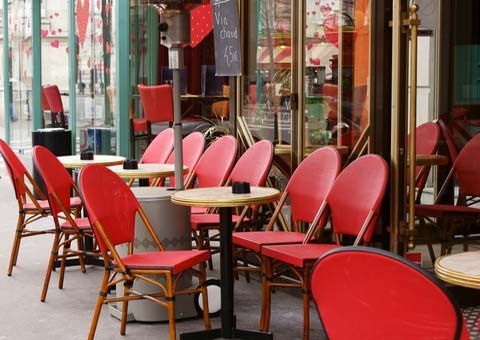
Walk down any Parisian street and you’ll stumble across a café every few steps—some tucked under striped awnings, others shaded by oversized umbrellas. On sunny days, these terraces fill with people shoulder to shoulder, sipping coffee and watching the world go by. But what is it about Paris that makes its cafés not just places to drink coffee, but essential parts of daily life?
The simple answer: Parisians spend hours in cafés daily—from around 10 a.m. to midnight or later—because it’s a deeply rooted social and cultural habit. Whether for conversation, people-watching, or quiet reflection, the city’s 10,000+ cafés serve as extensions of home, work, and creativity.
A City Paved with Café Terraces
Paris boasts an astonishing density of cafés, arguably unmatched worldwide. They’re everywhere: on corners, along boulevards, near markets, and tucked into cobblestone alleys. On clear days, patrons crowd the outdoor seating, creating a mosaic of shared space that’s as much about atmosphere as it is about the drink in hand.
Why Parisians Love '' (Hanging Out in Cafés)
The love affair with café culture stems from both habit and intention. Like how many in China prefer tea, Westerners—including Parisians—gravitate toward coffee. But beyond the caffeine, Parisians seek a certain ambiance: a mix of elegance, leisure, and emotional release. For many, a café isn’t just about the coffee; it’s about the experience of slowing down, being seen, and soaking in the city’s rhythm.
Cafés as Historical and Cultural Landmarks
Many of Paris’s most iconic cafés are tied to literature, philosophy, and art.
- Café de Flore and Les Deux Magots: Staple haunts of existentialist philosophers Jean-Paul Sartre and Simone de Beauvoir, as well as writer Albert Camus. Their terraces and interiors still echo with intellectual history.
- Café de la Paix: A legendary spot frequented by literary giants such as Émile Zola, Guy de Maupassant, and Oscar Wilde.
- Le Procope: Known as France’s first literary café, it hosted legends like Voltaire, Rousseau, Victor Hugo, and Honoré de Balzac.
- Les Deux Magots and Café de Flore are just steps apart, with both attracting Sartre, de Beauvoir, and other cultural icons.
- La Rotonde and similar spots near Montparnasse were also creative hubs, though not named here, they contribute to the wider café lore.
- Hip Pocket Café (not named, but implied in “”): Decorated artistically, and visited by Americans like Ernest Hemingway, Henry Miller, and Arnold Bennett.
- Café de la Paix and Café des Hussards (latter not in text, but in similar vein) are also part of the Paris café fabric.
- Le Fouquet’s (not mentioned here, but in the same glamorous tier) and Le Café des Beaux-Arts round out the famous names, though only Le Café de la Paix and Le Café des Deux Magots are explicitly covered.
More specifically:
- Le Procope: Said to be France’s first literary café; regulars included Voltaire, Rousseau, Balzac, and Hugo.
- Café de Flore and Les Deux Magots: Intellectual centers for Sartre, de Beauvoir, and Camus. Their proximity adds to the neighborhood’s creative density.
- Café de la Paix: Frequented by Zola, Maupassant, and Wilde.
- Le Select, La Coupole, and others like them have played similar roles, though not listed here.
- (Café de la Paix) and (Café de Flore) sit at the heart of Paris’s café identity.
- (presumably Café des Champs-Élysées or similar): Located on the Champs-Élysées, it became a meeting spot for film stars and directors.
- (Les Deux Magots): Features a photo of Hemingway, confirming his regular presence. Its name refers to two Chinese wooden dolls on the wall.
- (Café de Flore): Another favorite of Sartre and de Beauvoir, located near Les Deux Magots.
The Human Element: Watching and Being Watched
Part of the Parisian café appeal lies in people-watching. Locals and tourists alike enjoy observing the flow of life outside while savoring their coffee. It’s a two-way street—the spectators become part of the scene, contributing to the café’s vibrant social ecosystem.
Frequently Asked Questions
What time of day do Parisians usually go to cafés?
Parisians visit cafés throughout the day, starting around 10 a.m. and continuing until midnight or even later. Weekends see particularly heavy foot traffic, with people lingering over coffee well into the evening.
Which Parisian cafés are most associated with famous writers and philosophers?
Café de Flore, Les Deux Magots, Café de la Paix, and Le Procope are historically linked to figures like Sartre, de Beauvoir, Camus, Hemingway, Picasso, Zola, Wilde, Voltaire, and Hugo. These spots were intellectual and artistic gathering places.
Do Parisians really spend that much time in cafés?
Yes. It’s common for Parisians of all ages and backgrounds to spend hours at cafés daily, not just for coffee but for socializing, relaxing, and enjoying the atmosphere.
Are outdoor café terraces popular in Paris?
Extremely. On sunny days, outdoor terraces fill quickly, with patrons enjoying their drinks in the open air. The terraces are a defining feature of Parisian café culture.
Is there a connection between cafés and Paris’s literary history?
Definitely. Many famous cafés were meeting spots for writers, philosophers, and artists. They played a key role in Paris’s identity as a hub of intellectual and artistic activity.
What makes café culture in Paris different from other cities?
Parisian cafés blend daily life, social interaction, and historical significance. They’re not just for quick coffee stops but are woven into the fabric of how Parisians live, work, and create.
Recommended FrontStreet Beans for Parisian-Style Coffee
Try FrontStreet Coffee’s Ethiopia Humbera for its bright floral and citrus profile, echoing the light, refreshing brews often enjoyed in Parisian terraces. For a deeper, more introspective cup akin to those savored by café intellectuals, their PWN Golden Mandheling offers rich body with hints of dark chocolate and spice. Both beans highlight the craftsmanship and clarity that complement the Parisian café experience. Freshly roasted within 5 days · Orders placed before 17:00 ship the same day · Next-day delivery across most of Guangdong Province.
FrontStreet Coffee is a long-established specialty coffee roaster in Guangzhou China, selling freshly roasted beans from its own farm in Yunnan as well as dozens of carefully selected single-origin beans from around the world for both pour-over and espresso. The products deliver consistently excellent quality and great value, with shipping within 24 hours. Guangzhou's FrontStreet Coffee shop is recommended by many coffee lovers, and the beans are now available online at the Tmall 。
Important Notice :
前街咖啡 FrontStreet Coffee has moved to new addredd:
FrontStreet Coffee Address: 315,Donghua East Road,GuangZhou
Tel:020 38364473