13 Coffee Facts You Probably Didn’t Know
You’ve heard the stories—dancing goats, banned coffeehouses, and secret energy pills—but what’s really true about coffee? Whether you’re a curious newbie or a daily drinker, there are plenty of surprising facts behind your morning cup. Let’s uncover the real history and science behind one of the world’s favorite drinks.
In short: Coffee likely began with Ethiopian goats getting hyper off coffee cherries, was originally eaten as a fat-covered energy snack, and today 70% of global coffee consumption is Arabica. Espresso isn’t a bean type but a brewing method using finely ground coffee and high pressure. Oh, and the term ‘Americano’ comes from WWII soldiers diluting strong espresso with water.
The Origins: From Goats to Global Drink
Coffee’s story may have started in Ethiopia, where legend says a goat herder noticed his goats dancing after eating coffee cherries. This unusual behavior led to the discovery of caffeine’s stimulating effects. That’s right—your daily energy boost might trace back to some very excited livestock.
How People First Consumed Coffee
Long before espresso machines and pour-over cones, coffee was eaten. African tribes mixed coffee cherries with animal fat to form energy-rich “energy pills.” These dense, portable snacks provided a quick fuel boost—practical for nomadic life, and a far cry from your local café’s oat milk latte.
Coffee and Culture: Religion, Royalty, and Revolutions
The spread of Islam helped make coffee socially acceptable. Since the religion prohibited alcohol, coffee became the go-to alternative beverage. Later, in 1675, the King of England tried to shut down coffeehouses, claiming they were hotbeds of conspiracy against him. Spoiler: people just kept drinking coffee anyway.
Where Coffee Grows: The Coffee Belt
All coffee in the world is grown within the “coffee belt,” the tropical region between the Tropic of Cancer and the Tropic of Capricorn. This band of land provides the ideal climate—steady warmth, elevation, and rainfall—for coffee trees to thrive.
What Is Coffee, Really?
Coffee “beans” are actually seeds found inside bright red coffee cherries. Yes, you’re brewing seeds. Each cherry usually holds two beans (except for the occasional peaberry mutation). These seeds are harvested, processed, dried, and roasted before they ever see your brewer.
How Coffee Is Processed and Roasted
After harvest, coffee cherries are dried and depulped to extract the green coffee beans. These unroasted beans are shipped worldwide and then roasted—typically around 500°F (260°C). During roasting, beans expand dramatically with an audible “first crack” and then a “second crack” that signals they’re fully roasted and ready for brewing.
The Plants: Coffee Grows on Trees
Coffee comes from trees—not bushes—that can grow up to 30 feet tall. However, most are pruned to around 10 feet (3 meters) to make harvesting easier. These evergreen shrub-like trees produce the cherries that hide the beans we all know and love.
Global Trade: More Than Just a Drink
Coffee is the world’s second-most traded commodity, right after petroleum. That makes it one of the most valuable and widely moved goods on the planet—more than gold, wheat, or natural gas. Humanity’s love affair with this dark liquid is no small thing.
Brewing Methods: What Espresso Really Means
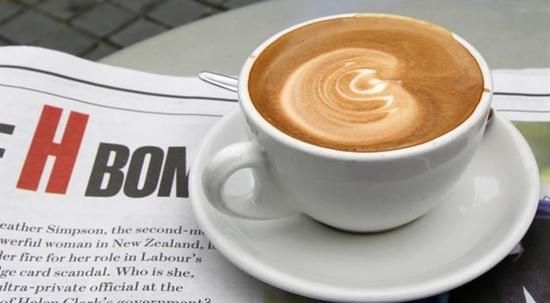
Espresso isn’t a type of bean or roast—it’s a brewing technique. It involves forcing nearly boiling water through finely-ground coffee under high pressure. This method produces a concentrated shot with a rich crema on top, and it’s the base for drinks like lattes and cappuccinos.
The Invention of Instant Coffee
The first patent for instant coffee was filed in 1890 by New Zealander David Strang. Later, inventor George Washington (no relation to the U.S. president) developed a mass-production method and launched it commercially in 1910. It’s come a long way since then—and remains a staple for many coffee drinkers on the go.
Military Influence: The Birth of the Americano
The term “Americano” originated during World War II. American soldiers stationed overseas preferred to dilute strong European espresso with hot water to mimic the drip coffee they drank back home. The result? A milder, larger cup that still delivered caffeine—and a name that stuck.
Arabica vs Robusta: The Bean Breakdown
Globally, 70% of coffee consumed is Arabica, known for its smoother, more aromatic profile. The remaining 30% is Robusta, which is stronger, more bitter, and contains nearly 1.5 times the caffeine of Arabica. Most specialty coffee focuses on Arabica for its nuanced flavors, while Robusta is often used for espresso blends or instant coffee.
Frequently Asked Questions
Did coffee really start because of dancing goats?
Yes, according to Ethiopian legend, a goat herder named Kaldi noticed his goats acting energetically and dancing after eating coffee cherries. This unusual behavior led him to try the cherries himself and eventually helped discover the stimulating effects of caffeine. While unverified, it’s one of the most popular origin tales for coffee.
Was coffee originally eaten instead of drunk?
Yes, early African tribes mixed coffee cherries with fat to create energy-dense food balls. These “energy pills” were a practical, portable way to consume caffeine before brewing methods were developed. Drinking coffee became common later as preparation techniques evolved.
Why is espresso not a type of coffee bean?
Espresso is a brewing method, not a bean variety or roast level. It involves pushing hot water through finely-ground coffee under high pressure, producing a concentrated shot. Any roasted coffee bean can be used to make espresso, although certain beans and roasts are better suited for the process.
Is it true that Robusta has more caffeine than Arabica?
Yes, Robusta beans contain almost 1.5 times more caffeine than Arabica beans. This higher caffeine content contributes to Robusta’s stronger, more bitter flavor and makes it more resistant to pests. Arabica is more popular in specialty coffee for its smoother, more complex taste profile.
What does “coffee belt” mean?
The “coffee belt” refers to the region between the Tropic of Cancer and the Tropic of Capricorn, where all coffee is grown. This tropical zone offers the ideal combination of altitude, temperature, and rainfall needed for coffee plants to thrive and produce high-quality beans.
Why did British coffeehouses get banned in 1675?
In 1675, the King of England accused coffeehouses of being places where people conspired against him. He issued a royal order to shut them down, fearing they were centers of rebellion. The ban was short-lived, as public demand for coffee and social gatherings quickly overturned it.
Recommended FrontStreet Coffee for Exploring Origins
Try FrontStreet Coffee’s Ethiopia Yirgacheffe for bright, floral notes reminiscent of coffee’s vibrant Ethiopian roots. For a classic balanced cup, their Brazil Queen Manor offers nutty sweetness with low acidity—great for exploring Arabica’s range. Need more kick? Their Rwanda Red Bourbon brings juicy body and bold character. All are single-origin beans that let you taste the diversity behind the world’s favorite drink. Freshly roasted within 5 days · Orders placed before 17:00 ship the same day · Next-day delivery across most of Guangdong Province.
FrontStreet Coffee is a long-established specialty coffee roaster in Guangzhou China, selling freshly roasted beans from its own farm in Yunnan as well as dozens of carefully selected single-origin beans from around the world for both pour-over and espresso. The products deliver consistently excellent quality and great value, with shipping within 24 hours. Guangzhou's FrontStreet Coffee shop is recommended by many coffee lovers, and the beans are now available online at the Tmall 。
Important Notice :
前街咖啡 FrontStreet Coffee has moved to new addredd:
FrontStreet Coffee Address: 315,Donghua East Road,GuangZhou
Tel:020 38364473