How People Around the World Drink Coffee
Ever wonder why Italians sip tiny cups of dark espresso standing at the bar, while Turks read their future in coffee grounds? Or how the British once boiled coffee in pots like tea? Coffee isn’t just a drink—it’s a ritual shaped by culture, history, and local taste. If you’ve ever been curious how people in different countries actually make and enjoy their coffee, here’s the real breakdown, straight from the source.
From Italy’s 30-second espresso to Ethiopia’s ceremonial coffee service, this guide covers ten distinct ways people around the world brew and drink coffee, including grind types, brewing vessels, flavor pairings, and unique traditions like Turkish coffee fortune-telling.
Italy: Quick and Strong Espresso
Italians drink espresso—a thick, concentrated coffee served in small cups—prepared quickly and consumed just as fast. The flavor is intense, best appreciated by those accustomed to strong coffee. The entire process is fast-paced, often enjoyed standing at a café bar.
France: Mild, Soaked Coffee with Chicory
French coffee preferences lean toward lighter, milder flavors. It’s typically made using medium-roast, coarsely ground beans brewed via immersion (soaking). Many French drinkers take it with chicory root, which adds a distinct earthy note.
United Kingdom: Boiled Coffee in a Pot
Traditionally, the British brewed coffee by placing ground coffee in a cloth bag, tying it, and boiling it in a ceramic pot (similar to a teapot) on the stove. Once boiled, the coffee was poured straight into cups. This method produced a strong, boiled flavor.
Netherlands: Heavy Coffee with Cream and Sugar
Dutch coffee includes equal parts coffee, sugar, and cream, resulting in a very rich and heavy brew. The intense mixture can become overly sweet or fatty, often requiring water to balance the flavor by the end of the cup.
Sudan: Spiced Black Coffee with Cloves
In Sudan, black coffee is brewed in a traditional pot and infused with cloves and other spices. This spiced approach creates a flavorful, aromatic cup distinct from standard black coffee.
Turkey: Coffee with Fortune-Telling Grounds
Turkish coffee is made by boiling finely ground coffee beans with sugar and water in a special pot called an Ibrik. The coffee is unfiltered, leaving grounds in the cup that are traditionally used for fortune-telling after drinking.
United States: Electric Drip for Convenience
Americans often rely on electric drip filter coffee machines for daily brewing. These machines align with the fast-paced lifestyle, providing a quick and convenient way to make filtered coffee at home.
Greece: Rich, Gritty Coffee on a Gas Burner
Greek coffee is slowly boiled on a small propane burner using finely ground coffee, water, and sometimes sugar. The brew retains a high amount of coffee grounds, making it thick and drinkable only in small quantities.
Ethiopia: Ceremonial Coffee with Snacks
In Ethiopia, coffee is served in small handleless ceramic cups as part of a ceremonial preparation. The host wears traditional dress, and the coffee is often accompanied by roasted barley grains and local snacks, emphasizing community and tradition.
Russia: Black Coffee with Lemon and Sugar
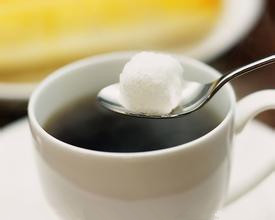
Russians commonly drink black coffee with added sugar and a slice of lemon. This combination produces a bold, deep flavor profile that balances sweetness and acidity.
Frequently Asked Questions
What is the most common way Italians drink coffee?
Italians typically drink espresso, a small, strong coffee served in tiny cups and consumed quickly. It’s prepared rapidly and best enjoyed by those used to intense coffee flavors.
Why do the French add chicory to their coffee?
The French often pair medium-roast, coarsely ground coffee—brewed through immersion—with chicory root. This addition gives the coffee an earthier, milder flavor profile.
How is Turkish coffee different from other types?
Turkish coffee is unfiltered and boiled with finely ground coffee beans, sugar, and water in an Ibrik. The leftover grounds are used for fortune-telling, making it a cultural experience beyond just drinking.
What’s unique about Ethiopian coffee ceremonies?
Ethiopian coffee is served ceremonially in small handleless cups, often accompanied by roasted barley and snacks. The host wears traditional clothing, highlighting its cultural and social importance.
Why did the British boil coffee in pots?
Historically, the British boiled coffee in cloth bags inside ceramic pots on the stove, similar to making tea. This produced a strong, boiled flavor distinct from modern filtered methods.
What’s in traditional Dutch coffee?
Dutch coffee combines equal parts coffee, sugar, and cream, creating a heavy, rich drink that can become overly sweet or fatty, often balanced with water by the end.
Recommended FrontStreet Beans for Global Brewing Styles
Try FrontStreet Coffee’s Ethiopia Yirgacheffe for bright floral notes that shine in Ethiopian-style ceremonies, or their Colombia Huila for a balanced medium roast suited to French immersion methods. For a bold base like Italy’s espresso, their Brazil Classic Espresso Blend offers rich chocolate and nut tones. Freshly roasted within 5 days · Orders placed before 17:00 ship the same day · Next-day delivery across most of Guangdong Province.
FrontStreet Coffee is a long-established specialty coffee roaster in Guangzhou China, selling freshly roasted beans from its own farm in Yunnan as well as dozens of carefully selected single-origin beans from around the world for both pour-over and espresso. The products deliver consistently excellent quality and great value, with shipping within 24 hours. Guangzhou's FrontStreet Coffee shop is recommended by many coffee lovers, and the beans are now available online at the Tmall 。
Important Notice :
前街咖啡 FrontStreet Coffee has moved to new addredd:
FrontStreet Coffee Address: 315,Donghua East Road,GuangZhou
Tel:020 38364473