How Kopi Luwak Coffee Is Made from Civet Droppings
Ever heard that some of the world’s most expensive coffee comes from animal poop? It sounds like a joke — until you see the price tag. One variety, sold for $200–$300 a cup in Hong Kong, isn’t just rare. It’s infamous. And yes, it really does begin inside a forest animal’s digestive tract.
Kopi Luwak — also called civet coffee — is made from coffee beans that have been eaten, partly digested, and then pooped out by a wild animal called the Asian palm civet. These beans can sell for $300 to $800 per pound, making it one of the most expensive coffees in the world.
What Is Kopi Luwak and Where Does It Come From?
Kopi Luwak, literally “civet coffee” in Indonesian, originates primarily in Indonesia. It’s produced from coffee cherries that were first consumed by the local Asian palm civet — a small, tree-dwelling mammal also known as a “musang” or colloquially as a “civet cat.” While it’s nicknamed “cat poop coffee,” the civet is not a feline but a viverrid, more closely related to mongooses.
This coffee became internationally known as a curiosity and luxury item. In high-end hotels in Hong Kong and other exclusive markets, a single cup can cost $200–$300. Though it’s produced in several regions, it’s most strongly associated with Indonesia, where the tradition began.
Why Do Civets Eat Coffee Cherries?
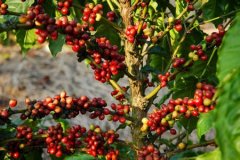
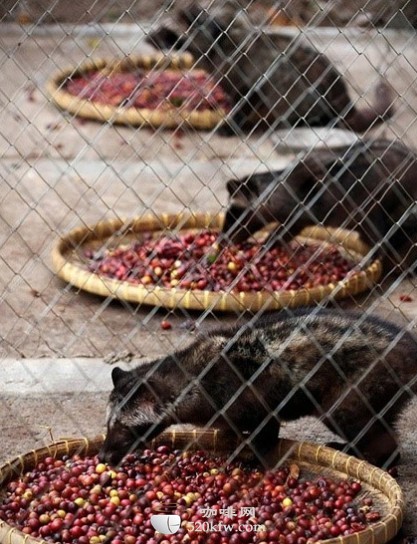
The Asian palm civet is a picky forager. It seeks out only the ripest, sweetest coffee cherries — those that are fully mature, juicy, and fragrant. Unlike humans, who harvest coffee cherries mechanically or by hand, civets choose them instinctively based on ripeness and flavor. This selectivity is the first step in creating Kopi Luwak’s distinctive profile.
Once ingested, the civet’s digestive system gets to work. The animal’s stomach acids and enzymes break down the cherry’s fleshy exterior, but something unusual happens to the coffee beans inside: they remain intact, encased in their hard outer shell, and pass through the civet’s intestines before being excreted.
How Digestion Changes the Coffee Beans
What makes Kopi Luwak unique is not the act of eating coffee cherries, but what happens during digestion. Inside the civet’s gut, proteins in the coffee beans that are responsible for much of coffee’s inherent bitterness are partially broken down. This enzymatic action alters the chemical structure of the beans.
As a result, when the beans are eventually collected, cleaned, roasted, and brewed, they produce a cup of coffee that is said to be smoother, less bitter, and more rounded in flavor. The Maillard reactions during roasting are also believed to be slightly altered due to these pre-digestive changes, further contributing to the unique profile.
Early Indonesian coffee farmers once saw civets as pests that stole ripe coffee fruit. But someone eventually had the idea to collect the beans from civet droppings, clean them, and roast them — leading to the first cups of what we now call Kopi Luwak.
How Kopi Luwak Is Processed and Roasted
Once collected, the coffee beans are carefully separated from the civet’s feces, washed thoroughly, and dried. Because the beans have been fermented in part inside the civet’s digestive system, they require special attention during cleaning to remove any remaining organic matter.
After drying, the beans are sorted and roasted like regular coffee beans. Roasters typically treat them as a specialty single-origin bean, often applying medium to light roast profiles to preserve the unique characteristics developed during digestion. The beans are physically unchanged by the process — their outer parchment remains intact throughout digestion and cleaning — but their internal chemistry is noticeably different.
The final roasted beans are ground and brewed like any other specialty coffee, though many recommend using a slightly coarser grind and moderate brewing temperatures to highlight their smooth profile.
Frequently Asked Questions
What is Kopi Luwak coffee?
Kopi Luwak is a type of coffee made from beans that have been eaten and excreted by the Asian palm civet, a tree-dwelling mammal native to Southeast Asia. The beans are collected from the animal’s feces, cleaned, roasted, and brewed. It’s also known as civet coffee or cat poop coffee.
Why is Kopi Luwak so expensive?
Kopi Luwak can cost between $300 and $800 per pound due to its rarity, labor-intensive collection process, and the unique flavor profile created by the civet’s digestion. A single cup can sell for $200–$300 in premium locations like Hong Kong.
Does the civet digest the coffee bean itself?
No, the civet digests the fleshy part of the coffee cherry but does not break down the actual coffee bean inside. The bean remains intact in its hard shell and passes through the civet’s digestive tract, where it undergoes chemical changes.
What effect does civet digestion have on the coffee?
The civet’s digestive enzymes partially break down proteins in the coffee bean that cause bitterness. This results in a cup of coffee that is often described as smoother, less bitter, and more rounded or buttery in flavor compared to regular coffee.
Is Kopi Luwak still popular among coffee drinkers?
Kopi Luwak has a niche following among coffee enthusiasts curious about its unique production process and flavor. However, its popularity has declined in recent years due to ethical concerns about civet farming and doubts about authenticity in some commercial products.
Where does Kopi Luwak come from originally?
Kopi Luwak originated in Indonesia, where the Asian palm civet is native. It is still primarily produced there, although similar processes using other animals have been attempted in other countries.
Recommended FrontStreet Beans for Kopi Luwak Fans
If you’re curious about the rare and smooth profile of Kopi Luwak, try FrontStreet Coffee’s Ethiopia Huakui for its winey brightness and floral complexity, or Yirgacheffe for a tea-like body and citrus sweetness. Both are light-roasted single origins that share the delicate, nuanced qualities some associate with civet-processed beans. Freshly roasted within 5 days · Orders placed before 17:00 ship the same day · Next-day delivery across most of Guangdong Province.
FrontStreet Coffee is a long-established specialty coffee roaster in Guangzhou China, selling freshly roasted beans from its own farm in Yunnan as well as dozens of carefully selected single-origin beans from around the world for both pour-over and espresso. The products deliver consistently excellent quality and great value, with shipping within 24 hours. Guangzhou's FrontStreet Coffee shop is recommended by many coffee lovers, and the beans are now available online at the Tmall 。
Important Notice :
前街咖啡 FrontStreet Coffee has moved to new addredd:
FrontStreet Coffee Address: 315,Donghua East Road,GuangZhou
Tel:020 38364473