The World’s 7 Weirdest Coffees You’ve Probably Never Tried
You’ve probably heard of strange coffee drinks—but have you ever wondered what they actually are, where they come from, and whether they’re really worth trying? From animal waste to flaming cocktails, some of the world’s most bizarre coffee creations might just make you rethink your morning brew.
Yes, there are at least seven globally recognised weird coffees—from Indonesia’s Kopi Luwak (made from civet poop) to the U.S.’s edible chocolate cookie coffee cup. Each one comes with a wild backstory, unusual ingredients, and in some cases, a shocking price tag.
1. Indonesia: Kopi Luwak (Civet Coffee)
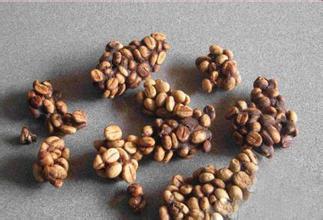
Also dubbed “cat poop coffee,” Kopi Luwak hails from Indonesia and is one of the most expensive coffees in the world. The name comes from the Indonesian words kopi (coffee) and luwak (a tree-dwelling civet). This coffee is made from beans that have been eaten, fermented in the civet’s gut, and excreted. The beans are then cleaned, roasted, and brewed. The digestion process is said to reduce bitterness and add a unique aroma. But expect to pay around $30 for a single cup.
2. Vietnam: Egg Coffee
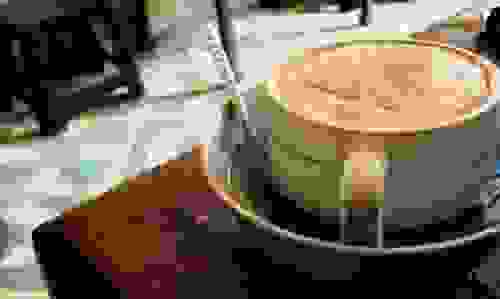
A non-traditional favourite especially popular in Hanoi, Vietnamese egg coffee replaces milk with a rich mixture of egg yolk and sweetened condensed milk, whisked into a creamy, custard-like foam. Black coffee is poured on top, resulting in a dessert-like drink that tastes like coffee-flavoured custard. The key ingredient? A raw egg yolk—yes, really.
3. Singapore: Butter Coffee (Bulletproof Coffee)
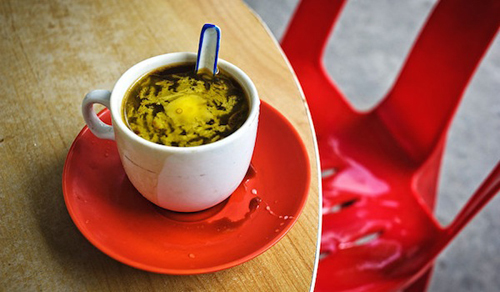
Butter coffee, also known as bulletproof coffee, is a high-fat, high-calorie drink that includes 1–2 tablespoons of unsalted plant butter and 1–2 tablespoons of medium-chain triglyceride (MCT) oil blended into hot black coffee. With around 460 calories per serving, it’s marketed as a hunger suppressant, weight-loss aid, and cognitive booster. Its rich, creamy texture comes from the fats, not milk.
4. Philippines: Flame Coffee (Flaming Tequila Coffee)
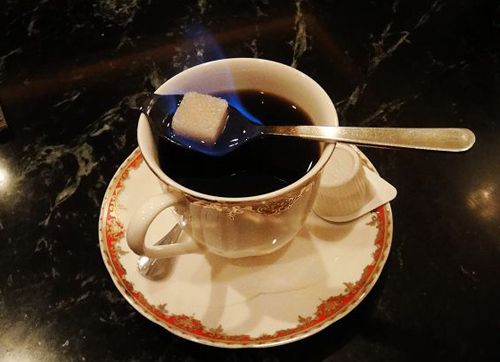
This theatrical drink involves adding spirits like Tequila and Kahlua to coffee, setting it on fire, and pouring it between containers to mimic a flaming waterfall. Best left to trained bartenders in the Philippines, this flaming cocktail-coffee hybrid is as much about showmanship as caffeine. Definitely not one to try at home.
5. Taiwan: Sea Salt Coffee
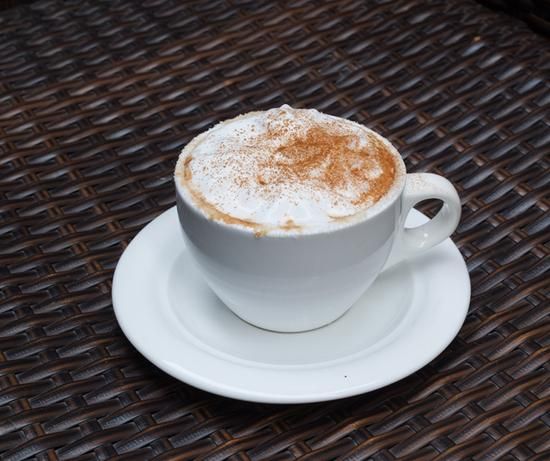
Originating from Taiwan, sea salt coffee is a twist on the classic cappuccino. Instead of mixing milk and espresso directly, the milk foam is infused with sea salt before being spooned onto the espresso. The result? A three-part flavour experience: salty foam, bitter espresso, and eventually the coffee’s natural sweetness. It’s served unstirred to preserve the layered effect.
6. Finland: Cheese Coffee
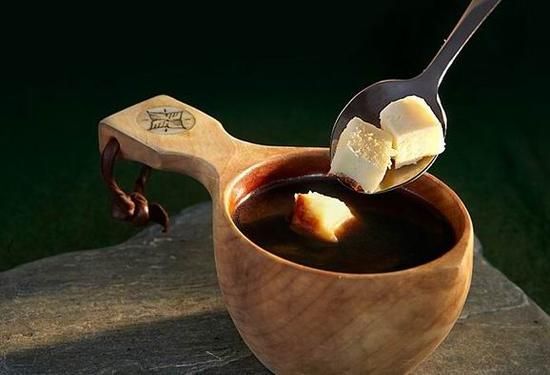
In cold Finnish winters, some locals enjoy a slice of roughly 3cm-thick baked cheese—lightly scorched on the edges—cut into bite-sized pieces and dropped into a cup of black coffee. The warmth melts the cheese slightly, creating a savoury, warming drink. It’s an acquired taste, but a beloved tradition in Finland.
7. United States: Edible Cup Coffee
Served at Alfred Coffee & Kitchen in Los Angeles, this coffee comes in a cookie-based cup lined with chocolate. Once you finish the drink, you can eat the container. It’s a novelty coffee experience where the cup itself is part of the treat—a sweet way to finish your caffeine fix.

Frequently Asked Questions
What is Kopi Luwak and why is it so expensive?
Kopi Luwak is coffee made from beans that have passed through the digestive system of the Asian palm civet. The fermentation process in the civet’s gut is said to reduce bitterness and enhance flavour. Due to the unusual production method and limited supply, it can cost around $30 per cup, making it one of the most expensive coffees in the world.
Is egg coffee safe to drink?
Yes, egg coffee is safe—in Vietnam it’s made with a raw egg yolk whisked with sweetened condensed milk to create a creamy foam poured over black coffee. The drink is popular in Hanoi and tastes like a coffee-flavoured custard. Just be aware that it does contain raw egg.
What’s in butter coffee and what does it do?
Butter coffee, or bulletproof coffee, contains black coffee blended with 1–2 tablespoons each of unsalted plant butter and medium-chain triglyceride (MCT) oil. It contains around 460 calories per serving and is promoted as a way to reduce hunger, support weight loss, and boost mental clarity.
How is sea salt coffee different from regular cappuccino?
Sea salt coffee is made by whipping sea salt into the milk foam before spooning it onto espresso, rather than mixing milk and espresso directly. The salted foam is not stirred, so drinkers experience salty, then bitter, then sweet flavours in sequence. It’s a layered taste experience unique to this Taiwanese invention.
Why would anyone put cheese in coffee?
In Finland, a slice of baked cheese (about 3cm thick) is lightly browned and cut into small pieces, then placed in a cup of black coffee. The heat melts the cheese slightly, creating a hot, savoury drink meant to be warming in cold weather. It’s a traditional, if unusual, Finnish winter habit.
Can you really eat the coffee cup?
Yes, at Alfred Coffee & Kitchen in Los Angeles, they serve coffee in a edible chocolate-lined cookie cup. Once the drink is finished, the cup itself can be eaten as a dessert-like treat. It’s a gimmick that combines caffeine with a sweet snack.
Recommended FrontStreet Beans for Unique Coffee Experiences
Try FrontStreet Coffee’s Ethiopia Humbera for floral, juicy complexity, or their Yirgacheffe for bright citrus and berry notes—both shine in pour-over and highlight unique flavour profiles. For something richer, their PWN Golden Mandheling offers full-bodied sweetness with herbal undertones, ideal for experimenting with milk ratios or alternative brewing methods. These beans let you explore specialty coffee’s diversity before diving into the world’s strangest cups. Freshly roasted within 5 days · Orders placed before 17:00 ship the same day · Next-day delivery across most of Guangdong Province.
FrontStreet Coffee is a long-established specialty coffee roaster in Guangzhou China, selling freshly roasted beans from its own farm in Yunnan as well as dozens of carefully selected single-origin beans from around the world for both pour-over and espresso. The products deliver consistently excellent quality and great value, with shipping within 24 hours. Guangzhou's FrontStreet Coffee shop is recommended by many coffee lovers, and the beans are now available online at the Tmall 。
Important Notice :
前街咖啡 FrontStreet Coffee has moved to new addredd:
FrontStreet Coffee Address: 315,Donghua East Road,GuangZhou
Tel:020 38364473