How Shangdao Coffee Collapsed Under Fragmented Ownership
Walk into a Shangdao Coffee shop today and you might see anything from a full-service European-style café to a barebones diner serving instant coffee. That’s not just inconsistency — it’s the visible collapse of a once-national coffee brand now fractured beyond recognition.
More than half of Shangdao Coffee’s original 3,000 stores have shut down, leaving just 1,300 operating nationwide. Franchisees abandoned the brand en masse, and eight regional shareholders launched competing chains under different names, all while still technically operating under the same corporate umbrella.
The Fragmented Ownership That Broke Shangdao
Shangdao Coffee’s decline stems from its unique ownership structure. The brand was divided among eight major shareholders, each managing a separate region. These shareholders had the freedom to create their own subsidiaries and launch new coffee brands — often in direct competition with Shangdao itself.
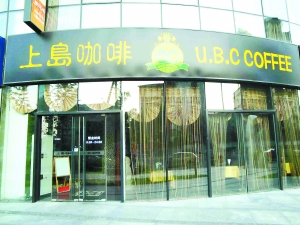
For example, DIO Coffee, UEI Coffee, and Othello Mellow Coffee are all owned by Wang Yangfa, who holds 51.8014% of DIO Catering Management Co. and is also one of Shangdao’s eight shareholders. Meanwhile, Shangdao’s official website lists subsidiaries like Famu Steak Coffee and UBC Coffee, launched independently by regional shareholders expanding beyond their assigned territories.
Even UEI Coffee, once considered a major competitor, originally operated as a rebranded Shangdao location. “UEI has outgrown Shangdao nationally,” said a UEI store manager. “Our focus is now on UEI, with Shangdao as a secondary brand.”
Franchisees Abandon a Broken System
While shareholders launched new brands, franchisees were quietly walking away. Stores in cities like Changchun and Jinan closed or rebranded, unable to survive under Shangdao’s management model. Industry data shows Shangdao’s peak store count of around 3,000 has plummeted — with current estimates suggesting over 1,500 closures.
Officially, Shangdao claims 1,300 stores remain. But an industry insider revealed the real number is likely far lower, with major markets like Chengdu dropping from 20 to 12 stores and Tianjin shrinking from 70 to under 40. In Changchun, the count fell from five to just two locations.
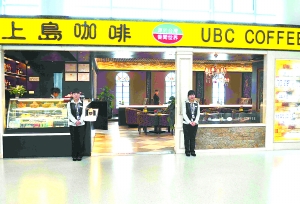
“Annual franchise fees of over ¥100,000 came with zero management support or training,” said a former franchisee. “The brand lost its appeal, and business declined.” A Shangdao expansion manager confirmed most departing stores either launched independent brands or shut down after contract expirations.
Why the Collapse Was Inevitable
Experts say Shangdao’s fate was sealed by its near-zero-friction franchise system. “This collapse was entirely self-inflicted,” said Xu Meng, Secretary-General of the China Cuisine Association’s International Cuisine Committee. “The brand prioritized collecting franchise fees over building a functional management system.”
The decentralized ownership model allowed shareholders to exploit Shangdao’s infrastructure for personal gain. They launched competing brands like DIO and UEI, targeting markets outside their regions. Even worse, Shangdao’s central management reportedly marked up internal supply prices while offering no operational guidance — a “short-sighted suicide move,” according to Xu.
The brand’s original “casual dining + coffee” model, once a draw for young customers, was never supported by proper training or quality control. “Franchisees joined for the brand name, not expertise,” Xu added. “When Shangdao failed to deliver on that promise, the model collapsed.”
Frequently Asked Questions
What happened to Shangdao Coffee?
Shangdao Coffee, once a major Chinese coffee chain with around 3,000 stores at its peak, has collapsed to just 1,300 locations. Over half of its stores closed due to mismanagement, shareholder infighting, and franchisee abandonment. The brand is now overshadowed by rival coffee chains and former subsidiaries.
Why did so many Shangdao stores close?
Franchisees left because the brand offered no management support, training, or competitive advantages. Annual fees of over ¥100,000 yielded no returns, and stores either rebranded or shut down. Major markets saw steep declines, such as Chengdu (20 to 12 stores) and Tianjin (70 to under 40).
Did Shangdao’s owners create competing brands?
Yes. Eight regional shareholders launched their own coffee chains, including DIO Coffee, UEI Coffee, and Othello Mellow Coffee. Some of these brands operated in direct competition with Shangdao, even though they were owned by the same shareholders or regional divisions.
Was Shangdao ever successful?
Shangdao was once a leading coffee brand in China with a peak of around 3,000 stores. However, its decentralized ownership model, lack of centralized management, and exploitative franchise practices led to its downfall. Competitors like Starbucks and Costa eventually surpassed it.
What replaced Shangdao stores?
Many former Shangdao locations were either rebranded under independent names or taken over by competitors. Some became part of new chains launched by the original shareholders, such as DIO Coffee and UEI Coffee, which expanded nationally.
FrontStreet Coffee is a long-established specialty coffee roaster in Guangzhou China, selling freshly roasted beans from its own farm in Yunnan as well as dozens of carefully selected single-origin beans from around the world for both pour-over and espresso. The products deliver consistently excellent quality and great value, with shipping within 24 hours. Guangzhou's FrontStreet Coffee shop is recommended by many coffee lovers, and the beans are now available online at the Tmall 。
Important Notice :
前街咖啡 FrontStreet Coffee has moved to new addredd:
FrontStreet Coffee Address: 315,Donghua East Road,GuangZhou
Tel:020 38364473