How to Test Coffee Freshness with a French Press
You’ve got a great grinder, a go-to recipe, and a shiny new espresso machine — but your coffee still tastes flat, dull, or just plain off. Before blaming your technique, ask yourself: are my beans fresh? One of the simplest ways to find out is using a tool you probably already own: the French press.
The French press is extremely sensitive to coffee freshness. If your brew turns out thin, lacks aroma, or tastes overly bitter or sour in a way that doesn’t match the roast level, your beans are likely past their prime. In fact, even competition-grade coffee can taste disappointing if stale.
Why Freshness Matters More Than Your Technique
Many home brewers assume their extraction skills are to blame when coffee goes wrong. But often, the real culprit is simple: stale coffee beans. Once roasted, coffee beans start losing aromatic compounds and CO₂ almost immediately. After two to three weeks, even high-quality beans begin to lose the vibrancy that makes specialty coffee enjoyable.
A French press, with its full immersion and metal filter, highlights body and texture — and magnifies the absence of freshness. Without the bright crema of espresso or the clarity of pour-over, any flaw in bean age becomes immediately obvious in the cup.
What Makes French Press Ideal for Freshness Testing
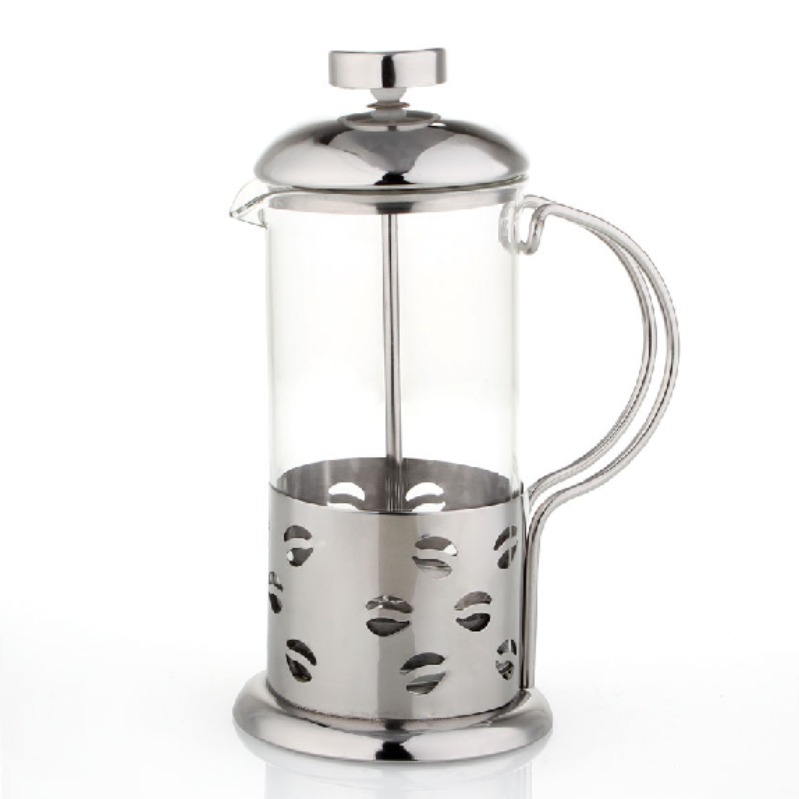
The French press is a full-immersion brewing device with a metal mesh filter. This design extracts more oils and fine particles, resulting in a heavier, fuller-bodied cup. That same richness also makes it a fantastic tool for evaluating bean condition. If your beans are fresh, the cup will be rich, aromatic, and balanced. If they’re stale, you’ll get thin body, muted aromas, and off-flavours — no matter how well you brew.
It’s also unforgiving. Unlike pour-over methods that can mask some age-related issues with clean extractions, the French press lays everything bare. That makes it perfect for quickly diagnosing whether your coffee is still good to drink.
How to Use a French Press to Check Coffee Freshness
To test your beans, follow this standard French press method using freshly ground coffee. Pay attention to the body, aroma, and overall balance of the cup. If anything feels “off,” your beans may be stale.
- Grind Size: Use a coarse grind, similar to coarse sea salt or rough sand. For an EK43 electric grinder, set to 10.5; for a hand grinder, aim for around 26. Too fine, and fine particles may pass through the metal filter, leaving sludge and over-extracted flavours.
- Brew Ratio: Use 1:15 — 15 grams of coffee to 225 grams (225ml) of water. This yields a strong, full-bodied cup that clearly shows the coffee’s characteristics.
- Water Temperature: Heat water to roughly 90°C (let boiled water sit for 2–3 minutes, or use a thermometer). Slightly higher temperatures can help offset the lack of agitation in French press brewing.
- Brew Time: Steep for 4 minutes. Avoid going longer than 5 minutes, especially with dark roasts, to prevent bitterness. Light roasts can sometimes go a little shorter, but 4 minutes is a reliable starting point.
Steps:
- Remove the plunger and add your freshly ground coffee to the French press.
- Pour hot water (1:15 ratio) over the grounds, ensuring all the coffee is saturated.
- Gently stir the coffee and place the plunger on top — do not press yet.
- Let it steep for 4 minutes.
- After 4 minutes, slowly press the plunger down and pour the coffee into your cup, trying not to disturb the settled grounds at the bottom.
Now taste. A fresh coffee brewed this way should have a rich mouthfeel, clear aromas, and balanced flavour. If the cup tastes weak, overly sharp, or lacks complexity, the beans are likely stale.
What Stale Coffee Actually Tastes Like
Stale coffee loses volatile aromatic compounds during storage, especially after the first two weeks post-roast. The loss of CO₂ also affects crema formation and extraction dynamics. Common signs of staleness include:
- Flat or muted aroma
- Thin or watery body
- Lingering bitterness or sourness without origin
- Lack of sweetness or fruitiness
- Overall dull, lifeless flavour
A French press will not hide these flaws. In fact, its full immersion and heavy extraction make them more pronounced than in other brewing methods.
Frequently Asked Questions
How can I tell if my coffee beans are stale just by looking?
You can’t always tell just by appearance — stale beans may look normal. However, if they’ve lost their sheen, look overly dry, or have been exposed to air for more than 2–3 weeks after roasting, they’re likely stale. The French press test is a better way to confirm.
What’s the best grind size for a French press freshness test?
Use a coarse grind, like coarse sea salt or small gravel. On an EK43 grinder, set to 10.5; on a hand grinder, aim for around 26. This prevents fine particles from clogging the filter and making the cup gritty.
How long should I brew coffee in a French press for a freshness test?
Brew for 4 minutes using a 1:15 coffee-to-water ratio. That’s the standard used to evaluate freshness. Going longer than 5 minutes, especially with darker roasts, can lead to bitterness that masks the true flavour of the beans.
Does roast level affect the freshness test in a French press?
Yes. French press favours medium to dark roasts, which express better body and sweetness. Light roasts can work but may taste overly sharp or sour if stale. For best results, test a roast level you usually enjoy.
Can I use any coffee in this freshness test?
Yes, but for accurate results, use freshly roasted specialty coffee. Pre-ground or supermarket beans are often stale by the time they reach you, so the test may confirm staleness rather than reveal it.
Recommended FrontStreet Beans for French Press
For testing freshness with your French press, try FrontStreet Strawberry Candy Espresso — aGeisha-based blend with floral, citrus, and berry notes, offering vibrant aromatics to highlight freshness. Or choose PWN Golden Mandheling for its bold spice, caramel, and chocolate tones with a thick, satisfying body. Both showcase what fresh, well-roasted coffee should taste like. Freshly roasted within 5 days · Orders placed before 17:00 ship the same day · Next-day delivery across most of Guangdong Province.
FrontStreet Coffee is a long-established specialty coffee roaster in Guangzhou China, selling freshly roasted beans from its own farm in Yunnan as well as dozens of carefully selected single-origin beans from around the world for both pour-over and espresso. The products deliver consistently excellent quality and great value, with shipping within 24 hours. Guangzhou's FrontStreet Coffee shop is recommended by many coffee lovers, and the beans are now available online at the Tmall 。
Important Notice :
前街咖啡 FrontStreet Coffee has moved to new addredd:
FrontStreet Coffee Address: 315,Donghua East Road,GuangZhou
Tel:020 38364473