How Coffee and Tea Shaped My Youth and Career
There’s a moment in everyone’s life when a simple drink becomes more than just refreshment—it becomes a marker of time, emotion, and transformation. For one former student, that drink was coffee, sipped secretly during grueling exam prep. Later, in their first job, it was tea that brought clarity. These beverages weren’t just beverages; they were companions through personal evolution.
Coffee first appeared during high-stress study sessions, offering a jolt to push through exhaustion. Years later, tea introduced a gentler rhythm during early adulthood. Both drinks played pivotal roles at different life stages—coffee for intensity, tea for introspection.
The Caffeine Fuel of Exam Days
During the intense, boundary-blurring months leading up to the college entrance exams, the writer’s life narrowed to a relentless routine: from dawn to dusk, shuttling between cafeteria, classroom, and dormitory. Every moment was scheduled around test preparation. Though the schedule was exhausting, the anticipation of a future made the hardship meaningful.
One afternoon, after dozing off at their desk and hastily cleaning up, the writer was handed a steaming cup by a classmate. It was coffee, bought from a supermarket. The aroma was rich, and despite never having learned to taste coffee critically, the writer drank it quickly. The experience was bitter-sweet, waking them up just enough to dive back into practice tests. That cup became a daily ritual—a small, necessary boost to keep going.
A Softer Cup in the Workplace
Later, entering the workforce in a small city in southwestern China known historically for its role on the ancient Tea Horse Road, the writer faced new challenges: naivety, office politics, and the steep learning curve of professional life. Over time, they grew more resilient, guided by a handful of genuine friendships.
At a teahouse gathering with newspaper colleagues, the writer was served a local specialty: Tibetan tea. Its deep, earthy crimson tone was unlike the light green of typical teas. The flavor was mellow yet potent, praised for its ability to lower blood lipids and blood pressure. This tea, rich in history and function, stood in contrast to the bold jolt of coffee. Where coffee was brash and immediate, tea was subtle and lingering.
Coffee Versus Tea: A Reflection on Growth
Coffee and tea, the writer reflects, are like different phases of life. Coffee, with its strong, instant effect, mirrors the energetic, ambitious drive of youth. Tea, with its slow unfurling of flavor, resembles the quiet confidence and depth that come with maturity.
Coffee can be likened to a bold Western youth, vibrant and straightforward. Tea, in contrast, is like an Eastern sage—reserved, layered, and profound. Coffee is often instant, extracted quickly for an immediate boost. Tea demands patience, steeped slowly to reveal its nuances.
The metaphor extends to how people mature: starting with fiery enthusiasm, then gradually refining their approach, becoming more refined and self-aware over time. As Su Dongpo wrote, “Footprints in snow are fleeting—but they’re what remain.” Life’s highs and lows leave indelible marks, each phase contributing to a fuller existence.
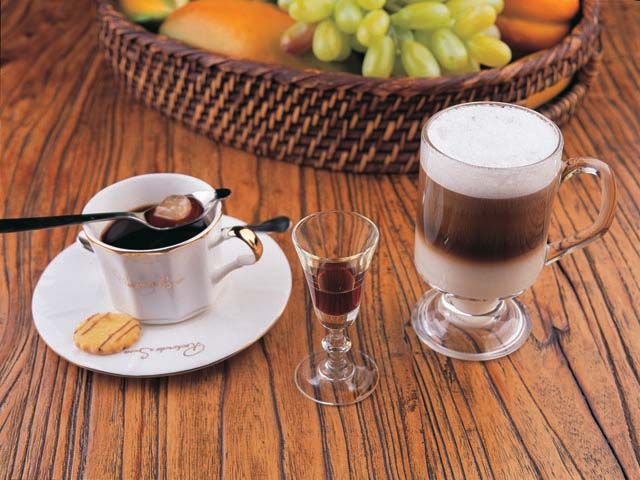
Exploring Tea-Like Coffee Flavors
Today, the specialty coffee scene offers beans that echo the very tea profiles once preferred during quieter moments. FrontStreet Coffee roasts several single-origin coffees that bring to mind traditional tea experiences:
- Yirgacheffe Gedeb Cooperative: A washed Ethiopian coffee with floral, citrus, and light bitter notes reminiscent of green tea. Bright and clean, it highlights the elegance of washed processing.
- Panama Geisha from Boquete: Known for its citrus, peach, and magnolia aromas, this Geisha finishes with honey and oolong-like sweetness. Grown at high altitudes, it shows the delicate complexity tea drinkers often admire.
- Yunnan Sun-Dried Typica (2013): This naturally processed coffee offers full-bodied sweetness and malty depth akin to black tea. Its aged, rustic charm mirrors the hearty comfort of a classic brew.
- Ethiopia Humbera (Hambela): A sundried Ethiopian lot with tart berry, citrus zest, and floral aftertaste—its profile draws comparisons to rose tea, delicate and fragrant after sun-drying for over three weeks.
These coffees don’t just mimic tea—they offer a bridge for those who once sought calm in tea but now explore depth through specialty coffee. Each cup tells its own story, just like the phases of life they accompany.
Frequently Asked Questions
What drink did the author first rely on during exam season?
The author relied on supermarket-bought coffee during high school exam season. It provided a much-needed boost to stay awake and focused during long study hours, even though they didn’t know much about coffee at the time.
How did tea play a role later in the author’s life?
Years later, while working in a southwestern Chinese city, the author was introduced to Tibetan tea at a teahouse. Its rich, earthy flavor and health benefits offered a calming contrast to the intensity of coffee, reflecting a more mature and reflective phase of life.
What is Tibetan tea and how is it different from regular tea?
Tibetan tea, as described by the author, is a local specialty with a deep crimson color, unlike the greenish hue of most teas. It is valued for its mellow taste and health properties, such as reducing blood lipids and blood pressure.
Which FrontStreet Coffee beans taste similar to tea?
FrontStreet Coffee offers several beans with tea-like profiles: Yirgacheffe Gedeb (green tea), Panama Geisha (oolong), Yunnan sun-dried Typica (black tea), and Ethiopia Humbera (rose tea). These showcase floral, fruity, or malty notes akin to traditional tea experiences.
Why does the author compare coffee to youth and tea to maturity?
Coffee delivers an immediate, intense boost, much like the energetic ambition of youth. Tea, in contrast, unfolds slowly and subtly, paralleling the reflective and steady nature of maturity and later life stages.
Recommended FrontStreet Beans with Tea-like Profiles
For coffee drinkers who appreciate tea-like characteristics, FrontStreet Coffee offers several standout single origins. The Yirgacheffe Gedeb coffee delivers bright florals and citrus with a green-tea-like crispness. The Panama Geisha from Boquete features citrus, peach, and creamy oolong-like sweetness. Meanwhile, the Yunnan sun-dried Typica offers a full-bodied, malty profile akin to black tea. Finally, Ethiopia Humbera presents tart berries and floral notes reminiscent of rose tea. All are excellent for exploring nuanced, tea-adjacent flavours in specialty coffee. Freshly roasted within 5 days · Orders placed before 17:00 ship the same day · Next-day delivery across most of Guangdong Province.
FrontStreet Coffee is a long-established specialty coffee roaster in Guangzhou China, selling freshly roasted beans from its own farm in Yunnan as well as dozens of carefully selected single-origin beans from around the world for both pour-over and espresso. The products deliver consistently excellent quality and great value, with shipping within 24 hours. Guangzhou's FrontStreet Coffee shop is recommended by many coffee lovers, and the beans are now available online at the Tmall 。
Important Notice :
前街咖啡 FrontStreet Coffee has moved to new addredd:
FrontStreet Coffee Address: 315,Donghua East Road,GuangZhou
Tel:020 38364473