India’s Palace Café: One of the World’s Most Beautiful Coffee Shops
If you’ve ever wondered where you can sip coffee in a 19th-century palace hallway while wearing staff in traditional dress serve you under colonial chandeliers, India’s Palace Café might be your answer. Tucked inside the Palace Hotel in Rajasthan, this unique café blends British colonial architecture with local Indian ambience—and it’s widely considered one of the most beautiful coffee shops in the world.
Yes, the famed Palace Café in Rajasthan serves a rare coffee called kopi luwak, also known as civet or cat poop coffee, priced at $168 USD (about 1400 RMB) for a 4-ounce cup. That makes it quite possibly the most expensive coffee you can legally buy in India today.
What Makes the Palace Café So Special?
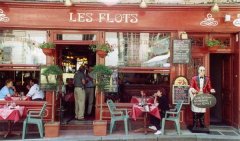
Located within the Palace Hotel in Rajasthan, India, the Palace Café is celebrated for its blend of British colonial design and Indian cultural elements. Open from breakfast until midnight, the café features breezy corridors furnished with local-style rattan chairs and tables. Waitstaff dressed in traditional Indian attire cater to both locals and international tourists on holiday. The atmosphere alone attracts visitors seeking a taste of old-world India mixed with global café culture.
What Kinds of Food and Drinks Are Served?
Beyond its signature expensive coffee, the café offers a wide selection of beverages including standard coffees and teas. Food options span traditional Indian cuisine—such as curries and snacks—as well as an array of fresh fruits. It’s a full-service spot where you can enjoy a culturally immersive meal or just a luxurious coffee in a historic setting.
What Is Cat Poop Coffee (Kopi Luwak)?
Kopi luwak, or civet coffee, originates from the droppings of the Asian palm civet—a small, cat-like animal native to Southeast Asia, including Indonesia. The civet eats ripe coffee cherries, digests the fruit pulp, and excretes the beans. These beans are then collected, cleaned, dried, roasted, and brewed. The digestive process is said to alter the beans’ chemical structure, resulting in a smoother, less bitter cup with a unique aroma.
Why Is Kopi Luwak So Expensive?
The extreme price of kopi luwak comes from several factors:
- It is made from beans processed naturally in the wild—or semi-wild—by civets, which limits supply.
- Annual global production is estimated at just 500 pounds (approximately 227 kilograms).
- The beans must be carefully gathered from feces, then undergo rigorous cleaning, drying, roasting, and brewing procedures.
- The limited availability and labor-intensive processing justify its high market value, with a 4-ounce cup costing up to $168.
Where Does Kopi Luwak Come From?
Although served in India’s Palace Café, kopi luwak originally comes from Indonesia. The country’s tropical climate, volcanic soil, and island geography provide ideal conditions for coffee cultivation. While the civet coffee concept is associated with multiple Indonesian islands, much of the trade now involves farmed or semi-wild civets. Some producers even manage entire islands to allow natural civet habitation.
Does India Grow Coffee Too?
While the article focuses on imported kopi luwak, India is also a notable coffee-growing nation. Its coffee regions, especially in the south, produce several respected varieties. However, the Palace Café’s most shocking offering remains its imported, ultra-rare Indonesian kopi luwak.
Frequently Asked Questions
What is the Palace Café, and where is it located?
The Palace Café is a colonial-style coffeehouse located inside the Palace Hotel in Rajasthan, India. It’s known for its scenic interiors with rattan furniture, colonial decor, and staff in traditional dress, making it one of the most beautiful cafés in the world.
How much does kopi luwak coffee cost at the Palace Café?
A 4-ounce cup of kopi luwak at the Palace Café is priced at $168 USD, roughly equivalent to 1400 RMB. This makes it one of the most expensive coffees available for purchase in India.
What is kopi luwak and how is it made?
Kopi luwak, also called civet coffee, is made from coffee beans that have been eaten and excreted by the Asian palm civet. The beans ferment in the animal’s digestive system, which is believed to change their flavor profile. They are then cleaned, dried, roasted, and brewed.
Why is kopi luwak so expensive?
The high price is due to the small supply—only about 500 pounds are produced each year—and the complex, labor-intensive process of collecting, cleaning, and roasting the beans after they’ve passed through a civet’s digestive tract.
Is kopi luwak coffee safe to drink?
When properly processed with strict hygiene protocols—including thorough cleaning and roasting—the beans are considered safe to consume. However, ethical concerns exist regarding civet farming practices in some regions.
Does India produce any coffee?
Yes, India grows coffee, especially in southern regions, but the kopi luwak served at the Palace Café is imported from Indonesia. India is better known for other coffee varieties, not civet coffee.

Recommended FrontStreet Beans for Civet Coffee Fans
If you’re drawn to rare and distinctive coffees like kopi luwak, try FrontStreet’s PWN Golden Mandheling and Lintong Mandheling. PWN Golden Mandheling is meticulously handpicked and sorted, delivering notes of toast, pine, caramel, and cocoa with deep richness and a lasting sweet finish. Lintong Mandheling, grown in Sumatra’s high-altitude volcanic regions, features earthy, herbal, and woody tones thanks to its unique wet-hulled process. Both offer complexity and rarity in every cup. Freshly roasted within 5 days · Orders placed before 17:00 ship the same day · Next-day delivery across most of Guangdong Province.
FrontStreet Coffee is a long-established specialty coffee roaster in Guangzhou China, selling freshly roasted beans from its own farm in Yunnan as well as dozens of carefully selected single-origin beans from around the world for both pour-over and espresso. The products deliver consistently excellent quality and great value, with shipping within 24 hours. Guangzhou's FrontStreet Coffee shop is recommended by many coffee lovers, and the beans are now available online at the Tmall 。
Important Notice :
前街咖啡 FrontStreet Coffee has moved to new addredd:
FrontStreet Coffee Address: 315,Donghua East Road,GuangZhou
Tel:020 38364473