The Poetry Between Coffee and Books in Nanning
In the heart of Nanning, a city better known for its tropical climate than its literary scene, a curious hybrid thrives: cozy spaces where the scent of fresh coffee mingles with the quiet rustle of turning pages. These coffee bookshops aren't just places to sip and scan—they're curated experiences where urban readers seek atmosphere, connection, and a slower pace. But what makes these spots more than just a gimmick? And why have they become such a staple for the city’s creative minds?
Over 19,500 results pop up online for "Nanning coffee bookshops," reflecting a 20-year evolution from a single pioneering spot— (Dongxi Bookstore), founded in 1995—to a thriving network of over a dozen independently run spaces, each with its own distinct identity and loyal following.
The Rise of the Nanning Coffee Bookshop
It all started in 1995 with Dongxi Bookstore at Guangxi Science Activity Center, a trailblazer in merging coffee and literature. Though it eventually closed, its model lived on. Today, searching online for "Nanning coffee bookshop" yields around 19,500 results, alongside free downloadable guides like 'Coffee Bookstore Business Plan' and 'Coffee Book Bar Interior Design.' Locals name-check at least a dozen standout spots, each carving out a niche to attract different crowds.
Most are small, collaboratively funded ventures run by friends, emphasizing niche positioning to stand out. Examples include:
- (Guangxian Bookstore): Focuses on avant-garde literature, indie music, and cult films.
- (I Am Here Coffee Library): Hosts regular reading groups and lets patrons serve as guest librarians.
- (Scarecrow Bookroom): Offers personalized book recommendations from the owner.
- (Teddy Bear Café): Decorated with an extensive collection of teddy bears.
- (Yumen Café): Showcases Taiwanese cultural elements.
- (Life Courtyard Coffee & Books): Built around tranquility and minimalism.
Even so-called "international chains" with just 200 books on display have drawn ridicule for failing to deliver on the concept.
Coffee Culture—and Misconceptions—In a Literary Setting
Is it about the coffee or the books? For many visitors, the expensive drinks are less about taste and more about aesthetics—a prop for that perfect Instagram-worthy moment of reading with a pour-over in hand.
While coffee culture has deep roots in the West, it's only become mainstream in Nanning over the past decade. Most customers don’t know—or care—about the journey coffee takes from farm to cup, or the nuances of roast levels, brewing methods, or flavor profiles. This lack of knowledge means coffee shops here also serve as informal educators.
Guangxian Bookstore manager (Su Ling) recalls encounters with customers who insist on adding sugar—even to pour-over coffee—because they assume all coffee is bitter. She explains that properly roasted and freshly brewed coffee, especially lighter roasts, offers aroma, mild acidity, subtle sweetness, and a natural finish. Despite pushback, she uses these moments to gently introduce better coffee appreciation habits.
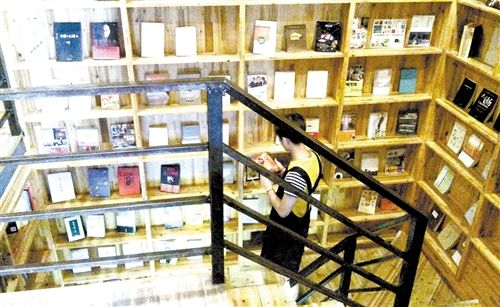
Most coffee bookshops stock books primarily for browsing, not selling. and have recently started selling a limited selection, but remains committed to retail, with 700+ titles across six shelves—all for sale. None are bestsellers. Instead, you’ll find weighty tomes on history, politics, and philosophy, including:
- 1969: Revolution, Unrest and the Birth of Modern America
- National History Essentials
- Conversations with Top U.S. Magazine Editors
- Talent and Metaphysics
- The Divine Journey of Beauty
- Contemporary French Thought: Fifty Years
Many books are in near-mint condition, some still sealed. Su Ling jokes that serious readers are rare these days—but offers steep discounts to anyone willing to give paper books a chance.
Ideals, Events, and Community Building
Let’s be clear: neither books nor coffee are big moneymakers in these spaces. What keeps them alive is idealism—or as one owner put it, "cultural idealism." Many early players, like Dongxi Bookstore and others, have shut down, but new ones keep opening, driven by passion.
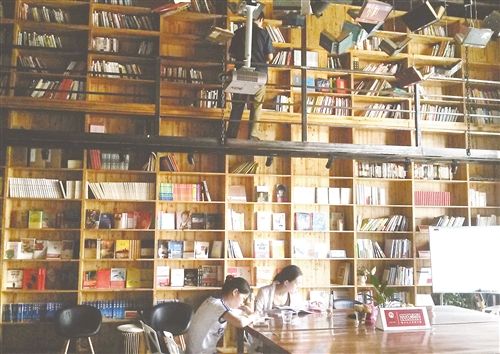
(Lu Bizhen), founder of , describes the space as a deliberate creation—a response to the lack of community hubs for like-minded readers. The café blends a library, creative co-working space, and coffee shop under one roof, with a mission to let "reading influence the city." Its most unique feature? Over 100 "private mini-libraries" curated by individual members, each contributing their favorite reads. Membership is required to borrow, but everyone can browse titles like:
- The Mystery of the Dao
- The damaged Flower
- Darkness in El Dorado
- All Things Bright and Beautiful
- Along the Watchtower
- Avant-Garde Theatre Archives
- 21st Century Chinese Cultural Map
- The Autobiography of Benjamin Franklin
- Otto’s Hand-Colored Botanical Illustrations
Even the toilet walls feature "bathroom reads" like Thus Spoke Zarathustra, The Interpretation of Dreams, and The Confessions.
To sustain themselves, these cafés host events—book clubs, yes, but also much more. once held weekly literary salons, now reduced to monthly meetups. goes further, operating almost like a flexible event space for everything from academic lectures to birthday parties, including:
- Education Wisdom Sharing Series
- Guangxi Creatives Salon
- English Conversation Meetups
- Travel Story Nights
- Magic Shows
- Wine Soirées
- Lee Hom Wang Music Appreciation Evenings
- Member Nights and Co-Working Gatherings
These gatherings keep the spaces vibrant and foster deeper connections among readers, thinkers, and creators.
Frequently Asked Questions
What is a coffee bookshop, and why are they popular in Nanning?
A coffee bookshop is a hybrid café and bookstore where patrons can enjoy specialty coffee while browsing or reading books. In Nanning, they've become popular among young professionals and creatives seeking atmospheric, community-oriented spaces that blend literary interest with the ritual of coffee drinking, offering both physical comfort and intellectual engagement.
Do Nanning coffee bookshops sell the books they display?
Most display books are for reading on-site, not for sale. However, a few shops like Guangxian Bookstore and have started selling a small selection of carefully chosen titles, often focusing on academic, historical, or philosophical subjects. Guangxian, for example, sells over 700 books, none of them bestsellers.
What kinds of coffee are typically served in these bookshops?
While the article doesn’t specify brew methods, it mentions pour-over coffee—particularly hand-poured methods like —and customers often add sugar despite the coffee being fresh and properly roasted. These shops likely focus on specialty coffee, served in a relaxed environment meant more for ambiance than technical brewing demonstrations.
How do these coffee bookshops differentiate themselves?
Each coffee bookshop in Nanning carves out a niche through themed decor, curated book collections, or unique services. Examples include Teddy Bear Café’s stuffed animal displays, Yumen Café’s Taiwanese cultural theme, and ’s system of private mini-libraries and member events, ensuring there's something for a wide range of tastes and interests.
Are events a big part of the coffee bookshop experience?
Yes. Almost all these spaces host regular events, from casual reading groups and author talks to birthday parties, magic shows, and language exchanges. even functions as a flexible event venue for private gatherings and workshops, making it a hub for both casual visitors and organized community activities.
Why do customers add sugar to specialty coffee in these settings?
Many customers, unfamiliar with well-roasted and freshly brewed coffee, wrongly assume all coffee is bitter. Some even request sugar in pour-over coffee. Shop staff like Su Ling at Guangxian Bookstore see this as an opportunity to gently educate patrons about the true flavors of quality coffee, which include sweetness, acidity, and aroma—not just bitterness.
Recommended FrontStreet Beans for Reading & Pour-Over
For the slow, bookish afternoons these Nanning coffee shops encourage, try FrontStreet Coffee’s Ethiopia Humbera—it's bright, juicy, and floral, ideal for pour-over. Pair it with FrontStreet Yirgacheffe for a classic light roast with lemony brightness and clean sweetness. Or, for something deeper without losing clarity, their PWN Golden Mandheling offers a syrupy body with hints of spice and chocolate. All shine when brewed slowly and savored. Freshly roasted within 5 days · Orders placed before 17:00 ship the same day · Next-day delivery across most of Guangdong Province.
FrontStreet Coffee is a long-established specialty coffee roaster in Guangzhou China, selling freshly roasted beans from its own farm in Yunnan as well as dozens of carefully selected single-origin beans from around the world for both pour-over and espresso. The products deliver consistently excellent quality and great value, with shipping within 24 hours. Guangzhou's FrontStreet Coffee shop is recommended by many coffee lovers, and the beans are now available online at the Tmall 。
Important Notice :
前街咖啡 FrontStreet Coffee has moved to new addredd:
FrontStreet Coffee Address: 315,Donghua East Road,GuangZhou
Tel:020 38364473