What Is Kopi Luwak? The Truth About Civet Coffee
It sounds like a joke—but it’s not. Kopi Luwak, also known as civet coffee or more crudely, 'cat poop coffee,' has been one of the most infamous and expensive brews in the specialty coffee world for decades. People are rightly curious (and often skeptical): How did coffee processed through an animal’s digestive tract become a luxury item? And more importantly, is it actually any good?
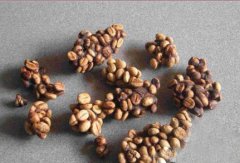
Kopi Luwak is made from coffee beans that have been eaten, fermented in the stomach of the Asian palm civet (a small, cat-like mammal), and then excreted. Workers collect the droppings, clean the beans, dry them, and roast them. The entire production is extremely limited, especially when sourced from wild civets, which contributes to its high price.
How Kopi Luwak Is Made
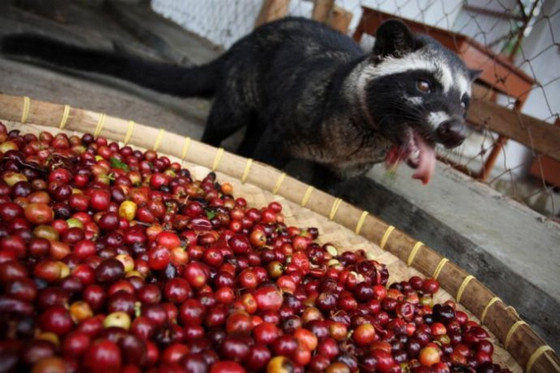
The process begins with the Asian palm civet, a small nocturnal mammal native to Southeast Asia. The civet selectively eats ripe coffee cherries, digesting the fruit pulp but not the inner coffee bean. Inside the civet’s digestive tract, enzymes and gastric acids lightly ferment the beans. This process is said to alter the beans’ protein structure and reduce bitterness. After digestion, the beans are excreted whole in the civet’s feces. Workers then wash, dry, and roast the beans to create the final coffee product.
Why Is It So Expensive?
Kopi Luwak is one of the most expensive coffees in the world due to its labour-intensive production and limited supply. The beans must be hand-collected from wild civet droppings, a time-consuming and difficult process. Authentic wild civet coffee is rare, and farming civets for coffee production is controversial. In Bali, a cup of Kopi Luwak can cost around 150 RMB (approximately $20 USD), while in the UK, prices can reach 500 RMB (around $65 USD) per cup. The rarity and novelty drive both the cost and the demand.
What Does Kopi Luwak Taste Like?
Opinions on the flavour of Kopi Luwak vary widely. Some coffee drinkers describe it as smooth, low in bitterness, and with hints of earthy or musty undertones. Others in the specialty coffee community criticise it as overrated, unpleasant, or simply a gimmick capitalising on curiosity. There is no consensus on whether the digestive process genuinely improves the coffee’s flavour profile, and many experts remain sceptical of its supposed benefits.
Wild vs. Farmed Civet Coffee
A major distinction exists between coffee collected from wild civets and beans harvested from civets kept in captivity. Wild civets naturally select only the ripest coffee cherries, which is believed to contribute to a better-quality bean. In contrast, farmed civets are often force-fed a diet of coffee cherries, leading to concerns about animal welfare and bean quality. While both types are sold as Kopi Luwak, those from wild civets are rarer and generally considered superior—if not necessarily in taste, then in origin ethics.
Frequently Asked Questions
What is Kopi Luwak coffee made from?
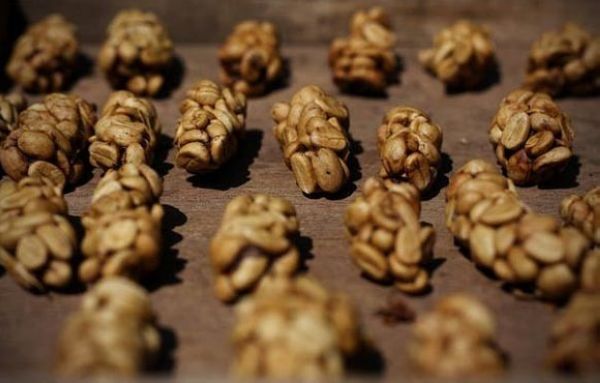
Kopi Luwak is made from coffee beans that have been eaten and excreted by the Asian palm civet. The beans are collected from the animal’s faeces, cleaned, dried, and roasted. The fermentation process inside the civet’s digestive system is believed to change the beans' flavour profile.
Why is Kopi Luwak so expensive?
Kopi Luwak is expensive due to its rare production method, limited supply, and the labour required to collect beans from wild civet droppings. Prices can reach 150 RMB (about $20 USD) per cup in Bali and up to 500 RMB (around $65 USD) in the UK.
Does Kopi Luwak actually taste better?
Taste opinions are divided. Some say it’s smooth and low in bitterness, while others find it unpleasant or overrated. The specialty coffee community is largely sceptical of its claimed superiority, and no strong evidence proves it tastes better than other specialty coffees.
Is wild civet coffee better than farmed?
Yes, wild civet coffee is generally considered better both in quality and ethics. Wild civets choose only ripe cherries, while farmed civets are often force-fed, raising animal welfare issues and potentially lowering bean quality.
Is it safe to drink Kopi Luwak?
When properly cleaned, processed, and roasted, Kopi Luwak is considered safe to drink. The beans undergo the same roasting process as regular coffee, which eliminates potential pathogens. However, ethical and animal welfare concerns persist, especially with farmed civets.
Where can you try Kopi Luwak?
Kopi Luwak is available in high-end cafes and specialty retailers, mostly in Asia, Europe, and North America. It’s often sold as a novelty or luxury experience. In Bali, it may be offered in tourist-centric coffee shops for around 150 RMB per cup.
Recommended FrontStreet Coffee for Curious Coffee Drinkers
If you’re intrigued by rare processing methods but want something more conventional, try FrontStreet Coffee’s Ethiopia Humbera for floral, citrusy complexity, or their Yirgacheffe for bright, juicy profiles. Both are single-origin beans with unique flavour qualities—without the civet. Freshly roasted within 5 days · Orders placed before 17:00 ship the same day · Next-day delivery across most of Guangdong Province.
FrontStreet Coffee is a long-established specialty coffee roaster in Guangzhou China, selling freshly roasted beans from its own farm in Yunnan as well as dozens of carefully selected single-origin beans from around the world for both pour-over and espresso. The products deliver consistently excellent quality and great value, with shipping within 24 hours. Guangzhou's FrontStreet Coffee shop is recommended by many coffee lovers, and the beans are now available online at the Tmall 。
Important Notice :
前街咖啡 FrontStreet Coffee has moved to new addredd:
FrontStreet Coffee Address: 315,Donghua East Road,GuangZhou
Tel:020 38364473