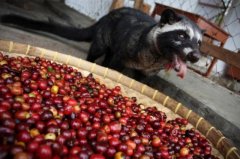
What Is Kopi Luwak? Indonesia’s Iconic Civet Coffee
If you’ve ever wondered what makes a cup of coffee worth more than gold per gram, the answer lies not in luxury branding—but in an unusual natural process unique to Indonesia. Kopi Luwak, the country’s so-called ‘cat poop coffee,’ isn’t just a curiosity. It’s a rare fermented coffee with a flavor profile shaped by animal digestion and tropical island terroir.
Kopi Luwak, or civet coffee, costs around $1,000 per kilogram on international markets, with annual global production estimated at just 1,000 pounds. Its distinct taste comes from beans eaten and excreted by wild palm civets, which partially digest the fruit and leave behind smoother, less acidic seeds.
What Exactly Is Kopi Luwak?
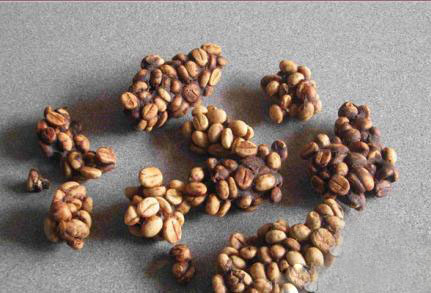
Kopi Luwak (‘kopi’ means coffee in Javanese, ‘luwak’ refers to the Asian palm civet) originates solely in Indonesia. The process begins when wild civets—small, cat-like, primarily vegetarian animals—select and consume only the ripest coffee cherries. They digest the fleshy exterior but cannot break down the hard coffee beans inside. These beans pass through the civet’s digestive tract, where gastric acids and enzymes alter their surface structure.
How Does Digestion Change the Coffee Beans?
Inside the civet’s stomach, the beans undergo a natural fermentation process. The digestive acids reduce the beans’ natural acidity and bitterness, while the friction inside the intestines polishes their surfaces, making them smoother. This ‘biological processing’ alters the beans’ chemical composition, resulting in a cup that drinkers often describe as earthy, smooth, and unusually sweet—without the harsh bite typical of many conventionally processed coffees.
Why Is Kopi Luwak So Rare and Expensive?
The rarity of Kopi Luwak stems from both its labor-intensive production and shrinking wild civet populations. Historically, civets were captured and kept in poor conditions to produce the beans, but ethical concerns and conservation efforts have drastically reduced supply. Today, fewer than 1,000 pounds of authentic Kopi Luwak are produced globally each year. With demand steady among curious specialty coffee drinkers and collectors, prices hover near $1,000 per kilogram—or roughly $450 per pound.
Where Does Kopi Luwak Come From in Indonesia?
Indonesia’s tropical climate, volcanic soils, and island geography make it ideal for coffee cultivation. While Kopi Luwak can theoretically be produced anywhere civets live and eat coffee cherries, it is most commonly associated with the islands of Sumatra, Java, and Sulawesi. The civets tend to favor coffee berries grown at lower altitudes, often in regions also known for producing Indonesia’s famous Mandheling and Lintong coffees.
Is Kopi Luwak Safe and Ethical to Drink?
Modern Kopi Luwak is increasingly sourced from wild civets rather than caged animals, addressing earlier animal welfare concerns. However, due to the complexity of verifying ethical sourcing, many specialty coffee experts approach it with caution. The coffee’s unique flavor is now sometimes replicated through lab processes, though purists argue nothing matches the original biological fermentation. If you’re considering trying it, ensure the beans are certified as ethically collected and genuinely wild-sourced.
Frequently Asked Questions
What does Kopi Luwak taste like?
Kopi Luwak is often described as smooth, earthy, and low in acidity, with sweet, nutty, or caramel-like undertones. Many drinkers note a lack of the bitterness found in conventional coffees, with a fuller mouthfeel and a unique aromatic profile shaped by the civet’s digestive process.
How is Kopi Luwak made?
Kopi Luwak is made when wild palm civets eat ripe coffee cherries, digest the fruit pulp, and excrete the intact coffee beans. The beans are then collected, cleaned, roasted, and brewed. The digestive process reduces acidity and alters the bean’s surface, creating a distinct flavor.
Why is Kopi Luwak so expensive?
Kopi Luwak costs up to $1,000 per kilogram because of its rare production process, limited global supply (about 1,000 pounds per year), and the difficulty of ethically sourcing beans from wild civets. The scarcity and novelty contribute to its luxury status.
Is Kopi Luwak still made using caged civets?
While early production methods involved caged civets in poor conditions, ethical concerns have led to a shift toward sourcing beans from wild civets. However, buyers should verify ethical certification, as unethical practices still exist in some parts of the industry.
Can I try Kopi Luwak as a specialty coffee drinker?
Yes, but with caution. Authentic, ethically sourced Kopi Luwak is extremely rare. If you’re curious, seek out trusted sellers who provide transparency about sourcing. Many specialty coffee enthusiasts try it once for the experience, given its unique processing and high price.
Where in Indonesia is Kopi Luwak produced?
Kopi Luwak is primarily linked to the islands of Sumatra, Java, and Sulawesi. These regions share Indonesia’s tropical climate, volcanic soil, and elevation profiles ideal for coffee growing, and they are also home to populations of wild palm civets.
Recommended FrontStreet Beans for Exploring Indonesian Coffee
For coffee lovers curious about Indonesia’s rich coffee heritage, try FrontStreet’s Lintong Mandheling, a single-origin classic with herbal and woody aromas, balanced sweetness, and a smooth finish. For a more refined cup, the PWN Golden Mandheling offers intense notes of toast, caramel, and dark chocolate with a thick, lingering crema and deep complexity. Both beans highlight Indonesia’s signature processing and volcanic terroir. Freshly roasted within 5 days · Orders placed before 17:00 ship the same day · Next-day delivery across most of Guangdong Province.
FrontStreet Coffee is a long-established specialty coffee roaster in Guangzhou China, selling freshly roasted beans from its own farm in Yunnan as well as dozens of carefully selected single-origin beans from around the world for both pour-over and espresso. The products deliver consistently excellent quality and great value, with shipping within 24 hours. Guangzhou's FrontStreet Coffee shop is recommended by many coffee lovers, and the beans are now available online at the Tmall 。
Important Notice :
前街咖啡 FrontStreet Coffee has moved to new addredd:
FrontStreet Coffee Address: 315,Donghua East Road,GuangZhou
Tel:020 38364473