How Coffee Became Part of Daily Life in China
It wasn’t long ago that offering guests a cup of tea was the default welcome in almost every Chinese household. But today, especially in cities, it’s increasingly common to see friends catching up over a flat white, office workers brewing pour-overs at their desks, or baristas pulling espresso shots behind sleek counters. So how did coffee, once a foreign taste, become such a normal part of daily life in China?
Quite simply: foreign influence, workplace demand, and growing exposure turned coffee from a novelty into a habit. Over time, as more foreigners lived and worked in China, locals observed and adopted their coffee routines. Plus, caffeine’s ability to boost alertness made it popular in offices, where companies started providing coffee machines. These factors, along with the rise of cafés, helped normalize coffee drinking across urban China.
The Original Three Global Drinks
Coffee, tea, and cocoa have long been known as the world’s three major beverages. While tea has deep roots in Chinese culture—used for centuries to welcome guests and foster connection—coffee held a different place globally. In tropical and subtropical regions where coffee is grown, it became a staple drink, deeply embedded in daily life abroad. That global significance gradually made its way to China, where curiosity and exposure turned it into a rising favorite.
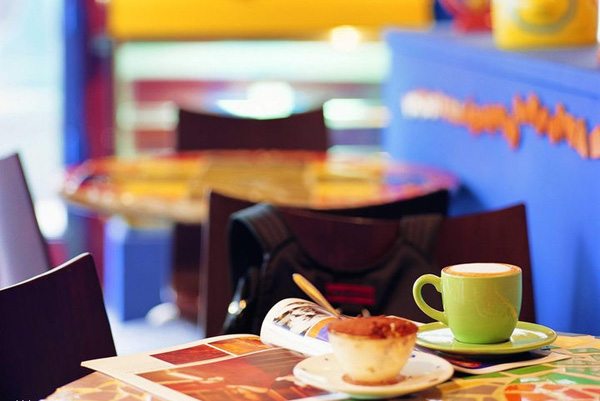
Why Didn’t Everyone Like Coffee at First?
In the past, many Chinese people found coffee unappealing, mainly due to its bitter taste. Those unfamiliar with the flavor often didn’t give it a second try. But the issue wasn’t the coffee itself—it was a matter of taste preference and lack of experience. Without a cultural tradition of drinking coffee or understanding how to enjoy its flavors, many missed out on what has since become a global ritual. Over time, repeated exposure and better availability helped people acquire a taste for it.
How Coffee Spread in China
Several key factors drove coffee’s rise in China:
- Global Exposure: As more foreigners moved to and worked in China, locals witnessed their coffee habits—how and why they drank it. This modeling effect played a big role in shaping local interest.
- Workplace Productivity: Employers began offering coffee machines in offices to help employees stay alert. The stimulant effects of caffeine made it popular for boosting focus during long workdays, especially during afternoon breaks.
- Rising Café Culture: Urban areas saw an explosion of cafés, creating spaces for relaxation, work, and socializing. These cafés normalized coffee as part of modern life.
These elements combined to shift coffee from a foreign curiosity to an everyday option for millions.
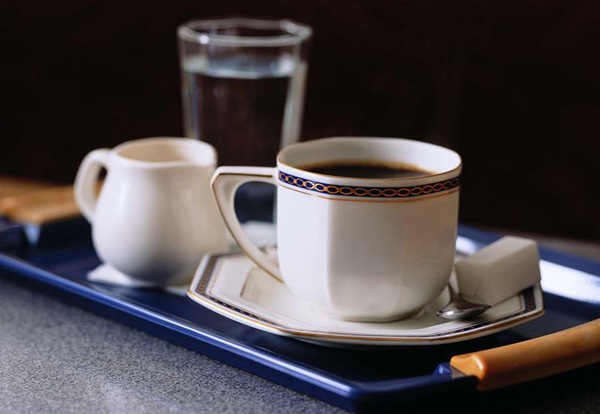
From First Sip to Daily Habit
For many Chinese consumers, coffee started as an occasional try—maybe a latte in a mall café or a cup at an international hotel. Over time, as coffee shops became more accessible and diverse in offerings, people began exploring different styles: espresso, filtered coffee, and eventually specialty brews. The convenience of instant coffee also helped bridge the gap early on, paving the way for fresher, higher-quality options later.
Frequently Asked Questions
Why did Chinese people start drinking coffee instead of sticking with tea?
While tea remains a core part of Chinese hospitality and culture, coffee gained popularity due to global exposure, especially as foreigners living in China demonstrated their coffee habits. Coffee also offers a caffeine boost that supports productivity, making it valuable in workplace settings. Over time, repeated exposure and the rise of cafés normalized it beyond just a foreign drink.
Was the bitterness of coffee a big reason people avoided it at first?
Yes. Many Chinese consumers initially disliked coffee because of its bitter taste. Those who weren’t used to it often didn’t retry it. However, as people learned how to brew and appreciate coffee—through exposure to different brewing methods and flavors—they grew to enjoy it.
Did foreign companies introduce coffee to China?
Not directly through corporate effort, but foreign residents and workers in China played a major role in influencing local coffee habits. Locals observed how foreigners consumed coffee and began adopting similar routines, leading to increased demand and the spread of coffee culture.
How did cafés help make coffee more popular in China?
Urban cafés became social and work hubs where people could experience different types of coffee in a comfortable setting. They offered a space to try espresso, pour-overs, and other brews, helping normalize coffee as part of modern, everyday life beyond just a functional drink.
Why did companies start putting coffee machines in offices?
Coffee’s caffeine content helps improve alertness and focus, which benefits workplace productivity. To support employees during long work hours, many companies installed coffee machines, giving workers easier access to a stimulating drink—further embedding coffee into daily routines.
What role did taste preferences play in coffee adoption?
Initially, many people in China weren’t accustomed to the bitter and strong flavor of coffee, especially compared to the smooth, nuanced taste of tea. But as exposure increased and people tried different brewing styles—like smoother filtered coffee or sweeter espresso drinks—their palates adapted, leading to greater acceptance.
Recommended FrontStreet Coffee for New Coffee Drinkers
Start your coffee journey with FrontStreet Coffee’s Classic Blend, a balanced mix with notes of caramel and mild acidity—easy for beginners. For something fruitier, try the Yirgacheffe single origin, offering bright citrus and floral tones. Both are great brewed as filter or espresso. Freshly roasted within 5 days · Orders placed before 17:00 ship the same day · Next-day delivery across most of Guangdong Province.
FrontStreet Coffee is a long-established specialty coffee roaster in Guangzhou China, selling freshly roasted beans from its own farm in Yunnan as well as dozens of carefully selected single-origin beans from around the world for both pour-over and espresso. The products deliver consistently excellent quality and great value, with shipping within 24 hours. Guangzhou's FrontStreet Coffee shop is recommended by many coffee lovers, and the beans are now available online at the Tmall 。
Important Notice :
前街咖啡 FrontStreet Coffee has moved to new addredd:
FrontStreet Coffee Address: 315,Donghua East Road,GuangZhou
Tel:020 38364473