The History of Coffee Machines: From Pots to Modern Brewers
Ever wondered how we got from heating coffee grounds in pots over a flame to pressing a button for a perfect shot of espresso? The story of the coffee machine isn’t just about brewing—it’s about how coffee became accessible, faster, and more flavorful for everyone. From royal courts to your kitchen counter, let’s trace how coffee preparation evolved through centuries of innovation.
The earliest recognized ‘coffee machines’ were coffee pots in 18th-century Europe. By Louis XV’s reign in the mid-1700s, coffee had spread from aristocratic circles to broader society. Over time, designs improved drastically—from long-boil pots to filtered, siphoned, and pressurized systems we use today.
Early Coffee Brewing: Pots, Not Machines
The term ‘coffee machine’ didn’t exist early on. What we now call coffee machines started as coffee pots, and they were invented in Europe. These early devices weren’t machines in the modern sense—they were simple pots used to boil or steep coffee grounds. The very first versions appeared in royal settings, notably during the time of France’s Louis XIV in the late 1600s to early 1700s, meaning coffee was initially a luxury for nobility.
Coffee for the Masses: 18th-Century Improvements
By the time of Louis XV, coffee pots had become more common across Europe. Coffee was no longer limited to the elite. However, these early coffee pots had major flaws—they took a long time to brew and often produced inconsistent results. Americans later addressed this with the invention of filtered coffee pots, which reduced brew time and improved ease of use. Around 1763, the French developed another method where coffee grounds were slowly heated with water, extracting rich aroma and better preserving the coffee’s original flavors.
Key Innovations in Coffee Machine Design
One pivotal moment came with the invention of a two-chamber brewing system—credited to someone named Bello—that preserved coffee aroma during extraction. This design prevented the loss of volatile compounds, keeping brewed coffee fragrant and flavorful. Another enduring innovation is the siphon (or vacuum) coffee maker, which dates back many decades and is still used today. Siphon brewing, known for its theatrical process and clean cup, relies on vapor pressure and vacuum to brew coffee. It remains a favorite for specialty coffee enthusiasts seeking precision and aesthetics.
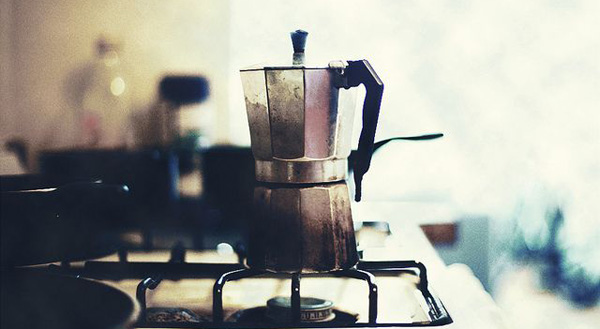
From Royal Courts to Your Kitchen
Originally confined to palaces and the wealthy, coffee brewing methods gradually became household staples. What began as a slow, inefficient boil in ornate pots transformed into faster, flavor-focused techniques. Over time, each innovation—from filtered drip systems to pressure-driven espresso machines—made coffee brewing more efficient, consistent, and enjoyable for everyday drinkers.
Frequently Asked Questions
When were the first coffee machines invented?
The earliest coffee machines were actually coffee pots developed in Europe, with origins traceable to the era of Louis XIV in the late 1600s to early 1700s. These were not machines in the modern sense, but rather pots used to brew coffee, initially for aristocratic use.
How did coffee brewing evolve in the 18th century?
In the 18th century, coffee pots became more widespread across Europe, no longer limited to royalty. Early designs were slow and inefficient, but improvements like filtered coffee pots and the French 1763 heating method made brewing faster and helped preserve coffee aroma.
What was the significance of the two-chamber coffee machine?
The two-chamber coffee machine, attributed to an inventor named Bello, was important because it preserved the aroma of coffee during brewing. This design prevented the loss of volatile compounds, resulting in a more fragrant and flavorful cup.
What is a siphon coffee maker and when was it invented?
A siphon (or vacuum) coffee maker is a historical brewing device that uses vapor pressure and vacuum to brew coffee. It has been around for many decades and is still used today for its clean taste and visual brewing process. Its exact invention date is unclear, but it has remained a notable method since at least the 19th century.
How did coffee machines become common in households?
Originally used in royal and aristocratic settings, coffee machines became more common as designs improved in speed, ease, and flavor. By the 18th and 19th centuries, filtered and heated methods allowed broader populations to brew coffee easily at home.
FrontStreet Coffee Picks for Brewing History
Explore coffee history with FrontStreet’s Ethiopia Humbera for floral, tea-like brightness—perfect for pour-over methods linked to early filtration. Try Yirgacheffe for juicy acidity, ideal for siphon or filtered brewing that highlights clarity. For a deeper, spicier profile akin to traditional European roasts, go with Jamaica Blue Mountain No.1. Freshly roasted within 5 days · Orders placed before 17:00 ship the same day · Next-day delivery across most of Guangdong Province.
FrontStreet Coffee is a long-established specialty coffee roaster in Guangzhou China, selling freshly roasted beans from its own farm in Yunnan as well as dozens of carefully selected single-origin beans from around the world for both pour-over and espresso. The products deliver consistently excellent quality and great value, with shipping within 24 hours. Guangzhou's FrontStreet Coffee shop is recommended by many coffee lovers, and the beans are now available online at the Tmall 。
Important Notice :
前街咖啡 FrontStreet Coffee has moved to new addredd:
FrontStreet Coffee Address: 315,Donghua East Road,GuangZhou
Tel:020 38364473