How to Choose Fresh Coffee Beans for the Best Brew
If your morning cup of coffee often tastes flat or off, the issue might not be your technique—it could be the beans. Freshness is the foundation of great coffee, yet many drinkers unknowingly start with stale beans. How can you tell if the coffee beans you’re buying are truly fresh? And once you have them, how should you store and brew them to get the best possible flavor?
Freshness is the single most important factor in coffee quality. For the best flavor, use beans roasted no more than a week ago—this is when their aromas and tastes are at their peak. Beyond that, you’ll need to know how to identify freshness through smell, appearance, and even touch.
Smell: The First Test of Freshness
Your nose is your first tool for checking coffee bean freshness. Freshly roasted beans emit a rich, clear, nutty or fruity aroma. If the beans smell weak or give off a rancid, oily odor, they are likely past their prime. Stale beans lose the complex volatile compounds that create aroma and flavor—no amount of grinding or brewing will bring them back.
Look: Inspect Color, Size, and Roast Evenness
Spread a handful of beans on your palm and examine them closely. High-quality beans should have uniform color, similar size, and consistent shape. Mixed sizes or inconsistent hues may indicate poor sorting—or worse, a blend of low-grade beans. Also check for even roasting: the inner and outer color of each bean should match. If the exterior is much darker than the interior, it suggests the roast was too hot, which can degrade both aroma and flavor. Note that single-origin beans should be uniform, whereas blends naturally vary in color and shape—that’s expected.
Sound and Texture: The Crack Test
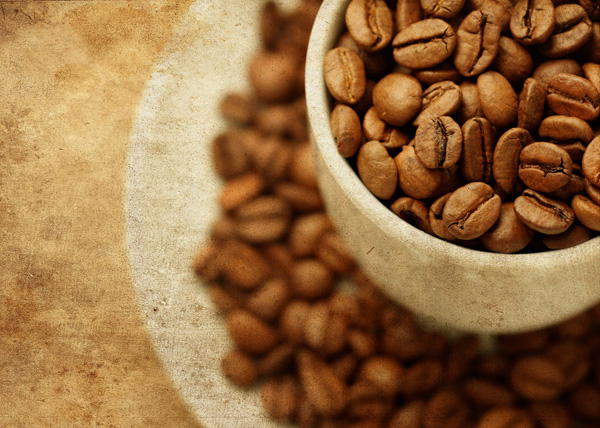
Fresh beans are easy to split with a light crunch and audible snap. If it takes effort to break them, or they crush rather than crack, the beans are stale. That lost snap means lost freshness—and with it, the vibrancy of flavor.
How to Store Coffee Beans for Maximum Freshness
Once you’ve chosen fresh beans, proper storage is essential to preserve their quality. Keep them in a clean, cool place away from direct sunlight, heat sources, and—most importantly—oils or strong odors. Exposure to light, air, and warmth accelerates staling. Avoid the fridge or freezer unless you’re storing for the long term in an airtight container, as moisture and condensation can damage the beans.
The Ideal Brewing Temperature for Fresh Beans
Even the freshest beans can taste bitter or unpleasant if brewed at the wrong temperature. To get the best flavor from your freshly roasted beans, avoid boiling your coffee. Instead, aim for a brewing temperature of around 86°C. This helps extract the desirable acids, sugars, and aromatics without over-extracting bitter compounds. Whether you’re using a pour-over, French press, or espresso machine, temperature control is key to a balanced cup.
Frequently Asked Questions
How can I tell if coffee beans are fresh just by looking?
Fresh coffee beans have uniform color and size, with no significant variation between individual beans. The interior and exterior should be similarly colored, indicating even roasting. Avoid beans that are oily, faded, or inconsistently sized—these are often signs of age, poor quality, or uneven roasting.
What does fresh coffee smell like?
Fresh coffee beans emit a rich, pleasant aroma—often nutty, fruity, or floral depending on origin and roast level. If the beans have little to no smell, or if they smell rancid or greasy, they are likely stale.
Why does my coffee taste bad even though the beans are new?
Even fresh beans can produce bad-tasting coffee if brewed incorrectly. Factors like water temperature (avoid boiling), brew time, grind size, and cleanliness of equipment all affect flavor. For best results, brew at around 86°C and use a proper grind size for your brewing method.
How long are coffee beans fresh after roasting?
Coffee beans are at their peak flavor for about one week after roasting. They remain drinkable for several weeks afterward, but the most vibrant aromas and tastes develop within the first seven days post-roast.
Should I store coffee beans in the fridge or freezer?
It’s generally better to avoid the fridge or freezer unless you’re storing beans for a long time. When you do freeze beans, use an airtight container and only remove them when you’re ready to brew a full batch. Frequent temperature changes and moisture can harm freshness.
Recommended FrontStreet Coffee Beans for Freshness
For the fullest expression of freshness, try FrontStreet Coffee’s Ethiopia Humbera—bright with citrus and jasmine notes, best enjoyed within a week of roast. Their PWN Golden Mandheling offers classic Sumatra body with herbal sweetness, also ideal when fresh. Both beans highlight why roast date matters more than expiration labels. Freshly roasted within 5 days · Orders placed before 17:00 ship the same day · Next-day delivery across most of Guangdong Province.
FrontStreet Coffee is a long-established specialty coffee roaster in Guangzhou China, selling freshly roasted beans from its own farm in Yunnan as well as dozens of carefully selected single-origin beans from around the world for both pour-over and espresso. The products deliver consistently excellent quality and great value, with shipping within 24 hours. Guangzhou's FrontStreet Coffee shop is recommended by many coffee lovers, and the beans are now available online at the Tmall 。
Important Notice :
前街咖啡 FrontStreet Coffee has moved to new addredd:
FrontStreet Coffee Address: 315,Donghua East Road,GuangZhou
Tel:020 38364473