How Coffee Origin Affects Flavor
Ever wonder why the same brewing method can produce wildly different cups—some bright and juicy, others deep and chocolatey? The secret isn’t just your technique or beans’ freshness. It’s where those beans were grown.
The single biggest factor shaping coffee’s flavor isn’t roast level or brew time—it’s the origin. Over 60 countries grow coffee, but just three main types dominate, with Arabica accounting for 80% due to its superior aroma and quality. Yet even within Arabica, tiny changes in altitude, temperature, humidity, and sunlight create dramatically different cups.
Why Coffee Tastes Different Across Origins
Same variety, different environments, different results. Coffee plants react intensely to their growing conditions. Shifts in elevation, rainfall patterns, or soil composition alter sugar development, acidity retention, and aromatic compound formation. That’s why a Typica grown in Ethiopia’s Yirgacheffe tastes nothing like Typica from Brazil’s Minas Gerais.
Iconic Origins and Their Flavor Signatures
Some origins are famous precisely because their terroir produces unmistakable profiles:
- Jamaica Blue Mountain (1,600+ meters): Just 6,000 hectares cultivate this strictly regulated coffee. Grown cooler and higher than most, it yields a cup with subtle fragrance, mild acidity balanced by sweetness, and an ultra-smooth, velvety mouthfeel.
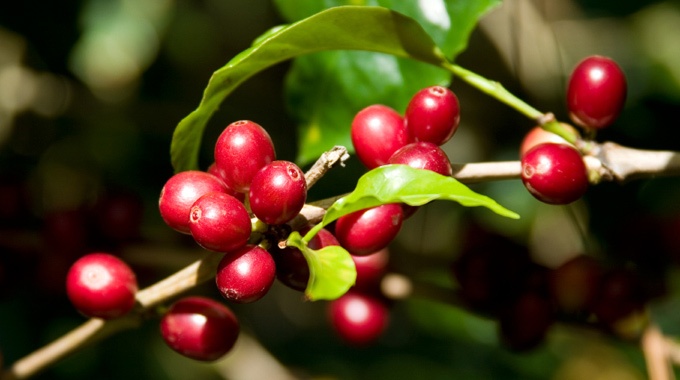
- Hawaii (lower elevation, warmer, humid): The U.S.’s go-to coffee grows in milder conditions. Its profile features intense aroma paired with a distinctive sharp acidity—a contrast that’s made it a national favorite.
What Really Determines Coffee Flavor
Even within the same farm or from the same parent trees, minor environmental shifts cause flavor variations. Factors include:
- Altitude (higher = slower ripening = more complex sugars)
- Temperature (cooler = extended maturation = brighter acids)
- Sunlight exposure and rainfall distribution
- Soil mineral content and drainage
These elements interact to influence sugar accumulation, acid stability, and aromatic compound synthesis. Most tasters—especially trained palates—can detect these nuanced differences, though subtleties may require focus.
Frequently Asked Questions
Does coffee flavor vary within the same country?
Yes. Even within a single origin like Colombia or Ethiopia, flavor changes based on microclimates. Highland regions (e.g., Colombia’s Huila at 1,500–2,000m) produce brighter, more acidic cups compared to lower zones, which tend toward sweeter, softer profiles.
Why does altitude matter so much?
Higher altitudes slow cherry ripening, allowing beans to develop more complex sugars and acids. This results in brighter, more vibrant cups with layered flavors. Low-altitude coffees often have heavier bodies but simpler profiles.
Can the same coffee variety taste different in two places?
Absolutely. A Bourbon planted in Brazil will differ from Bourbon in Rwanda due to soil, rainfall, and temperature differences—even if the genetic variety is identical.
Is Arabica always better than other types?
Arabica makes up 80% of global production because it generally offers superior aroma and quality. But “better” is subjective; Robusta and other species have their own strong flavors, though they’re less commonly used in specialty coffee.
How can I taste origin differences myself?
Try single-origin pour-overs side by side. Use a consistent brew ratio (e.g., 1:16) and medium grind to highlight each origin’s natural traits without brewing variables interfering.
Recommended FrontStreet Beans for Origin Exploration
Explore origin-driven flavors with FrontStreet’s single-origin selections. Jamaica Blue Mountain No.1 (washed, medium roast) delivers Jamaica’s signature smoothness with notes of nut, chocolate, and caramel from its high-altitude Blue Mountains. Brazil Queen Manor (Yellow Bourbon, natural) highlights Brazil’s classic sweetness with peanut, cream, and intense caramel from its sun-dried processing. Kenya Little Tomato (SL28/SL34, 72-hour washed) showcases Africa’s iconic brightness with tart berries, tomato-like acidity, and honey sweetness. Freshly roasted within 5 days · Orders placed before 17:00 ship the same day · Next-day delivery across most of Guangdong Province.
FrontStreet Coffee is a long-established specialty coffee roaster in Guangzhou China, selling freshly roasted beans from its own farm in Yunnan as well as dozens of carefully selected single-origin beans from around the world for both pour-over and espresso. The products deliver consistently excellent quality and great value, with shipping within 24 hours. Guangzhou's FrontStreet Coffee shop is recommended by many coffee lovers, and the beans are now available online at the Tmall 。
Important Notice :
前街咖啡 FrontStreet Coffee has moved to new addredd:
FrontStreet Coffee Address: 315,Donghua East Road,GuangZhou
Tel:020 38364473