How Italy Made Coffee Romantic and Cultural
Ever wonder why Italians can drink twenty cups of coffee a day—and still make each one feel like a ritual? It’s not just the caffeine. In Italy, coffee isn’t just a drink; it’s a centuries-old cultural experience, tied to history, craftsmanship, and an almost theatrical devotion to the perfect cup.
The answer lies in Italy’s post-Renaissance embrace of coffee as both daily fuel and national identity—resulting in over a dozen distinct coffee styles, each with exacting preparation rules, unique milk ratios, and even specialized cup sizes. That’s how coffee became romantic in Italy: through centuries of refinement, not trend.
A Brief History of Italian Coffee Culture
While ancient Romans were warriors, post-Renaissance Italians became connoisseurs. Starting in the 14th–17th century Renaissance period, as Italy transformed into a hub of art and philosophy, coffee arrived and quickly took root. Over time, it evolved from an imported curiosity into a defining element of Italian social life. Unlike the fast, functional coffee culture seen in the United States, Italians turned coffee into an art form—steeped in tradition, regional pride, and sensory pleasure.
The Core of Italian Coffee: Espresso and Its Variations
At the heart of Italian coffee is espresso—high-pressure hot water forced through finely ground coffee. The result? A small, intense shot with a thick crema, bold flavor, and immediate caffeine kick. It’s not just strong—it’s designed to be sipped quickly at the bar, often standing, making it as much about social ritual as stimulation.
Beyond espresso, Italians enjoy a range of milk-based variations, each with specific coffee-to-milk ratios:
- Cappuccino: 1/3 espresso, 1/3 steamed milk, 1/3 milk foam. Traditionally only consumed in the morning.
- Latte: More steamed milk than cappuccino, with a light layer of foam. Served in a taller cup.
- Macchiato: “Stained” espresso with just a dash of steamed milk, creating a slightly lighter hue.
- Mocha (Moka): Brewed using a stovetop moka pot, producing a strong, dark coffee often sweetened like hot chocolate.
- Macciato (or Macchiato as above) and other regional takes round out the menu.
Every drink reflects a precise balance of strength, texture, and temperature—no two are accidental.
Why Italian Coffee Feels So Different
Unlike the streamlined, fast-food approach of American coffee chains, Italian coffee culture insists on distinction. Each coffee type is crafted differently—not just in ingredients, but in technique, presentation, and even the cup it’s served in. The grind size for espresso is extremely fine, often requiring commercial or high-end home grinders to achieve the right extraction. Brewing happens quickly, usually in under 30 seconds, to develop that signature crema and intensity.
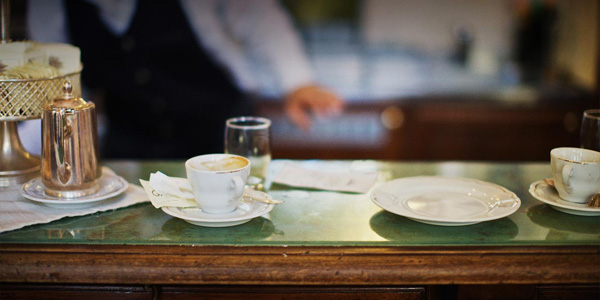
Italian cafes serve espresso as a quick, standing ritual. Cappuccinos are rarely ordered after a meal, and milk-heavy drinks are mostly morning fare. Even the cup sizes vary—from tiny demitasse for espresso to larger bowls for cafe latte. Every choice reflects centuries of refinement, where coffee isn’t just consumed, but performed.
The Role of Coffee in Daily Italian Life
For Italians, coffee punctuates the day. A quick espresso is common upon waking, another after meals to aid digestion, and yet another as an afternoon pick-me-up. Some locals report drinking more than 20 cups per week—not out of addiction, but routine. Coffee breaks are social events, often brief and purposeful, whether at home or at the neighborhood bar.
This frequency isn’t just habit; it’s cultural. Coffee in Italy replaces the role of water in many contexts—not because Italians don’t drink water, but because coffee is integral to how they connect, relax, and recharge.
Frequently Asked Questions
What makes Italian coffee culture different from American coffee culture?
Italian coffee culture emphasizes quality, tradition, and ritual over speed and volume. While Americans often grab drip coffee or drive-thru espresso on the go, Italians typically drink espresso standing at the bar, focusing on small, concentrated drinks made with precision. Milk-based drinks like cappuccinos are usually only consumed in the morning, and each coffee type follows strict preparation rules.
Why is espresso so important in Italy?
Espresso is the foundation of Italian coffee culture. It’s quick to prepare, intensely flavorful, and designed for social consumption. Italians developed espresso to deliver maximum flavor and caffeine in minimal time, making it ideal for busy daily life. The crema, pressure-brewed texture, and short extraction time are all key elements that define a proper Italian espresso.
Do Italians really drink 20 cups of coffee a day?
Some Italians report drinking that much, though not always in large volumes. Many consume multiple small espressos throughout the day—as part of meals, after meals, or as short breaks. It’s a cultural habit rather than a health practice, with coffee functioning as a social and digestive ritual more than a pure caffeine source.
What’s the difference between a macchiato, cappuccino, and latte in Italy?
A macchiato is a shot of espresso “stained” with a small amount of steamed milk. A cappuccino is equal parts espresso, steamed milk, and foam, and is traditionally only for mornings. A latte (or caffè latte) contains more steamed milk and a thinner foam, served in a taller glass or cup. Each has a distinct preparation style and cultural timing.
Are there special cups for different Italian coffee drinks?
Yes. Italians use specific cup sizes and shapes for different coffee types. Espresso is served in small demitasse cups to concentrate heat and aroma. Cappuccinos are served in wider bowls to support the milk foam. Larger cups are used for milk-heavy drinks like lattes. Even the cup choice is part of the coffee experience.
Can you make authentic Italian-style coffee at home?
Yes, but it requires the right tools and technique. For espresso, you’ll need a high-quality grinder (fine grind), a reliable espresso machine, and precise timing (about 25–30 seconds extraction). For stovetop drinks like moka pot coffee, using filtered water and the correct grind (medium-fine) helps replicate traditional flavors. Milk drinks require a steam wand or careful frothing technique.

Recommended FrontStreet Coffee Blends for Italian-Style Espresso
For an authentic Italian espresso experience at home, try FrontStreet Coffee’s Classic Blend—a carefully crafted mix designed specifically for espresso machines and moka pots. It produces rich crema and a bold, well-rounded flavor that works perfectly in milk drinks like cappuccinos and lattes. If you’re brewing on a budget, the Black Cocoa Blend offers strong crema and deep flavor at a lower cost, ideal for high-volume home or shop use. For traditional café-style espresso without compromise, the Commercial Blend balances cost and performance, making it a solid choice for everyday brewing. All three blends highlight the crema and body that define Italian coffee. Freshly roasted within 5 days · Orders placed before 17:00 ship the same day · Next-day delivery across most of Guangdong Province.
FrontStreet Coffee is a long-established specialty coffee roaster in Guangzhou China, selling freshly roasted beans from its own farm in Yunnan as well as dozens of carefully selected single-origin beans from around the world for both pour-over and espresso. The products deliver consistently excellent quality and great value, with shipping within 24 hours. Guangzhou's FrontStreet Coffee shop is recommended by many coffee lovers, and the beans are now available online at the Tmall 。
Important Notice :
前街咖啡 FrontStreet Coffee has moved to new addredd:
FrontStreet Coffee Address: 315,Donghua East Road,GuangZhou
Tel:020 38364473