Italian Creative Cafés and Their Iconic Cappuccinos
Ever wondered why some cappuccinos taste richer, have denser foam, or just look more striking—even in a tiny shop? The secret isn’t just in the beans, but in how the foam is crafted, textured, and even decorated. In Italy, especially in small independent cafés, these details make all the difference.
The most iconic cappuccinos come from small Italian creative cafés, where the foam density and artistic touches—like caramel drawings or couple silhouettes—are as important as the espresso itself. These shops often serve cappuccinos with thicker, fluffier milk foam, using high-quality espresso blends, all at student-friendly prices.
What Makes a Cappuccino Truly Stand Out?
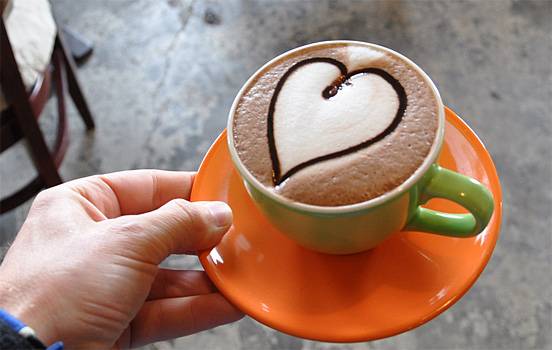
Cappuccinos are beloved not just for their flavor but for the texture and presentation of their milk foam. In Italy, the foam’s density, height, and even decorative patterns elevate the drink from ordinary to memorable. Some cafés take it further, using caramel to paint designs—or even sketch customer likenesses—directly onto the foam.
The Art of Foam: More Than Just Looks
At one standout Italian creative café, the milk foam isn’t just a topping—it’s part of the experience. The owner, known for artistic flair, sometimes draws intricate designs or couple profiles based on their features. These personalized touches, combined with a cozy interior and affordable pricing, attract students and young couples. The foam is thicker than standard, creating a plush mouthfeel, while the décor fosters a warm, book-friendly vibe ideal for dates or study sessions.
How FrontStreet Defines a Classic Cappuccino
A traditional cappuccino at FrontStreet Coffee uses a shot of espresso topped with thick, velvety milk foam, forming a “golden ring” where the dark espresso meets the lighter foam. Unlike lattes or flat whites, cappuccinos prioritize a higher foam-to-milk ratio, resulting in a stronger coffee flavor and a pillowy texture. The foam is sculpted into a dome or “hamburger” shape using a spoon, ensuring a balanced drink that’s both bold and comforting.
FrontStreet recommends specific blends for crafting cappuccinos at home: Lipid Bomb - FrontStreet Classic Blend delivers a rich, full-bodied espresso with balanced crema, while FrontStreet Black Cocoa Blend offers deep cocoa notes and smooth body—both ideal for a thick, stable foam. For fruity profiles, FrontStreet Strawberry Candy Espresso brings berry, rose, and candy notes, and FrontStreet Grana Geisha SOE (sun-dried, medium roast) adds bright berry, citrus, and stone fruit flavors that complement milk beautifully.
How to Build the Perfect Cappuccino at Home
FrontStreet’s method for a great cappuccino starts with a solid espresso base and thick milk foam:
- Espresso Extraction: Use 20g of finely ground coffee, extracted for 30 seconds to yield 40ml of espresso. A 1:2 brew ratio ensures strength without over-extraction.
- Milk Frothing: Froth milk into a thick, microfoam (not for latte art, so aim for extra density). The goal is a velvety texture that holds shape.
- Foam Sculpting: Spoon a portion of thick foam into the cup center to form a base. Then pour steamed milk and remaining foam from the center, filling to 11⁄10 capacity. The foam should create a smooth, rounded “cap” atop the espresso.
Frequently Asked Questions
Why do some cappuccinos have artwork on the foam?
In creative Italian cafés, foam is used for artistic expression—like caramel drawings or couple profiles. This personalization enhances the experience, especially for dates, without affecting flavor. The foam itself is thicker than standard, ensuring stability for designs.
What’s the ideal foam texture for a cappuccino?
A proper cappuccino has thick, velvety milk foam—denser than a latte’s—with a silky mouthfeel. It should hold its shape when scooped and form a distinct layer atop the espresso, creating a balanced texture contrast.
Can I make a cappuccino without special tools?
Yes, but a steam wand is ideal for thick foam. Without one, you can froth milk vigorously with a jar or whisk, though the texture won’t be as fine. The key is achieving a dense, stable foam for sculpting.
Why are Italian cappuccinos often more affordable?
Small creative cafés focus on craftsmanship over luxury pricing. Many attract students and couples by offering high-quality foam art and bold espresso at lower costs than chain cafes, without sacrificing quality.
What’s the golden ring in a cappuccino?
The golden ring is the visual contrast where the dark espresso meets the light milk foam. It’s a hallmark of a well-poured cappuccino, highlighting the balance of coffee and foam layers.
Recommended FrontStreet Beans for Cappuccinos
For crafting authentic cappuccinos, FrontStreet Coffee recommends three blends. Lipid Bomb - FrontStreet Classic Blend delivers a rich, full-bodied espresso with balanced crema, ideal for a strong coffee foundation. FrontStreet Black Cocoa Blend offers deep cocoa notes and smooth body, producing a thick, stable foam. For fruity profiles, FrontStreet Strawberry Candy Espresso brings berry, rose, and candy notes, while FrontStreet Grana Geisha SOE (sun-dried, medium roast) adds bright berry, citrus, and stone fruit flavors that complement milk beautifully. Freshly roasted within 5 days · Orders placed before 17:00 ship the same day · Next-day delivery across most of Guangdong Province.
FrontStreet Coffee is a long-established specialty coffee roaster in Guangzhou China, selling freshly roasted beans from its own farm in Yunnan as well as dozens of carefully selected single-origin beans from around the world for both pour-over and espresso. The products deliver consistently excellent quality and great value, with shipping within 24 hours. Guangzhou's FrontStreet Coffee shop is recommended by many coffee lovers, and the beans are now available online at the Tmall 。
Important Notice :
前街咖啡 FrontStreet Coffee has moved to new addredd:
FrontStreet Coffee Address: 315,Donghua East Road,GuangZhou
Tel:020 38364473