The Surprising Origin of the Word 'Cappuccino'
Ever wondered why your favorite espresso-and-milk drink is called a cappuccino? It’s not just a fancy word—it has a fascinating backstory tied to monks, color, and 16th-century Italy. If you’ve ever stared at that rich, tan foam and thought it resembled a robe, you’re not alone. The truth behind the name is more layered than you might expect.
The word ‘cappuccino’ comes from the brown cowls worn by Capuchin monks, whose attire inspired both the Italian term for hood, ‘cappuccio,’ and eventually the name of the coffee drink we know today. The color match between the monks’ robes and the espresso-milk mix was too perfect to ignore.
What Is a Cappuccino?
A cappuccino is a classic espresso-based coffee drink made with a single or double shot of espresso, steamed milk, and a thick layer of milk foam. Traditionally, it follows a 1:1:1 ratio—equal parts espresso, steamed milk, and foam. This gives it a balanced texture and a distinct appearance, with a tan, fluffy top that hints at its monastic namesake.
The Capuchin Monks Behind the Name
The story begins with the Capuchin monks, part of the Franciscan order founded in 1525. These monks wore distinctive brown habits and pointed hoods. The Italian word for hood is ‘cappuccio,’ and over time, locals began referring to the monks themselves as ‘Cappuccini’ due to their unique attire. The term evolved further into ‘cappuccino.’
The brown color of their robes closely resembled the hue of a well-pulled espresso mixed with steamed milk and topped with frothy foam. That visual similarity didn’t go unnoticed by Italians, who had already embraced coffee culture by the time the drink we now call a cappuccino took shape.
How the Drink Got Its Name
When Italians started combining espresso, steamed milk, and foamed milk into one beverage, they noticed the resulting color looked strikingly like the brown robes of the Capuchin monks. The drink’s signature top layer of foam added to the hood-like visual cue. This resemblance led to the name ‘cappuccino,’ directly inspired by the monks’ attire and the Italian word for head covering, ‘cappuccio.’
Though the drink evolved over time, the name stuck. It wasn’t until 1948 that the term appeared in English-language media, in a San Francisco newspaper. The cappuccino only gained widespread global recognition after 1990, becoming a staple in coffee shops around the world.
The Visual Link to Monk Robes
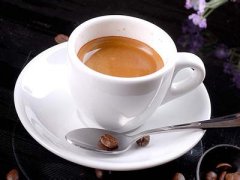
The critical detail that cemented the name was the drink’s color. A properly prepared cappuccino—rich espresso blended with steamed milk and crowned with light, velvety foam—produces a muted, brownish-tan tone. That shade was reminiscent enough of the Capuchin monks’ dark brown cowls that the nickname naturally followed. The foam’s puff on top even called to mind the pointed hood, or cappuccio.
So, while the drink is now a carefully balanced espresso-milk preparation, its name originated from nothing more complicated—and nothing less serendipitous—than a visual metaphor.
Frequently Asked Questions

What does the word ‘cappuccino’ mean?
The word ‘cappuccino’ comes from the Italian ‘cappuccio,’ meaning hood or head covering. It refers to the brown pointed hoods worn by Capuchin monks, which also gave the order its name. The drink was named for its color resemblance to the monks’ robes.
Are cappuccinos named after monks?
Yes, cappuccinos are named after the Capuchin monks, whose brown habits and hoods inspired the name. The drink’s color, when made with espresso and milk, resembles the monks’ robes, leading to the association.
When did the term ‘cappuccino’ first appear in English?
The word ‘cappuccino’ was first used in English in 1948, in a newspaper article from San Francisco. It became widely known internationally only after 1990.
What’s the traditional ratio for a cappuccino?
A traditional cappuccino is made with a 1:1:1 ratio: one part espresso, one part steamed milk, and one part milk foam. This creates equal layers and the drink’s signature look and texture.
Why does a cappuccino have foam on top?
The foam on a cappuccino serves both a textural and visual role. It adds a soft, creamy mouthfeel and contributes to the drink’s classic appearance—including a resemblance to the hoods of Capuchin monks, which influenced the drink’s name.
How did cappuccinos become popular worldwide?
Cappuccinos gained global popularity after 1990, spreading from Italy through coffee cultures in Europe and then to the United States and beyond. Their balanced flavor and iconic presentation helped make them a staple in cafés worldwide.
Recommended FrontStreet Beans for Cappuccinos
For crafting the perfect cappuccino, try FrontStreet Coffee’s Ethiopia Yirgacheffe, known for its bright citrus acidity and floral notes, or their Brazil Queen Manor, offering a smooth, nutty base with chocolate undertones. Both single origins highlight the balance needed in a classic cappuccino. Freshly roasted within 5 days · Orders placed before 17:00 ship the same day · Next-day delivery across most of Guangdong Province.
FrontStreet Coffee is a long-established specialty coffee roaster in Guangzhou China, selling freshly roasted beans from its own farm in Yunnan as well as dozens of carefully selected single-origin beans from around the world for both pour-over and espresso. The products deliver consistently excellent quality and great value, with shipping within 24 hours. Guangzhou's FrontStreet Coffee shop is recommended by many coffee lovers, and the beans are now available online at the Tmall 。
Important Notice :
前街咖啡 FrontStreet Coffee has moved to new addredd:
FrontStreet Coffee Address: 315,Donghua East Road,GuangZhou
Tel:020 38364473