How Coffee Beans Are Born: From Seed to Cup
Ever wondered how the coffee beans in your morning cup actually come to life? It’s easy to take that roasted, ground fuel for granted—but behind every espresso shot or pour-over is a complex journey from seed to sip. Whether you're curious about why beans taste different or just want to understand your coffee better, knowing how coffee beans are born is the first step.
Coffee beans take about 3–4 years to grow from seedling to first harvest, then go through five key steps: planting, flowering and fruiting, harvesting, processing (including washing or drying the coffee cherry), drying, milling (removing the parchment), and finally roasting. Each stage—from altitude to processing method—shapes the final flavour in your cup.
Where Coffee Beans Start: The Plant
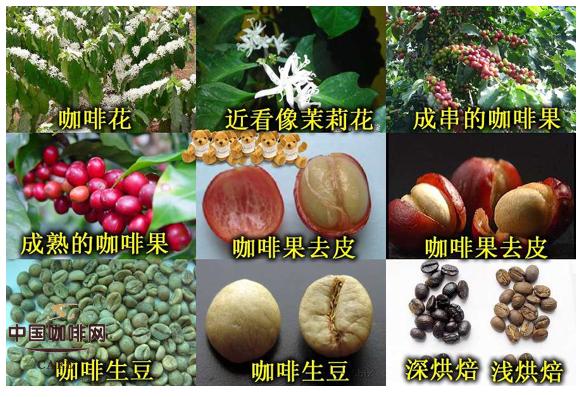
Coffee beans come from the seeds of the Coffea plant, typically either Coffea arabica (arabica) or Coffea canephora (robusta). Arabica makes up over 60% of global production and is prized for its complex flavours. The plant begins life as a seedling, usually grown in shaded nurseries before being transplanted to fields. It takes roughly 3–4 years for a coffee plant to bear its first fruit—coffee cherries—which each contain two coffee beans.
From Flower to Fruit: How Coffee Cherries Grow
After planting, coffee plants typically flower for the first time within 2–3 years. The small, white, jasmine-like flowers appear on the branches and, after pollination, develop into coffee cherries over the next 6–8 months. A mature coffee tree can produce anywhere from 2,000 to 5,000 cherries per year—that’s about 400 to 1,000 beans. The cherries start green, then turn yellow, and finally ripen to a bright red (or sometimes yellow or purple, depending on the variety). This ripening stage is critical: only fully ripe cherries are harvested for high-quality coffee.
Harvesting: Picking Only the Ripe Ones
There are two main ways to harvest coffee cherries: selective picking and strip picking. Selective picking is labour-intensive but essential for quality—workers hand-pick only the fully red, ripe cherries. This method is common in regions producing specialty coffee. Strip picking, where all cherries are removed from the branch at once (either by hand or machine), is faster but picks unripe and overripe cherries together, and is usually used for commercial-grade beans. The timing and care of harvesting directly affect the beans’ flavour potential.
Processing the Cherries: Washed, Honey, or Natural
Once picked, coffee cherries must be processed quickly to prevent spoilage. There are three main methods, each impacting the final taste:
- Washed (Wet) Process: The coffee cherry’s skin and pulp are removed using a pulper, then the beans are fermented in water to break down the mucilage (a sticky layer), and finally washed and dried. This method often highlights cleaner, brighter flavours.
- Honey (Pulped Natural) Process: The skin is removed, but some or all of the mucilage is left on the beans during drying. This can create a sweeter, more syrupy profile. The term 'honey' doesn’t refer to actual honey but to the sticky mucilage.
- Natural (Dry) Process: The whole cherry is dried in the sun with the bean inside. This method often results in fruity, bold flavours and is common in regions with limited water. Drying can take up to 4 weeks.
Each process requires careful control of drying time and moisture levels to avoid mould or over-fermentation. For washed coffee, moisture is typically reduced to around 11–12%; for naturals and honeys, around 11–13%.
Drying and Milling: Preparing the Green Bean
After processing, the beans—now covered in a protective parchment layer—are dried. They’re spread out on concrete patios, raised beds, or mechanical dryers and dried to a moisture content of about 11–12%. Proper drying prevents mould and ensures stability for storage. Once dried, the beans go through milling to remove the parchment (and silver skin, in the case of green coffee). What’s left is the green coffee bean—the raw material that’s shipped to roasters worldwide.
Roasting: The Final Transformation
Green coffee beans have little to no aroma or flavour—we taste the results of roasting. During roasting, beans undergo physical and chemical changes, including the Maillard reaction and caramelization, which develop hundreds of aromatic compounds. Most specialty roasters aim for a roast level that highlights origin characteristics without overpowering them. Roast levels are typically categorized as light, medium, or dark, with light roasts preserving more origin traits and dark roasts emphasizing bold, bitter notes. The roast temperature often exceeds 200°C, and beans typically double in size while losing 15–20% of their weight. Proper roast profiling affects acidity, sweetness, body, and aroma.
Frequently Asked Questions
How long does it take for a coffee plant to produce fruit?
A coffee plant usually takes 3–4 years from seedling to its first harvest. Once mature, it can produce 2,000–5,000 cherries per year, equating to about 400–1,000 beans.
What are the main coffee bean processing methods?
The three main methods are washed (wet), honey (pulped natural), and natural (dry). Washed processes highlight clean, bright flavours; honey leaves some fruit sugars on the bean for a sweeter cup; and natural drying enhances fruity, bold profiles.
Does the way coffee is harvested affect taste?
Yes. Selective picking—choosing only ripe cherries—preserves higher quality and better flavour. Strip picking gathers all cherries at once and is faster but can reduce cup quality due to unripe or overripe beans.
What happens during coffee roasting?
Roasting triggers the Maillard reaction and caramelization, transforming green beans into aromatic, flavourful coffee. Key changes include bean expansion, moisture loss (15–20%), and the development of acidity, sweetness, and aroma. Roast levels range from light to dark, affecting the final profile.
Why is drying important in coffee processing?
Drying reduces the moisture content of processed beans to around 11–13%, preventing mould and stabilizing them for storage and export. Improper drying leads to off-flavours or spoilage.
Recommended FrontStreet Beans for Learning About Origins
Try FrontStreet Coffee’s Ethiopia Huakui for bright, floral notes from a classic natural process; their Kenya Little Tomato for winey acidity from a washed Kenyan lot; and their PWN Golden Mandheling for a balanced, full-bodied Indonesian cup. These beans showcase how origin, processing, and roast shape flavour—perfect for exploring how coffee beans are born into your cup. Freshly roasted within 5 days · Orders placed before 17:00 ship the same day · Next-day delivery across most of Guangdong Province.
FrontStreet Coffee is a long-established specialty coffee roaster in Guangzhou China, selling freshly roasted beans from its own farm in Yunnan as well as dozens of carefully selected single-origin beans from around the world for both pour-over and espresso. The products deliver consistently excellent quality and great value, with shipping within 24 hours. Guangzhou's FrontStreet Coffee shop is recommended by many coffee lovers, and the beans are now available online at the Tmall 。
Important Notice :
前街咖啡 FrontStreet Coffee has moved to new addredd:
FrontStreet Coffee Address: 315,Donghua East Road,GuangZhou
Tel:020 38364473