What Makes Blue Mountain Coffee’s Climate So Special?
Ever wondered why Blue Mountain Coffee tastes so smooth, balanced, and refined—unlike anything else on the market? If you’ve sipped a true cup, you know it stands apart. But what makes it truly unique isn’t just the name—it’s the mountain itself. Specifically, the rare combination of elevation, weather patterns, and soil found only in Jamaica’s Blue Mountains. Understanding the climate is the key to unlocking why this coffee has captivated drinkers for centuries.
The secret lies in the combination of high elevation—over 1800 meters—and daily cloud cover that tempers sunlight, reduces temperatures, and boosts moisture. These factors, along with volcanic soil and consistent rainfall, produce ideal growing conditions found nowhere else. That’s why only coffee grown at this altitude in the Blue Mountains can be called ‘Blue Mountain Coffee.’
Where Blue Mountain Coffee Comes From
The celebrated Blue Mountain Coffee is grown in Jamaica’s Blue Mountains, located along the eastern edge of the island. This region isn’t just picturesque—it’s geographically distinct. The mountains rise sharply, with peaks reaching up to 2256 meters, the highest point in the Caribbean. The name 'Blue Mountain' originated with British soldiers in the 18th century who saw the peaks veiled in blue mist, especially under sunlight reflecting off the surrounding Caribbean Sea.
Why the Blue Mountain Climate Is Ideal for Coffee
The unique climate of the Blue Mountains is the backbone of its coffee’s signature balance. Here’s how the environment contributes:
- Elevation: Coffee grows exclusively above 1800 meters; some enthusiasts argue true Blue Mountain Coffee comes only from the 2256-meter peak.
- Cloud Cover: Daily afternoon clouds shield the coffee trees from harsh sun, reducing temperatures and increasing ambient moisture.
- Rainfall: The region enjoys consistent, abundant rain throughout the year.
- Temperature: Large diurnal temperature swings between day and night slow coffee cherry maturation, allowing more complex sugars to develop.
- Soil: Volcanic soil provides rich, well-drained nutrients that support healthy tree growth without excessive vigor.
These factors combine to produce coffee with a very low caffeine content—under half that of average coffees—along with a refined, balanced cup profile. In fact, coffee planted in lower altitudes of Jamaica is considered lower grade and sold as ‘Jamaica High Mountain Coffee,’ not Blue Mountain.
The History and Legacy of Blue Mountain Coffee
Blue Mountain Coffee has deep historical roots. It was introduced to Jamaica in 1728 from Haiti and began to flourish after 1790, when French coffee farmers fleeing Haiti settled in the Blue Mountains. After slavery was abolished in 1838, many former slaves moved into the highlands to cultivate coffee, supplying the British elite who prized its smooth character. Unlike bold or fruity coffees, Blue Mountain quickly became known for its mildness and clarity—traits that defined its early reputation in Europe.
How Blue Mountain Coffee Is Grown and Processed
The prestige of Blue Mountain Coffee also comes down to strict production standards:
- Limited Production: Jamaica produces only around 40,000 60kg bags annually—compared to Brazil’s 30 million—making it one of the smallest coffee-producing nations by volume.
- Growing Regulations: Only coffee cultivated at 1800+ meters in the designated Blue Mountain zone, using specific agronomic practices, qualifies.
- Hand Harvesting: All coffee cherries are picked by hand to ensure ripeness.
- Traditional Processing: The entire post-harvest process—including fermentation, washing, drying, roasting, and packaging—follows tightly controlled methods.
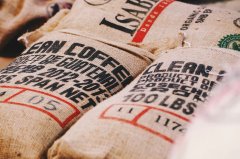
- Packaging: Jamaica remains one of the last countries to use traditional wooden barrels (15kg, 45kg, and 70kg) for exporting green coffee.
Every lot is certified by the Jamaica Coffee Industry Board. Only after passing rigorous inspection can coffee be legally labeled as Jamaica Blue Mountain. These rules ensure consistency and protect the integrity of the name—rules that other regions often sidestep in pursuit of volume or profit.
Why Blue Mountain Coffee Tastes Different
If you’ve had Blue Mountain Coffee, you’ll notice it doesn’t lean toward bright acidity or heavy body like other single origins. Instead, it offers a rare balance: soft acidity, medium body, and a smooth, sweet profile with notes of nuts, chocolate, caramel, and subtle fruit. Many coffee professionals describe it as the ‘perfectly balanced’ cup—easy to enjoy black, without harsh edges or jarring tones. Its low caffeine content also appeals to health-conscious drinkers.
Frequently Asked Questions
What altitude is required for coffee to be called Blue Mountain Coffee?
To be called Jamaica Blue Mountain Coffee, the coffee must be grown at elevations of 1800 meters or higher. Some coffee enthusiasts insist that only beans grown at the peak—2256 meters—are truly Blue Mountain, though the official minimum is 1800 meters.
Why does Blue Mountain Coffee have such low caffeine?
Blue Mountain Coffee naturally contains less than half the caffeine of most other coffee varieties. While the exact reason involves genetics and growing conditions, the low caffeine contributes to its smooth, easy-drinking profile and aligns with modern preferences for lower-caffeine options.
What makes the Blue Mountain climate different from other coffee-growing regions?
The Blue Mountains experience daily cloud cover, consistent rainfall, large temperature swings between day and night, and rich volcanic soil—all at high elevations. This combination slows cherry development, enhances sugar accumulation, and protects the trees, resulting in a uniquely balanced cup.
Is all coffee from Jamaica Blue Mountain Coffee?
No. Only coffee grown at 1800+ meters in the designated Blue Mountain region of Jamaica and certified by the Jamaica Coffee Industry Board can be called Blue Mountain Coffee. Lower-altitude Jamaican coffees are classified as Jamaica High Mountain Coffee and are a different product.
How is Blue Mountain Coffee processed differently?
Blue Mountain Coffee is picked by hand, then processed using strictly regulated washing and drying methods. Every stage—from harvest to export—is governed by detailed standards set by the Jamaica Coffee Industry Board to maintain quality and authenticity.
Can Blue Mountain Coffee be grown elsewhere?
No. Even when the same coffee varietals are planted in similar climates—such as Hawaii, Kenya, or Papua New Guinea—they do not produce the same flavor profile. The unique combination of Jamaica’s terroir, microclimate, and strict practices makes Blue Mountain Coffee impossible to replicate.
Recommended FrontStreet Beans for Blue Mountain Fans
For fans of Blue Mountain Coffee’s balanced profile, try FrontStreet Coffee’s Jamaica Blue Mountain No.1, celebrated for its smooth texture, low acidity, and notes of nuts, chocolate, and caramel. Also consider their Yirgacheffe for bright sweetness and floral lift, or Panama Humbera for delicate fruit and floral complexity. All offer refined profiles akin to Blue Mountain’s elegance. Freshly roasted within 5 days · Orders placed before 17:00 ship the same day · Next-day delivery across most of Guangdong Province.
FrontStreet Coffee is a long-established specialty coffee roaster in Guangzhou China, selling freshly roasted beans from its own farm in Yunnan as well as dozens of carefully selected single-origin beans from around the world for both pour-over and espresso. The products deliver consistently excellent quality and great value, with shipping within 24 hours. Guangzhou's FrontStreet Coffee shop is recommended by many coffee lovers, and the beans are now available online at the Tmall 。
Important Notice :
前街咖啡 FrontStreet Coffee has moved to new addredd:
FrontStreet Coffee Address: 315,Donghua East Road,GuangZhou
Tel:020 38364473