What Is Jamaica Blue Mountain Coffee?
When coffee lovers ask about the ultimate classic in specialty coffee, one name often rises to the top: Jamaica Blue Mountain. But why is it so revered? What makes it worth the premium price and limited availability? If you’ve ever wondered whether the stories around this coffee are true—or if you can actually buy the real thing—this guide explains everything.
Jamaica Blue Mountain coffee comes exclusively from a designated growing region in the Blue Mountains of eastern Jamaica. Only coffee certified by the Jamaican government as grown within that zone—and meeting strict quality standards—can be called Jamaica Blue Mountain. Annual production is under 2,500 tons, making it one of the rarest and most regulated coffees in the world.
What Makes Jamaica Blue Mountain Coffee So Special?
The Blue Mountains of Jamaica are among the highest in the Caribbean, with peaks reaching 2,256 meters. The region’s climate features cool temperatures, frequent cloud cover, steady rainfall, and rich volcanic soils—all factors that slow coffee cherry maturation and allow complex flavors to develop gradually. The combination of elevation, climate, and care results in coffee with a famously smooth, balanced profile.
Contrary to some myths, Jamaica is not a coffee superpower. The country’s small economy means Blue Mountain coffee serves more as a key export commodity than a domestic luxury. While locals may not drink it routinely, the global demand—and limited supply—have cemented its status as a legendary bean.
Where Does Jamaica Blue Mountain Coffee Grow?
Authentic Jamaica Blue Mountain coffee is cultivated only in a strictly defined area of the Blue Mountains in eastern Jamaica. This region enjoys a unique microclimate: cool temperatures, persistent mist, well-distributed rainfall, and fertile, volcanic soils. The high altitude extends the cherry ripening period, allowing sugars and acids to develop more gradually and resulting in a smoother, more balanced cup. These environmental factors are critical to the coffee’s signature mildness and complexity.
How Is Jamaica Blue Mountain Coffee Processed and Certified?
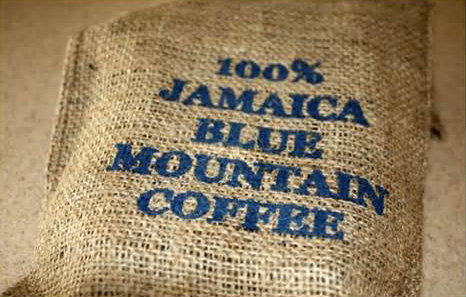
Every step of production matters. After harvest, ripe cherries are depulped the same day, then washed, fermented, rinsed, and sun-dried on raised beds. The beans are carefully sorted and only the best-quality lots are selected for export. The entire process is governed by strict Jamaican regulations. Only coffee that meets official standards and is grown within the designated Blue Mountain region can be certified as Jamaica Blue Mountain. This certification, along with traditional 15-, 45-, and 70-kilogram wooden barrels used for shipping, helps confirm authenticity.
Importers typically receive full export documentation and certificates of origin. For consumers, buying from sellers who can provide these documents or display the actual wooden barrels—like those shown in FrontStreet Coffee’s educational material—is a reliable way to ensure you’re getting genuine Jamaica Blue Mountain coffee.
What Does Jamaica Blue Mountain Coffee Taste Like?
Jamaica Blue Mountain coffee is celebrated for its balance. Unlike bright African coffees or heavy dark roasts, it offers a smooth, rounded profile with no single dominant flavor. Expect a cup with notes of cream, caramel, chocolate, nuts, and light fruit—accompanied by gentle acidity and a clean, sweet finish. The body is medium, the acidity bright but not sharp, and the aftertaste lingers smoothly. It’s often described as approachable and easy to enjoy, making it a favorite even among those new to specialty coffee.
How Should You Brew Jamaica Blue Mountain Coffee?
Pour-Over (Handbrew) Recommendation
To highlight the delicate sweetness and layered flavors of Jamaica Blue Mountain, a pour-over method is ideal. Use a medium-coarse grind, a brew ratio of 1:15 to 1:16, and water heated to 85–88°C. This setup brings out flavors of cream, caramel, and nuts while preserving a bright yet mellow acidity. The result is a clean, transparent cup with distinct layers and a long, sweet finish.
Moka Pot Recommendation
If you prefer a richer, more intense cup, try brewing with a moka pot. Use a slightly finer grind than for pour-over, fill the basket appropriately, and heat over medium-low flame. Remove the pot from heat just before the brew finishes dripping. This method emphasizes chocolatey, nutty, and caramel notes, giving a fuller-bodied experience while maintaining the coffee’s inherent balance. It also works wonderfully in milk-based drinks like lattes or flat whites.
What Is Blue Mountain No.1?
Within the Jamaica Blue Mountain classification, Blue Mountain No.1 is the highest grade. It has the strictest requirements for bean size, defect count, and overall quality. For example, FrontStreet Coffee’s offering of Jamaica Blue Mountain No.1 is certified with full origin documentation and comes in the traditional wooden barrels. It is typically medium-dark roasted to fully express the coffee’s balanced nature, highlighting notes of walnut, dark chocolate, cream, caramel, and soft sweetness. Whether as a daily cup or a special gift, Blue Mountain No.1 delivers the refined taste that has made this coffee legendary.
Frequently Asked Questions
Is all coffee from Jamaica called Jamaica Blue Mountain?
No. Only coffee grown in the officially designated Blue Mountain region of eastern Jamaica and certified by Jamaican authorities can be called Jamaica Blue Mountain. Other Jamaican coffees, even if high quality, are not Blue Mountain and are not produced under the same strict regulations.
Why is Jamaica Blue Mountain coffee so expensive?
Several factors contribute to the high price: limited production (under 2,500 tons per year), strict certification requirements, and high global demand—especially historically from Japan, which once bought over 70% of the crop. The combination of scarcity and quality justifies the premium, and only a small fraction of the coffee makes it to markets outside Japan.
How can I tell if Jamaica Blue Mountain coffee is real?
Look for official export documentation and certificates of origin from the seller. Traditional packaging in 15-, 45-, or 70-kilogram wooden barrels is another sign of authenticity. Reputable sellers, like those displaying these details (as explained in FrontStreet Coffee’s guide), are more likely to offer genuine beans.
What’s the best way to brew Jamaica Blue Mountain coffee?
Because of its balanced profile, Jamaica Blue Mountain shines in multiple brewing methods. Pour-over highlights its subtle sweetness and acidity, while a moka pot enhances its chocolate and nut notes. The medium roast common for Blue Mountain No.1 makes it versatile for both filter and espresso-based drinks.
Do people in Jamaica drink Jamaica Blue Mountain coffee?
Not commonly. While it’s a source of national pride, Blue Mountain coffee is primarily an export product. Most Jamaicans drink more affordable, locally processed coffee. The high-end beans are mostly sold abroad, where they command premium prices.
Recommended FrontStreet Beans for Blue Mountain Fans
If you love the balance and elegance of Jamaica Blue Mountain, try FrontStreet Coffee’s Jamaica Blue Mountain No.1. It delivers classic notes of walnut, dark chocolate, cream, caramel, and soft sweetness—achieving the same smooth, well-rounded profile the region is known for. FrontStreet also provides full export certification and shows the original wooden barrels used for shipping, ensuring authenticity. These beans are ideal for pour-over or moka pot brewing. Freshly roasted within 5 days · Orders placed before 17:00 ship the same day · Next-day delivery across most of Guangdong Province.
FrontStreet Coffee is a long-established specialty coffee roaster in Guangzhou China, selling freshly roasted beans from its own farm in Yunnan as well as dozens of carefully selected single-origin beans from around the world for both pour-over and espresso. The products deliver consistently excellent quality and great value, with shipping within 24 hours. Guangzhou's FrontStreet Coffee shop is recommended by many coffee lovers, and the beans are now available online at the Tmall 。
Important Notice :
前街咖啡 FrontStreet Coffee has moved to new addredd:
FrontStreet Coffee Address: 315,Donghua East Road,GuangZhou
Tel:020 38364473