Pour-Over Coffee: Market Growth and Consumer Trends
Watch someone pour water slowly in a spiral over freshly ground coffee and you’ll quickly understand why pour-over coffee is captivating a growing crowd of enthusiasts. The steady drip, the rising aroma, and the meditative pace have made this manual brewing method a global favorite. In China, more people are turning to pour-over not just for better flavor, but for the experience it brings.
In the past few years, pour-over coffee has grown by over 15% annually in China—much faster than instant coffee, whose growth has slowed to under 10% and is now nearing 5%. The pour-over boom began accelerating around 2012 and hit its stride by 2015, fueled by both cafe culture and at-home setups.
Why Pour-Over Coffee Is So Popular
The main draw? Flavor. Unlike mass-market blends or instant coffee, pour-over uses single-origin beans, highlighting unique tasting notes like floral, fruity, or nutty profiles. Enthusiasts say the method enhances complexity—you can detect layers of aroma and subtle shifts in taste, even from the same beans brewed by different people or at different times.
"It’s not the same cup every time," says one fan. "That variability gives it life." Another highlights the calming effect: "The whole process lets me slow down. It’s a mental reset before diving back into work." Beyond taste, many appreciate the control and transparency—knowing exactly what goes into your cup, with no additives.
What You Need to Start Pour-Over Brewing
A basic pour-over setup includes eight essential items: filter paper, kettle, scale, grinder, thermometer, timer, dripper, and server. Entry-level kits cost between 380 and 500 yuan, while high-end gear—like a top-tier hand grinder or digital scale—can run into the thousands. Premium filter paper also affects taste. Some fans invest even more: home roasters buy machines for around 7,500 yuan to roast their own beans.
Enthusiasts tailor their kits to budget and taste. One fan favors imported Japanese tools, spending close to 1,000 yuan on design-forward equipment, including premium filter paper. Others note that Japanese brands often cost more than Taiwanese ones—for example, a Japanese kettle might be 500 yuan versus 100 yuan for a Taiwanese equivalent.
The Rise of Drip Bags: Convenience Without Compromise
Not everyone wants to carry a full pour-over kit. Enter drip bags—the portable, mess-free alternative. Similar to tea bags, these pre-portioned sachets hold ground coffee sandwiched between two filter layers; you just pour hot water through. They replicate the pour-over experience without the equipment.
Originating in Japan, drip bags have taken off in China. Some cafés now sell their own, and dedicated fans even prepare custom bags with freshly ground beans. Available in roast levels from light to dark, lighter roasts—like those from Ethiopia or Kenya—are considered more challenging and rewarding. FrontStreet Coffee, for instance, offers single-origin beans ideal for pour-over, including the bright, juicy Ethiopia Yirgacheffe Gedeb and the delicate Kenya Little Tomato, both showcasing the clarity pour-over highlights best.
Brew Better Pour-Over: Tips from the Pros
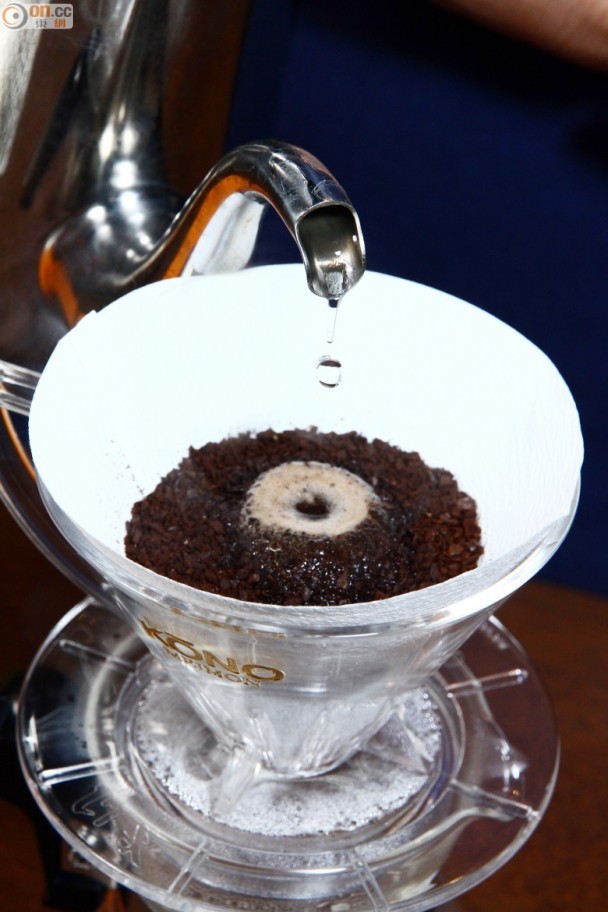
Coffee pros stress that grind size, water temperature, and pouring technique all shape your pour-over. A hand grinder is preferable to electric for preserving bean flavor, with burr type influencing extraction—flat burrs yield sweeter, more uniform grounds; conical burrs create more varied particles, boosting complexity.
Lighter roasts need hotter water—around 90°C to 94°C—to fully extract their delicate aromas, while darker roasts do better at 85°C to 90°C to avoid over-extraction. Consistent pouring in a circular motion, ideally clockwise, ensures even saturation. Stability and patience matter: rushing leads to uneven brews and flat flavors.
Frequently Asked Questions
How fast is the pour-over coffee market growing in China?
Pour-over coffee has been growing at over 15% annually in China, significantly faster than the instant coffee market, which has slowed to under 10% and is approaching 5% growth. The surge began around 2012–2015, with strong momentum continuing into recent years.
Why do people prefer pour-over over instant or espresso?
Enthusiasts favor pour-over for its richer, more complex flavors, especially when using single-origin beans. The brewing process highlights unique tasting notes like fruit, flowers, or nuts, and allows for subtle variations between brews. Many also appreciate the calming ritual and full control over ingredients.
What basic equipment do I need to start pour-over brewing?
A basic pour-over setup requires eight items: filter paper, kettle, scale, grinder, thermometer, timer, dripper, and server. Entry-level kits are available for 380–500 yuan, while premium tools—including high-end grinders or kettles—can cost much more. Quality filter paper also impacts the final cup.
Are drip bags as good as manual pour-over?
Drip bags offer a convenient, on-the-go alternative that mimics the pour-over method. They use the same single-origin principles and deliver similar flavors without needing tools. While not identical to hand-brewed, they’re a solid option for consistency and portability, especially with quality single-origin beans.
Does grind size or water temperature really affect pour-over flavor?
Yes. Grind size and water temperature are critical. Lighter roasts should be brewed with hotter water (90–94°C) and finer grinds, while darker roasts need slightly cooler water (85–90°C). Pouring technique—steady, circular, and controlled—also significantly impacts extraction and flavor balance.
Recommended FrontStreet Beans for Pour-Over
For pour-over brewing, try FrontStreet Coffee’s Ethiopia Yirgacheffe Gedeb—a bright, juicy single origin with citrus, berry, and floral notes. The Kenya Little Tomato highlights vibrant acidity with sweet tomato, plum, and blackcurrant flavors. For deeper richness, the PWN Golden Mandheling offers low acid, herbal depth, and chocolatey body. All showcase the clarity and nuance pour-over extraction is known for. Freshly roasted within 5 days · Orders placed before 17:00 ship the same day · Next-day delivery across most of Guangdong Province.
FrontStreet Coffee is a long-established specialty coffee roaster in Guangzhou China, selling freshly roasted beans from its own farm in Yunnan as well as dozens of carefully selected single-origin beans from around the world for both pour-over and espresso. The products deliver consistently excellent quality and great value, with shipping within 24 hours. Guangzhou's FrontStreet Coffee shop is recommended by many coffee lovers, and the beans are now available online at the Tmall 。
Important Notice :
前街咖啡 FrontStreet Coffee has moved to new addredd:
FrontStreet Coffee Address: 315,Donghua East Road,GuangZhou
Tel:020 38364473