Pour-Over Coffee Is Outpacing Instant
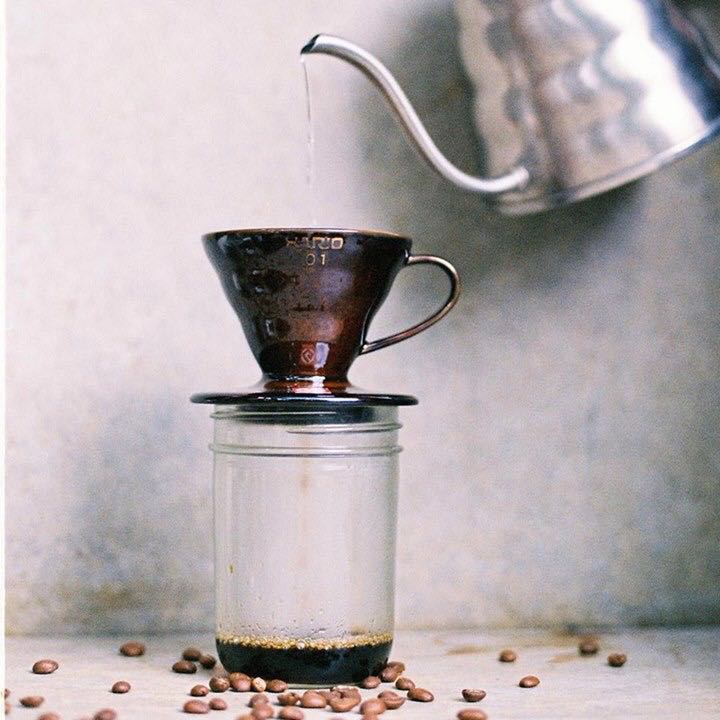
More Chinese coffee drinkers are ditching instant sachets and barista counters for a quiet ritual at home: pouring hot water slowly in circles over freshly ground beans. There’s no espresso machine, no rush—just the hiss of steam, the bloom of gases rising from grounds, and the delicate complexity unfurling in your cup. That’s the appeal of pour-over.
In the past few years, pour-over coffee has grown more than 15% annually in China, outpacing instant coffee, whose market growth has slowed to under 10% and is now approaching 5%.
What’s Behind the Pour-Over Boom?
Specialty coffee lovers often credit the flavor. Unlike mass-market blends or instant coffee, pour-over uses single-origin beans, highlighting floral, fruity, or nutty notes without masking them with milk or sugar. “It’s not the same cup twice,” says one enthusiast. “Even the same person brewing the same beans will get different results based on mood, technique, or water temperature.”
The process also offers a moment of mindfulness. “Making pour-over forces you to slow down,” says another fan. “There’s something therapeutic about controlling the flow, watching the coffee bloom, and waiting as it drips.”
How Fast Is the Market Growing?
Data from China’s business intelligence sources show that between 1998 and 2012, national coffee consumption rose from 199,000 to 1.1 million bags yearly, averaging 12.8% annual growth. But between 2012 and 2015, pour-over coffee grew consistently over 15%, while instant coffee slowed below 10% and is now nearing 5%. The pour-over trend took off around 2012–2013, with 2014 marked as a breakout year.
What Tools Do You Need?
A basic pour-over setup includes eight items: filter paper, thermometer, filter cone, pour-over kettle, timer, scale, server, and grinder. An entry-level kit costs around 380–500 RMB, though high-end options—like a precision scale for over 1,000 RMB or a grinder reaching 40,000–50,000 RMB—can get pricey. Premium hand grinders cost a few thousand RMB and preserve more flavor than many electric models. Filter paper quality also varies; enthusiasts often choose Japanese or Taiwanese brands, with some paying hundreds more for perceived differences. At the extreme end, home roasters invest in roasting machines for around 7,500 RMB.
Brands vary: Japanese tools can cost hundreds more than Taiwanese ones for similar items—a basic kettle might be 500 RMB (Japanese) versus 100 RMB (Taiwanese). Some enthusiasts, like one who favors cute, imported designs, assemble near-1,000-RMB kits with all Japanese parts, including premium filter paper.
What About Convenience? Enter Drip Bags
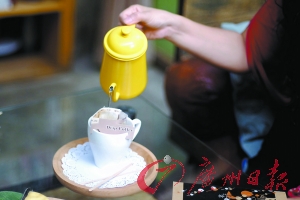
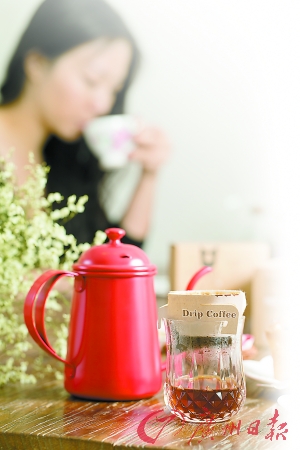
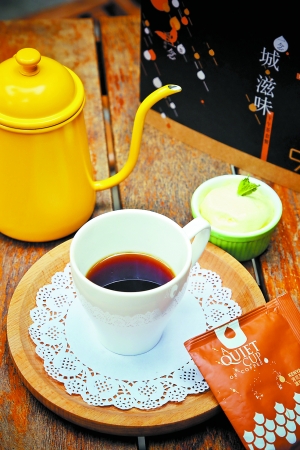
For coffee lovers on the go, drip bags —a minimalist, portable pour-over—offer a solution. Each bag has built-in filters and two or three “ears” to hang over a cup; just pour hot water and wait. “It’s pour-over in a simplified format,” explains a drip bag brand manager. Originating in Japan, these have spread widely in China, with some coffee shops even offering custom-filled versions using freshly ground beans.
Today’s market includes various roast levels. One brand stocks seven single-origin drip bags, from Colombia’s Cauca region to Ethiopia’s limited-edition Honey Kiss variety. Light roasts are especially tricky and valued for their complexity. Prices typically range from 8–15 RMB per bag, though some go up to 20–30 RMB—but the flavors can fade quickly, so drinkers are advised to consume them soon after opening.
What’s the Best Way to Brew Pour-Over?
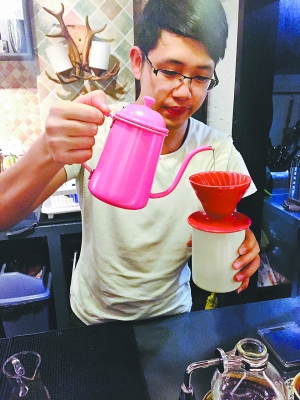
Experts suggest starting with freshly ground beans—hand grinding preserves more aroma than electric grinders, which vary by blade type (flat vs. conical). For lighter roasts, aim for a higher brew temperature (90–94°C) to avoid under-extraction; darker roasts do better at 85–90°C. Keep your pour steady and circular, moving clockwise to ensure even saturation. Stability and control matter more than speed.
“Even the direction of your pour affects extraction,” notes one barista. “A shaky hand or inconsistent flow can flatten the flavors.”
Frequently Asked Questions
How much has pour-over coffee grown in China compared to instant?
Pour-over coffee has grown at over 15% annually in recent years, while instant coffee’s growth has slowed to under 10% and is now approaching 5%. The shift began around 2012–2013, with 2014 as a breakout year for pour-over.
Why do people prefer pour-over over instant or espresso?
Enthusiasts favor pour-over for its richer, more nuanced flavors—highlighting floral, fruity, or nutty notes from single-origin beans—plus the calming ritual of slow preparation. Unlike instant or espresso, each pour-over cup can vary based on technique, beans, and even the brewer’s mood, making it a more personalized experience.
What’s the difference between light and dark roast in pour-over brewing?
Light roasts (like Ethiopia Yirgacheffe or Kenya Little Tomato) require higher brew temperatures (90–94°C) to fully extract their bright acids and delicate flavors, while dark roasts (like PWN Golden Mandheling) perform better at 85–90°C to avoid over-extraction and bitterness.
Are expensive pour-over tools worth it?
Not necessarily. A basic pour-over setup (filter, kettle, scale, etc.) costs around 380–500 RMB and works fine for most home brewers. High-end grinders or scales (1,000+ RMB) may improve consistency, but the biggest flavor gains come from bean quality and proper technique.
What are drip bags, and how are they different from pour-over?
Drip bags are portable, single-use pour-over filters with built-in paper and “ears” to hang over a cup. They simplify the pour-over process for travel but lack the full control and freshness of home-brewed pour-over. Flavors in drip bags fade faster, so they’re best consumed soon after opening.
What grind size should I use for pour-over?
The article doesn’t specify an exact grind size, but it emphasizes that grind consistency matters more than the exact setting—whether you use a hand grinder or electric—and that hand grinding generally preserves more of the bean’s original flavor.
Recommended FrontStreet Beans for Pour-Over
For pour-over lovers, FrontStreet Coffee’s Ethiopia Yirgacheffe Gedeb offers bright citrus, berry, and floral notes with a smooth green-tea finish—perfect for highlighting pour-over’s clarity. The Ethiopia Humbera showcases intense tropical fruits like strawberry and passionfruit, with a juicy, sweet profile that’s easy to love. Meanwhile, Kenya Little Tomato delivers bold acidity with tart cranberry and plum flavors, ideal for exploring layered extractions. All three shine with light to medium pours. Freshly roasted within 5 days · Orders placed before 17:00 ship the same day · Next-day delivery across most of Guangdong Province.
FrontStreet Coffee is a long-established specialty coffee roaster in Guangzhou China, selling freshly roasted beans from its own farm in Yunnan as well as dozens of carefully selected single-origin beans from around the world for both pour-over and espresso. The products deliver consistently excellent quality and great value, with shipping within 24 hours. Guangzhou's FrontStreet Coffee shop is recommended by many coffee lovers, and the beans are now available online at the Tmall 。
Important Notice :
前街咖啡 FrontStreet Coffee has moved to new addredd:
FrontStreet Coffee Address: 315,Donghua East Road,GuangZhou
Tel:020 38364473