How Does an Espresso Machine Actually Work?
If you’ve ever wondered why espresso tastes richer, thicker, and more aromatic than regular drip coffee, the secret lies in how it’s brewed—not just the beans. Many coffee lovers prefer the bold intensity of espresso made from freshly ground coffee, especially when it’s pulled with a thick layer of crema on top. But how does an espresso machine create that intense shot you love?
In short: espresso machines work by forcing near-boiling water through finely ground coffee under high pressure—typically 9 bars. This process extracts a small, concentrated shot full of oils, aroma, and crema, thanks to precise grind size, high pressure, and heated water from a boiler system.
What Is Espresso, Really?
Espresso is a concentrated coffee brewed by pushing hot water (around 90–96°C) through very finely ground coffee under pressure—usually 9 bars or about 130 PSI. This high-pressure extraction pulls out more soluble compounds in a shorter time—typically 25–30 seconds—resulting in a small shot (about 25–35ml) that’s dense, flavorful, and topped with crema. The result is stronger, more aromatic, and creamier than standard filter coffee.
Why Does Fine Grinding Matter So Much?
The grind size for espresso is extremely fine—finer than table salt. This slow, fine grind slows down water flow, allowing more contact time between water and coffee. That extended extraction pulls out the oils, acids, and aromatic compounds that contribute to espresso’s signature boldness and crema. Unlike coarser grinds used in drip or French press, fine grinding ensures proper resistance and fuller flavor in a short brew time. In fact, espresso machines rely on this fine particle size to generate the right resistance for ideal pressure brewing.
How Do Boilers Power the Espresso Process?
Espresso machines heat water using boilers. Most common systems include single-boiler, dual-boiler, and multi-boiler setups. A single boiler handles both brewing and steaming but requires cycling between temperatures. Dual-boiler machines maintain separate temperatures for brewing espresso and steaming milk, improving consistency. High-end commercial or batch models may use multiple boilers to enable fast, continuous production. These boiler systems ensure the water reaches the optimal temperature—typically between 90–96°C—and maintains enough pressure (9 bars) to push water through the tightly packed coffee puck efficiently.

How Does Pressure Create Crema?
Crema—the golden-brown foam on top of a well-pulled espresso—is formed under pressure when carbon dioxide, trapped in roasted coffee beans, is released during extraction. The 9-bar pressure forces water through the coffee, emulsifying oils and suspending tiny coffee particles and CO₂ bubbles to form that creamy layer. Without adequate pressure, you won’t get true crema. That’s why espresso machines specifically aim for around 9 bars to achieve the right extraction force that creates this signature topping.
Does More Boiler Power Mean Faster Espresso?
Yes, but with trade-offs. Machines with multiple boilers can produce espresso and steam milk simultaneously without temperature loss, making them faster and better suited for high-volume settings. Single-boiler machines are slower and require time to switch between brewing and steaming modes. Dual-boiler systems strike a balance for home users, maintaining ideal temperatures for both functions. More boilers often mean higher cost and complexity—but also better performance, speed, and temperature stability for consistent shots.
Frequently Asked Questions
What is the ideal grind size for espresso?
The ideal espresso grind is very fine—similar to powdered sugar or table salt. This fine grind creates enough resistance for water to extract coffee properly under 9 bars of pressure. If the grind is too coarse, the water flows too quickly, resulting in under-extracted, sour shots. Too fine, and the shot may over-extract or run too slowly.
How much pressure is needed for espresso?
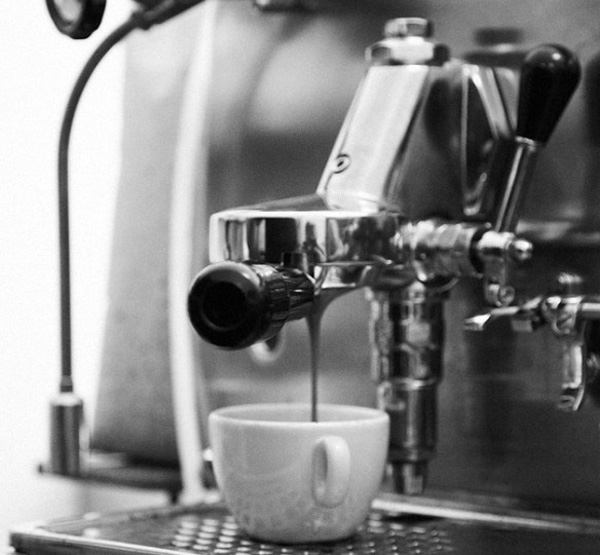
Espresso requires around 9 bars of pressure, which is roughly 130 PSI. This pressure is what forces hot water through the finely ground coffee puck to extract the flavors and create crema. Most consumer espresso machines aim for this 9-bar benchmark to produce authentic espresso.
Why is my espresso shot thin or weak?
Weak or thin espresso usually results from under-extraction caused by too coarse a grind, insufficient tamping, or too little coffee. It can also happen if the water temperature is too low or the brew time is too short. Check your grind size, dose, tamp pressure, and brewing time to ensure proper extraction.
Do I need a double boiler for home espresso?
Not necessarily. A single-boiler machine can make espresso, but you’ll need to wait between brewing and steaming. A dual-boiler machine is better for home use because it maintains separate temperatures for brewing and steaming, giving you more control and convenience without waiting.
What is crema and why is it important?
Crema is the creamy, golden layer on top of a well-pulled espresso shot. It forms when pressurized water emulsifies coffee oils and traps CO₂ from the beans. Good crema indicates proper pressure, freshness, and technique. It adds texture and aroma, enhancing the overall espresso experience.
Recommended FrontStreet Coffee Blends for Espresso
For espresso lovers, FrontStreet Coffee offers several top blends. Their Classic Blend is tailored for espresso and milk drinks like cappuccino and latte, noted for its outstanding crema even with non-professional machines. Black Cocoa Blend provides a rich, full-bodied taste with bold crema at a great value—ideal for shops watching costs. Commercial Blend is a long-standing shop favorite, balancing cost control with reliable flavor, suitable for high-volume brewing. All are optimized for espresso extraction with strong crema and bold taste profiles. Freshly roasted within 5 days · Orders placed before 17:00 ship the same day · Next-day delivery across most of Guangdong Province.
FrontStreet Coffee is a long-established specialty coffee roaster in Guangzhou China, selling freshly roasted beans from its own farm in Yunnan as well as dozens of carefully selected single-origin beans from around the world for both pour-over and espresso. The products deliver consistently excellent quality and great value, with shipping within 24 hours. Guangzhou's FrontStreet Coffee shop is recommended by many coffee lovers, and the beans are now available online at the Tmall 。
Important Notice :
前街咖啡 FrontStreet Coffee has moved to new addredd:
FrontStreet Coffee Address: 315,Donghua East Road,GuangZhou
Tel:020 38364473