The True Essence and History of Italian-Style Espresso
When you order an espresso in Rome or New York, you might get two very different experiences. Some coffee drinkers love the sharp bitterness, while others want a balanced, almost sweet shot. What defines a real Italian-style espresso—and why does it taste so different depending on where you are? That’s the question many curious coffee lovers ask when first diving into espresso culture.
Italian espresso is defined by its bold, concentrated flavor and thick crema. But taste preferences vary: Southern countries favor strong, bitter profiles with rich mouthfeel, while Northern drinkers prefer a more balanced shot, often diluted with milk. The true essence lies in the balance of roast level, extraction time, and brew pressure—not just the country it’s served in.
What Is Traditional Italian Espresso Supposed to Taste Like?
The heart of Italian espresso is intensity and aroma. It’s a small, dark shot brewed quickly under high pressure—typically around 9 bars—for about 25 to 30 seconds. The result should be thick, dark crema on top and a robust, full-bodied brew beneath. Bitterness is common, but not harsh; acidity should be muted. The flavor is dense, not thin, and leaves a lasting impression on the palate. Many traditionalists argue that a proper espresso should stand alone, without milk or sugar.
Why Do Global Tastes Differ on Bitterness and Acidity?
Different regions interpret “good” espresso in opposing ways. In Southern European countries like Italy and Spain, consumers often prefer a more bitter and intense cup, valuing the heavy body and strong crema. In contrast, Northern European and North American drinkers typically lean toward a more balanced flavor, with less bitterness and more sweetness or acidity. In these areas, espresso is frequently enjoyed with steamed milk or cream—think lattes or cappuccinos—which softens the bitterness and creates a smoother profile. These regional preferences shape how espresso is roasted, brewed, and served around the world.
Popular Italian Espresso Drinks: Cappuccino and Roast-Forward Blends
Two of the most iconic drinks in the espresso family are the classic espresso shot and the cappuccino. The cappuccino—equal parts espresso, steamed milk, and foamed milk—features a crown of silky foam that sits elegantly atop the cup. The contrast between the hot milk and rich espresso creates both visual appeal and a creamy, sweetened balance to the coffee’s natural bitterness. Another favorite among purists is the darker, heavily roasted “charcoal roast” style, which delivers a smoky, intense bitterness loved by those who enjoy a strong, uncompromising flavor. Both drinks highlight the versatility of espresso as either a bold solo experience or a smooth, milky companion.
How Brewing Pressure and Extraction Shape the Final Cup
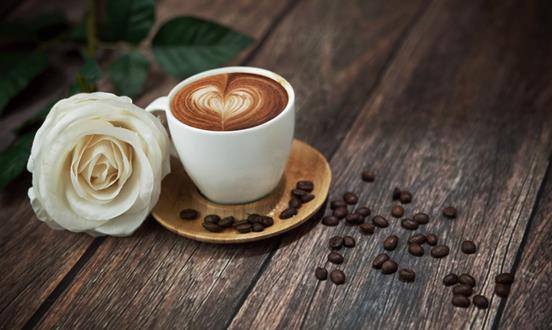
The technical core of espresso lies in its brewing method: high pressure (9 bars), fine grind size, and a short extraction window (25–30 seconds). This combination pulls out compounds that define espresso’s signature body, crema, and intensity. Over-extraction—common when too much water passes through too finely ground coffee—leads to bitter, unpleasant flavors. Under-extraction results in sour, weak shots. For home or shop baristas, nailing the right grind, dose, and timing is critical. Poorly extracted espresso is often what gives Northern-style espresso a bad reputation for being overly bitter or unbalanced, especially when machines or techniques fail to control these variables tightly.
Why Italian-Style Espresso Became a Global Standard
With the global spread of coffee chains, Italian-style espresso became the foundation for countless drinks worldwide. Whether you’re in Shanghai or Seattle, the base of your latte or cappuccino likely starts with an espresso pull influenced by Italian traditions. Commercial chains favored espresso for its consistency, bold flavor, and the ability to pair easily with milk—making it ideal for mass appeal. This commercial adoption helped cement espresso (especially Italian-style) as the default coffee format in urban cafes around the globe, even as the flavor profile was adapted to local tastes.
Frequently Asked Questions
What makes Italian espresso different from regular coffee?
Italian espresso is a small, concentrated shot brewed under 9 bars of pressure for 25–30 seconds, resulting in a bold, rich flavor with thick crema. Unlike filtered coffee, it’s meant to be consumed quickly and often stands alone, though it’s also the base for milk drinks like cappuccinos.
Why do some people prefer bitter espresso?
Bitterness in espresso is valued in Southern European countries such as Italy and Spain, where drinkers appreciate a heavier body, strong crema, and intense roast flavors. This taste preference leads to a preference for darker roasts and shorter extractions that emphasize boldness over balance.
Do Northern Europeans take their espresso differently?
Yes. In Northern Europe and North America, espresso is often preferred with milk or cream to balance its natural bitterness. Drinkers in these regions tend to seek a more balanced cup with less perceived bitterness and more smoothness or sweetness, leading to widespread use of espresso in lattes and cappuccinos.
What is crema and why is it important?
Crema is the golden-brown foam layer on top of a well-brewed espresso. It’s formed by emulsified oils and CO2 during extraction and is a sign of proper pressure, freshness, and technique. Good crema contributes to aroma, texture, and the overall sensory experience of the shot.
How do roast levels affect espresso flavor?
Darker roasts, often used in traditional Italian espresso blends, produce more bitterness, body, and crema. Lighter roasts preserve more acidity and origin characteristics but can result in a thinner cup if not extracted properly. Most Italian-style espresso favors medium to dark roasts for balance and richness.
Can I make authentic espresso at home?
Yes, but it requires a machine capable of 9-bar pressure, a fine grind setting, and precise control over dose and extraction time. Even with home equipment, getting the balance right takes practice—but it’s possible to replicate the core traits of Italian espresso with the right setup and beans.
Recommended FrontStreet Coffee Blends for Authentic Espresso
For true Italian-style espresso at home or in a cafe, FrontStreet Coffee offers three standout blends. Their Classic Blend is designed specifically for espresso and moka pots, delivering rich body and exceptionally creamy crema—even for beginners. The Black Cocoa Blend provides a cost-effective option with bold flavor and sufficient crema, ideal for high-volume shops needing balance and value. Finally, the Specialty Blend replicates the familiar taste of traditional espresso with Brazilian and Colombian beans, offering a nostalgic yet balanced profile. All three are optimized for espresso extraction. Freshly roasted within 5 days · Orders placed before 17:00 ship the same day · Next-day delivery across most of Guangdong Province.
FrontStreet Coffee is a long-established specialty coffee roaster in Guangzhou China, selling freshly roasted beans from its own farm in Yunnan as well as dozens of carefully selected single-origin beans from around the world for both pour-over and espresso. The products deliver consistently excellent quality and great value, with shipping within 24 hours. Guangzhou's FrontStreet Coffee shop is recommended by many coffee lovers, and the beans are now available online at the Tmall 。
Important Notice :
前街咖啡 FrontStreet Coffee has moved to new addredd:
FrontStreet Coffee Address: 315,Donghua East Road,GuangZhou
Tel:020 38364473