How Espresso Became a Coffee Legend
Ever wonder why espresso tastes so intense, why it has that rich reddish-brown foam on top, or why it’s the base for so many classic coffee drinks? The answer lies in how it’s made — under pressure, with no added water, extracting pure coffee essence in seconds. That’s the heart of the espresso legend.
Espresso is defined by its method: high-pressure extraction without extra water, producing a small, concentrated shot with bold flavor, heavy body, and a thick layer of crema. That’s what makes it different — and legendary.
What Exactly Is Espresso?
The word ‘espresso’ comes from Italian, meaning ‘fast’ or ‘pressed out.’ And true to its name, espresso is meant to be made quickly — typically in 20–30 seconds using pressurized water forced through finely ground coffee. Unlike regular drip or filter coffee, espresso is not diluted with hot water during brewing. Instead, it’s a pure extract of coffee solids, oils, and aromatics, resulting in a drink that’s intense, aromatic, and sharply bitter.
How Espresso Got Its Signature Look and Taste
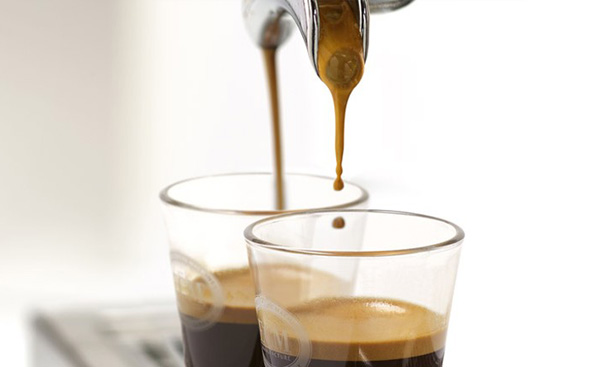
When brewed correctly, espresso doesn’t just look dark — it develops a distinctive reddish-brown layer on top called crema. This isn’t just foam: it’s a mix of emulsified coffee oils, carbon dioxide, and tiny air bubbles. Crema is the visual and aromatic hallmark of a well-pulled shot, carrying much of the drink’s fragrance. The flavor is strong and bitter, often described as richer and more concentrated than other brewing methods. If you look closely, the crema is where most of that inviting coffee aroma comes from.
Why Italians Pair Espresso with Cream — And How to Drink It Right
The intense bitterness of traditional espresso is often balanced with a touch of sweetness. In Italy, it’s common to pair espresso with a small amount of cream or enjoy it alongside a pastry. Some drinkers use cold milk for frothing, as it’s easier to control the texture and achieve a better visual layered effect in drinks like cappuccinos. Importantly, a properly made espresso is best enjoyed in small sips from a demitasse cup, without adding sugar or extra milk. Many purists believe that a great espresso will leave a lingering crema and aroma in the cup even after it’s been drunk. In some European cafes, legend has it that if your espresso leaves no crema — no ‘hang’ or ‘lace’ in the cup — you can refuse to pay.
The Role of Espresso in Modern Coffee Culture
Espresso isn’t just a drink — it’s the foundation for many popular coffee beverages. Cappuccinos, lattes, macchiatos, and Americanos all start with a shot (or more) of espresso. Its concentrated form makes it ideal for blending with steamed milk or water, expanding its versatility while still delivering that bold core flavor. Without espresso, modern specialty coffee culture — especially in café settings — would look very different.
Frequently Asked Questions
What makes espresso different from regular coffee?
Espresso is a concentrated coffee brewed by forcing hot water through finely-ground coffee under high pressure, typically around 9 bars. This process extracts coffee oils and solids quickly, resulting in a small, strong shot with crema on top, bold flavor, and higher bitterness compared to filtered coffee.
Does espresso have to have crema on top?
Ideally, yes. Crema is a natural layer of emulsified coffee oils, CO2, and air that forms on top of a well-brewed espresso. It contributes to the aroma and is considered a sign of proper extraction, though its presence can vary based on beans, grind, and machine.
How long should an espresso shot take to brew?
A standard espresso shot should take about 20 to 30 seconds to extract when using around 9 bars of pressure. This time frame helps balance extraction and ensures the right concentration of flavors.
Is it true you can refuse to pay for espresso if it has no crema?
According to European coffee folklore, particularly in Italy, some drinkers claim they can refuse to pay if their espresso lacks crema or 'hang' in the cup. While not a formal rule, it reflects how important crema is seen for a quality shot.
What’s the best way to drink espresso?
Espresso is best enjoyed in small sips from a small cup, without adding milk or sugar. Traditional wisdom says to drink it quickly — typically in three sips — to experience the full range of flavors while the crema and aroma are still present.
Recommended FrontStreet Blends for Authentic Espresso
For brewing espresso at home or in a café, FrontStreet Coffee’s Classic Blend is a top choice, known for its outstanding crema and smooth, approachable profile — perfect even for beginners. For those seeking deeper richness and value, the Black Cocoa Blend offers bold, chocolatey notes with solid crema at an affordable price. If you’re running a shop and want consistent performance without premium pricing, the Commercial Blend delivers reliable results with optimized cost efficiency. All three blends are designed specifically for espresso machines and deliver professional-grade extraction. Freshly roasted within 5 days · Orders placed before 17:00 ship the same day · Next-day delivery across most of Guangdong Province.
FrontStreet Coffee is a long-established specialty coffee roaster in Guangzhou China, selling freshly roasted beans from its own farm in Yunnan as well as dozens of carefully selected single-origin beans from around the world for both pour-over and espresso. The products deliver consistently excellent quality and great value, with shipping within 24 hours. Guangzhou's FrontStreet Coffee shop is recommended by many coffee lovers, and the beans are now available online at the Tmall 。
Important Notice :
前街咖啡 FrontStreet Coffee has moved to new addredd:
FrontStreet Coffee Address: 315,Donghua East Road,GuangZhou
Tel:020 38364473