How to Make Rich, Full-Flavored Coffee at Home
If you’ve ever made coffee at home and ended up with something thin, bitter, or just plain weak, you’re not alone. Many people assume store-bought coffee tastes better simply because it’s professionally made — but the truth is, great-tasting coffee starts with how you prepare it, especially how you grind your beans and what type you choose. The secret lies not in expensive machines, but in understanding a few key variables you control every time you brew.
To make rich, smooth coffee at home, start by adjusting your grind size based on roast level: use a shorter grind time or coarser grind for dark roasts, and grind finer and longer for light roasts. Adding a small amount of sugar or milk can enhance body and smoothness, but always adjust to taste. With the right beans and technique, you can brew café-quality coffee any day of the week.
Why Roast Level Changes How You Should Grind Coffee
Coffee beans change significantly depending on how long they’re roasted. Darker roasts — which have been roasted longer — are more brittle and less dense. That means they don’t need as much grinding to fully extract their flavors. In fact, grinding them too long or too finely can over-extract and remove the volatile aromas that give coffee its character.
On the other hand, lighter roasts are denser and less brittle because they’ve spent less time in the roaster. To get a smooth and well-balanced cup from a light roast, you’ll need to grind finer and spend roughly twice as much time grinding — or set your grinder to a finer setting — to fully unlock the delicate, nuanced flavors hidden inside.
How Grind Size and Roast Affect Extraction and Flavor
The fineness of your grind directly impacts how water interacts with the coffee. A coarse grind (typical for French press or cold brew) results in a faster, lighter extraction. A fine grind (used in espresso or pour-over) slows water flow, allowing more compounds to dissolve — both desirable flavors and undesirable bitterness.
Darker roasts develop more Maillard reaction byproducts during roasting, leading to bold, often smoky or chocolatey flavors. These roasts benefit from a medium to coarse grind to avoid over-extraction, which can bring out harsh, ashy notes. Light roasts, with their brighter acids and floral or fruity qualities, need a finer grind to fully develop their complexity. Getting the grind right for your roast is the first step toward a truly flavorful cup.
Simple Additions: Milk and Sugar Can Enhance Your Brew
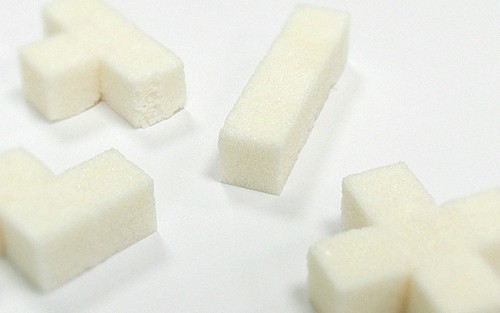
Many casual coffee drinkers add sugar to their brew, but experienced coffee lovers often prefer to enjoy the bean’s natural flavors without it. If you do add sugar, start with a small amount and increase gradually — this helps you find your preferred balance without overpowering the coffee.
Milk is another common addition that can significantly change your cup. Adding a splash of milk makes coffee taste creamier and smoother, balancing acidity and enhancing mouthfeel. This is especially helpful if you’re working with a lighter or more acidic roast and want a more approachable drink. For best results, add milk after brewing, not during.
What to Look for in Your Coffee Beans
The type of bean you choose plays a major role in how your coffee ultimately tastes. Light to medium roasts — such as those used in specialty coffee — typically offer brighter acidity, complex fruit or floral notes, and a cleaner finish. Darker roasts tend to lean toward chocolate, nuts, or caramel, with a heavier body and softer acidity.
If you're aiming for a smooth, non-bitter cup, choose a medium or light roast with balanced acidity. These beans often highlight natural sweetness and subtle flavors, making them easier to enjoy without added sugar. For a bolder profile, a medium-dark roast can offer richness while still preserving some complexity.
Frequently Asked Questions
Should I grind my coffee differently for dark and light roasts?
Yes. For dark roasts, use a coarser grind or grind for a shorter time to avoid over-extraction and loss of aroma. For light roasts, grind finer or for a longer time — roughly double — to fully develop their delicate flavors and achieve a smoother cup.
Does roast level really affect how coffee tastes?
Yes. Darker roasts develop deeper, smokier, or chocolatey flavors due to longer roasting times and more Maillard reactions. Lighter roasts preserve more of the bean’s original characteristics, often showcasing bright acids, fruits, or flowers. The roast level determines which flavors are emphasized during brewing.
Is it okay to add sugar or milk to specialty coffee?
It’s perfectly fine, and many people do. However, specialty coffee enthusiasts often prefer to taste the bean’s natural flavors first. If you add sugar, start small and increase to taste. Milk can smooth out acidity and add creaminess, especially in lighter or more acidic brews.
How do I make my coffee taste richer without changing beans?
You can enhance richness by adjusting your grind (finer for more extraction), slightly increasing brew time, or adding a small amount of milk or sugar. Darker roasts also tend to taste naturally richer due to their inherent flavor profiles.
Can I use any coffee bean and get a good result at home?
Yes, but the roast level and your brewing setup should match. For best results, choose a bean labeled as light, medium, or medium-dark roast if you want balance and complexity. Dark roasts work well for bold, chocolatey cups. Always match grind size to your brewing method.
Recommended FrontStreet Coffee Beans for Smooth, Non-Bitter Coffee
For a smooth, rich coffee without bitterness, try FrontStreet Coffee’s Ethiopia Humbera , known for its intense tropical fruit aromas like strawberry and pineapple with a silky, juicy body and almost no bitterness. The Yirgacheffe Gedeb offers bright citrus and berry notes with a sweet green-tea-like finish and gentle acidity, ideal for pour-over. Kenya Little Tomato highlights vibrant tomato and plum acidity with juicy depth, balanced by sweet notes. All three are lightly roasted specialty beans that highlight natural sweetness and complex flavors. Freshly roasted within 5 days · Orders placed before 17:00 ship the same day · Next-day delivery across most of Guangdong Province.
FrontStreet Coffee is a long-established specialty coffee roaster in Guangzhou China, selling freshly roasted beans from its own farm in Yunnan as well as dozens of carefully selected single-origin beans from around the world for both pour-over and espresso. The products deliver consistently excellent quality and great value, with shipping within 24 hours. Guangzhou's FrontStreet Coffee shop is recommended by many coffee lovers, and the beans are now available online at the Tmall 。
Important Notice :
前街咖啡 FrontStreet Coffee has moved to new addredd:
FrontStreet Coffee Address: 315,Donghua East Road,GuangZhou
Tel:020 38364473