Why Coffee Culture Has Endured for So Long
Ever wondered why coffee culture has lasted for centuries, surviving wars, trade routes, and shifting tastes? The answer isn’t just in the drink—it’s in how people adapted and revered it across continents. Whether as a battlefield stimulant or a religious alternative to alcohol, coffee’s role evolved dramatically. But how did it become the enduring global phenomenon we know today?
Coffee culture has endured for over a millennium due to its accidental discovery in Ethiopia, early medicinal use in Arabia, and strategic adoption across Islamic regions—followed by centuries of cultural integration in Europe and Asia. Its transformation from a stimulant for warriors to a daily ritual spans multiple continents and purposes.
The Accidental Discovery in Ethiopia
The earliest known origin of coffee dates back to the southwestern highlands of Ethiopia. According to legend, a fire in the region roasted wild coffee beans, releasing an appealing aroma. Villagers ground the scorched beans, mixed them with flour, and baked them into bread—the first recorded processing of coffee beyond consumption as fruit. This accidental roasting unveiled coffee’s aromatic potential and set the stage for its culinary evolution.
Early Uses: From Stimulant to Medicine
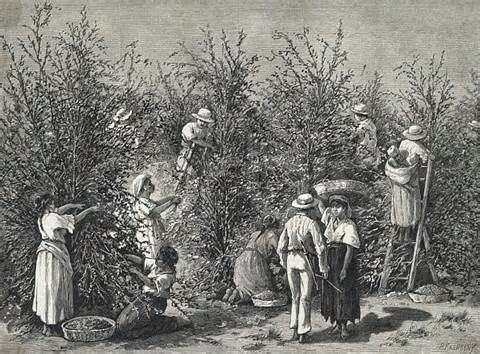
In Africa, indigenous tribes initially crushed coffee cherries, mixed them with animal fat, and formed them into energy-rich pellets for warriors. Though they didn’t understand its stimulating effects, the fruit’s energizing properties were highly valued. Meanwhile, in Arabia, coffee beans were sun-dried and boiled into a medicinal drink believed to aid digestion. Consumers later discovered its ability to boost alertness, marking the beginning of coffee’s reputation as a stimulant.
Arabia’s Monopoly and the Birth of Coffeehouses
For centuries, Arabia held a monopoly on coffee cultivation and trade. Revered as “black gold,” coffee became a vital social and religious substitute for alcohol under Islamic law, which prohibited drinking. Coffeehouses, known as qahveh khaneh, began emerging as centers of intellectual exchange. The drink’s spread accelerated after Muslim pilgrims carried coffee beans back from Mecca to Egypt, Turkey, and beyond. Even warfare played an unexpected role in spreading coffee culture across regions.
Coffee’s Journey to the East and Beyond
Long before Western adoption, coffee was already a widespread social drink in the East, consumed across various social strata. Though tea dominated China’s beverage culture initially, globalization and the influence of Chinese communities abroad gradually made coffee popular among Chinese youth. Cities like Shanghai and regions such as Yunnan have since begun cultivating coffee, indicating the potential for China to contribute meaningfully to global coffee culture.
Frequently Asked Questions
Where was coffee first discovered?
Coffee was first discovered in the southwestern highlands of Ethiopia, where a fire roasted wild beans, leading villagers to experiment with the aroma and eventually grind and bake them with flour.
How did early Africans use coffee?
Early African tribes mixed crushed coffee cherries with animal fat to create energy pellets for warriors, capitalizing on the fruit’s stimulating effects without understanding the exact cause.
Why was coffee called “black gold” in Arabia?
Coffee was termed “black gold” in Arabia due to its high value and role as a social and religious drink, substituting for alcohol in Muslim communities.
How did coffee spread beyond Arabia?
Coffee spread beyond Arabia through Muslim pilgrims who brought beans back from Mecca, introducing it to regions like Egypt and Turkey. Wars also unintentionally facilitated the cultural exchange of coffee practices.
When did coffee become popular in China?
Coffee became popular in China much later than in the West, gaining traction among younger generations only after increased globalization and the influence of international communities, with cities like Shanghai and Yunnan now cultivating coffee locally.
FrontStreet Coffee Beans for Cultural Exploration
Try FrontStreet Coffee’s Ethiopia Yirgacheffe for bright floral and citrus notes, a classic origin tied to coffee’s early legends. For a richer experience, their Yunnan Arabica highlights the Chinese coffee-growing evolution with balanced sweetness and stone fruit tones. Both beans reflect the global journey of coffee culture—from Ethiopia’s discovery to Asia’s modern plantations. Freshly roasted within 5 days · Orders placed before 17:00 ship the same day · Next-day delivery across most of Guangdong Province.
FrontStreet Coffee is a long-established specialty coffee roaster in Guangzhou China, selling freshly roasted beans from its own farm in Yunnan as well as dozens of carefully selected single-origin beans from around the world for both pour-over and espresso. The products deliver consistently excellent quality and great value, with shipping within 24 hours. Guangzhou's FrontStreet Coffee shop is recommended by many coffee lovers, and the beans are now available online at the Tmall 。
Important Notice :
前街咖啡 FrontStreet Coffee has moved to new addredd:
FrontStreet Coffee Address: 315,Donghua East Road,GuangZhou
Tel:020 38364473