How Coffee Beans Pack So Much Energy
You wake up, pour hot water over ground coffee, and suddenly feel more alive. But have you ever wondered where that burst of energy really starts? It begins with tiny green seeds picked from trees halfway around the world—coffee beans. Their journey from farm to cup determines not just taste but how much get-up-and-go you get from your morning brew.
Coffee beans from just a few key regions—Africa, Indonesia, and Central and South America—deliver most of the world’s best-tasting and most energizing cups. Yet only a small fraction of these beans achieve true specialty quality. Their flavor, strength, and even price depend on where they’re grown, how they’re processed, and how they reach your cup.
Where the World’s Best Coffee Beans Grow
The most flavorful coffee beans come from specific regions: Africa, Indonesia, and Central and South America. Each place offers unique growing conditions. The soil, rainfall, altitude, and climate all shape the bean’s final flavor. For example, beans grown at high altitudes in Central America often develop bright acidity and complex fruit notes, while Indonesian beans may carry deeper, earthier tones. These environmental factors, along with how the cherries are picked and dried, define whether a coffee bean becomes just average or truly exceptional.
What Makes Some Coffee Beans So Special—and Expensive
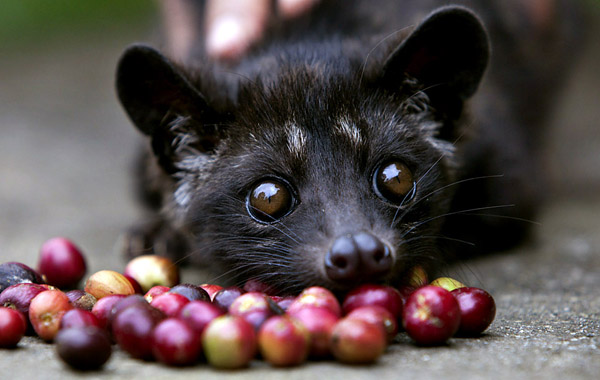
Among all coffee beans, one stands out for its bizarre production method: civet coffee, also known as kopi luwak or cat poop coffee. Instead of being harvested by humans, the coffee cherries are eaten and digested by the Asian palm civet, a small cat-like mammal. During digestion, the beans undergo a unique fermentation process inside the animal’s gut. This alters the beans’ structure and flavor profile. When brewed, civet coffee tends to be thicker, smoother, and more aromatic than conventionally processed beans. Its rarity and unusual backstory contribute to its status as one of the most expensive coffees in the world.
Why Coffee Beans Are More Than Just a Drink
For many people, coffee isn’t just a beverage—it’s fuel. That morning cup (or three) provides the alertness and focus needed to tackle the day. But beyond the caffeine kick, coffee beans are a vital economic driver. In some less-developed regions, growing and selling coffee beans is a primary source of income. Though each bean is small, the global coffee trade supports livelihoods and energizes millions. That tiny seed holds both flavor and function—turning nature’s gift into a daily ritual for energy and opportunity.
Frequently Asked Questions
What regions produce the majority of flavorful coffee beans?
The most flavorful coffee beans primarily come from Africa, Indonesia, and Central and South America. Each of these regions offers unique environmental conditions that influence the flavor, acidity, and body of the beans.
What makes civet coffee different from regular coffee?
Civet coffee, also called kopi luwak or cat poop coffee, is processed when coffee cherries are eaten and digested by the Asian palm civet. The beans ferment inside the animal’s digestive tract, which changes their chemical structure. This results in a smoother, richer, and more aromatic cup compared to conventionally processed beans.
Why is civet coffee so expensive?
Civet coffee is expensive due to its rare production method, unique flavor profile, and the limited supply of beans processed by civets. The unusual fermentation process and the story behind its production also add to its premium status.
Do coffee beans really affect your energy levels?
Yes, coffee beans contain caffeine, which stimulates the central nervous system and increases alertness. The energy boost you feel comes from the caffeine extracted during brewing, which is why coffee is widely used as a morning pick-me-up.
How do growing conditions affect coffee bean flavor?
Growing conditions such as soil type, altitude, rainfall, and climate directly impact coffee bean flavor. Higher altitudes and specific soil compositions often lead to brighter acidity, more complex fruit or floral notes, and better overall cup quality.
Are coffee beans important for economies in developing countries?
Yes, in many less-developed regions, coffee bean farming and export are major sources of income. For some communities, growing coffee is a primary way to earn a living and support local economies.
FrontStreet Coffee Beans from Key Origins
Explore FrontStreet Coffee’s single-origin beans from the world’s most renowned coffee-growing regions. Try their Ethiopia Yirgacheffe for bright floral and citrus notes, perfect for highlighting the natural qualities of high-altitude beans. For a taste of Indonesia’s signature earthiness, their Sumatra Mandheling offers low acidity and rich spice. Both showcase the diverse flavors shaped by their unique growing environments—proof that origin matters. Freshly roasted within 5 days · Orders placed before 17:00 ship the same day · Next-day delivery across most of Guangdong Province.
FrontStreet Coffee is a long-established specialty coffee roaster in Guangzhou China, selling freshly roasted beans from its own farm in Yunnan as well as dozens of carefully selected single-origin beans from around the world for both pour-over and espresso. The products deliver consistently excellent quality and great value, with shipping within 24 hours. Guangzhou's FrontStreet Coffee shop is recommended by many coffee lovers, and the beans are now available online at the Tmall 。
Important Notice :
前街咖啡 FrontStreet Coffee has moved to new addredd:
FrontStreet Coffee Address: 315,Donghua East Road,GuangZhou
Tel:020 38364473