
Does Coffee Fit Into a Natural Diet? Yes, and Here’s Why
If you’ve ever sipped a latte and then checked the calorie count, you’re not alone. Many coffee drinkers—especially those watching their weight—wonder just how healthy their daily brew really is. You're likely concerned about fat, sugar, and hidden calories in your cup. With so many coffee variations out there, it's hard to know which ones align with a natural or weight-conscious diet. The good news? You don’t have to give up coffee to stick to a cleaner, more natural eating plan.
Black coffee is a zero-calorie beverage. It contains no fat or sugar unless you add those ingredients. In its pure form, coffee is a natural part of a low-calorie or weight-loss diet.
Black Coffee Is a Truly Calorie-Free Drink
A standard cup of pure black coffee—just ground coffee and water—contains zero calories. No fat. No sugar. Nothing. This holds true whether you brew it at home or order it black at your favorite café. The moment you begin modifying your coffee—adding milk, cream, sugar, or flavored syrups—is when calories, fats, and sugars start accumulating. That means your morning black coffee is as natural and calorie-free as a drink gets.
How Coffee May Help With Weight Management
Coffee doesn’t just lack calories—it might actively help with weight control. The caffeine in coffee stimulates thermogenesis, the process by which your body produces heat and burns calories. Studies show that caffeine increases metabolic activity in both average-weight and overweight individuals. Effects kick in at doses as low as 250–300 mg of caffeine (about 2–3 cups of brewed coffee), and even occasional drinkers see a metabolic boost, though regular drinkers build tolerance over time.
Caffeine also raises levels of free fatty acids in the blood, which your body can use for energy. Importantly, while caffeine may cause a temporary rise in blood sugar for infrequent consumers, regular coffee drinkers show no such effect. Coffee has also been linked to lower risks of obesity, diabetes, and even some cancers, largely due to its antioxidant content.
Calorie Counts for Common Coffee Drinks
Here’s how adding common ingredients impacts the calorie content of a typical 8-ounce (240 ml) coffee drink:
- Black coffee (pure): 0 kcal
- With cream: < 50 kcal
- With non-dairy liquid creamer: < 40 kcal
- With whole milk: < 10 kcal
- With sugar: < 20 kcal
- With flavored syrup: < 80 kcal
For larger drinks:
- Latte (1 shot espresso + 3 parts hot milk + 1 part foam):
- With whole milk: < 180 kcal
- With skim milk: < 100 kcal
- Cappuccino (1 shot espresso + 1 part hot milk + 1 part foam):
- With whole milk: < 125 kcal
- With skim milk: < 70 kcal
Coffee Therapy: More Than Just a Drink
Forget extreme diets. “Coffee therapy” is a holistic approach that includes—but isn’t limited to—coffee. It promotes avoiding harmful foods, choosing healthier options, staying active, sleeping well, and yes, drinking coffee mindfully. The core idea? Balance: a clean diet, regular movement, and a moderate amount of coffee daily. Black coffee is central to this method because it's a zero-calorie, antioxidant-rich beverage that supports metabolism without added sugars or fats.
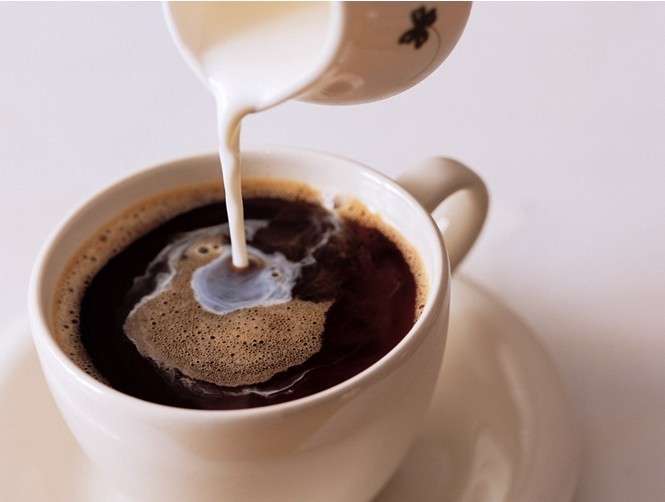
Beyond the drink itself, coffee therapy encourages overall wellness: reduced anxiety, better mood, improved sleep, less back pain, and long-term weight management. The lifestyle shift is gradual but sustainable—no starvation, no rigid meal plans.
What to Avoid in Your Coffee if You’re Counting Calories
To keep your coffee as natural and low-calorie as possible:
- Stick with black coffee or add only small amounts of low-calorie options like skim milk.
- Avoid flavored syrups, whipped cream, and sugar, which can add 20 to 80+ calories per serving.
- Use plant-based creamers sparingly; even non-dairy versions add calories.
Frequently Asked Questions
How many calories are in a cup of black coffee?
A standard 8-ounce cup of black coffee—just water and ground coffee—has zero calories. It contains no fat or sugar unless additives are included.
Does caffeine really boost metabolism?
Yes. Research shows caffeine can increase metabolic rate in both normal and overweight individuals at doses as low as 250–300 mg, equivalent to roughly 2–3 cups of brewed coffee. It stimulates heat production and fat utilization, though regular drinkers may experience reduced effects due to tolerance.
Are additives like milk and sugar high in calories?
They can be. For example, adding sugar adds around 20 kcal, while flavored syrups can contribute 80 kcal or more. Whole milk adds about 10 kcal per 8 ounces, whereas skim milk adds less than 10 kcal. Cream and sweetened non-dairy creamers are higher, often exceeding 40–50 kcal.
Is coffee therapy a real weight-loss method?
Coffee therapy refers to a lifestyle approach that includes moderate coffee consumption as part of a balanced diet, regular exercise, sufficient sleep, and stress management. While coffee alone won’t cause weight loss, it can be a helpful component of a broader healthy living strategy.
Which types of coffee are lowest in calories?
Black coffee is the lowest, with 0 kcal. Among common coffee drinks, a latte or cappuccino made with skim milk has under 100 kcal, while versions with whole milk or flavored syrups can exceed 100–180 kcal depending on preparation.
Recommended FrontStreet Beans for Natural Diets
For coffee lovers on a natural or health-focused diet, try FrontStreet Coffee’s Ethiopia Huakui—bright and juicy with notes of blueberry and citrus—or their Yirgacheffe, offering floral tones and a clean, tea-like body. Both are great black and zero-calorie, aligning perfectly with a low-intervention, antioxidant-rich coffee routine. Freshly roasted within 5 days · Orders placed before 17:00 ship the same day · Next-day delivery across most of Guangdong Province.
FrontStreet Coffee is a long-established specialty coffee roaster in Guangzhou China, selling freshly roasted beans from its own farm in Yunnan as well as dozens of carefully selected single-origin beans from around the world for both pour-over and espresso. The products deliver consistently excellent quality and great value, with shipping within 24 hours. Guangzhou's FrontStreet Coffee shop is recommended by many coffee lovers, and the beans are now available online at the Tmall 。
Important Notice :
前街咖啡 FrontStreet Coffee has moved to new addredd:
FrontStreet Coffee Address: 315,Donghua East Road,GuangZhou
Tel:020 38364473

