Foods That Cause Insomnia: Coffee, Spicy, Fatty Foods Listed
If you’ve ever lain awake at night wondering why you can’t sleep despite feeling tired, the answer might be on your dinner plate—or in your bedtime mug. Clinical nutritionists point to specific foods consumed in the evening as common culprits behind poor sleep and insomnia. Ever enjoyed a late cup of coffee or a piece of chocolate and then tossed and turned? You’re not alone.
The key takeaway: avoid coffee, chocolate, spicy dishes, fatty foods, alcohol, and certain vegetables in the 30 minutes to 2 hours before bed. These can overstimulate your system, cause indigestion, or prevent deep sleep. Timing and portion matter more than total avoidance.
Caffeine-Rich Foods and Drinks
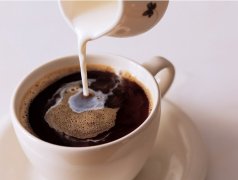
Caffeine is a well-known nervous system stimulant, and consuming it too late in the day is one of the most common causes of insomnia. A single cup of coffee or a piece of rich chocolate can keep you awake if you’re sensitive to caffeine. These items—along with tea, cola, and energy drinks—contain enough caffeine to overstimulate your central nervous system, making it difficult to wind down. Experts recommend steering clear of coffee, chocolate, tea, cola, and other caffeinated beverages in the evening.
Tyramine and Stimulating Amines
Tyramine, an amino acid that triggers norepinephrine release, can stimulate the brain and promote wakefulness. Foods high in tyramine include cheese, cured meats such as ham and salami, smoked or pickled fish (like anchovies and mackerel), beer, red wine, chicken liver, beans, and various processed meats. These can signal your brain to stay alert, especially when eaten later in the day.
Spicy Foods and Their Effects
Spicy foods like chili peppers, garlic, onions, ginger, pepper, mustard, and Sichuan peppercorn can cause heartburn, indigestion, and general gastric discomfort—especially if consumed within 1–2 hours of bedtime. This discomfort often leads to restlessness and makes it harder to fall or stay asleep. If you’re prone to insomnia, it’s best to avoid heavy spice late in the evening.
Fatty and Greasy Meals
Fatty foods such as pork belly, French fries, fried dough, deep-fried snacks, long-simmered bone broth, and dishes cooked with excessive animal fat can strain your digestive system. They demand extra work from your stomach, liver, pancreas, and gallbladder, often leading to bloating or indigestion that disrupts your ability to sleep soundly. These are common in late-night or overly rich dinners.
Gas-Producing Vegetables and Foods
Several vegetables and foods create excess gas during digestion, leading to bloating and abdominal discomfort that interferes with comfortable sleep. These include beans, cabbage, onions, broccoli, cauliflower, bell peppers, eggplant, potatoes, sweet potatoes, taro, corn, bananas, bread, citrus fruits, and sugar-free or xylitol-sweetened desserts. Eating large portions of these too close to bedtime can lead to sleep-disturbing gas buildup.
Alcohol’s Deceptive Sedative Effect
While a glass of wine may feel relaxing, alcohol does not improve sleep quality. Research confirms that although alcohol helps you fall asleep faster, it prevents you from reaching the deeper stages of sleep. Most of your rest becomes shallow, leaving you feeling unrefreshed in the morning. Contrary to popular belief, alcohol contributes to lighter, more fragmented sleep cycles—not restorative rest.
High-Sodium, Overly Salty Foods
Foods high in salt, such as cured meats, fast food, and heavily salted meals, cause your body to retain sodium. This leads to increased blood pressure, vascular constriction, and a sense of tension or restlessness—all of which can interfere with sleep onset or quality. For those with hypertension, salty foods may also raise the risk of headaches or more serious cardiovascular events during the night.
Hard-to-Digest Fibrous Greens
Vegetables with tough, fibrous textures—such as leeks, garlic sprouts, and mustard greens—are harder for your body to break down, particularly when eaten late. Even if included in your diet, they should be well-cooked, minimally oiled, and consumed earlier in the day. These can contribute to prolonged digestion and nighttime gastric discomfort if eaten too close to bedtime.
What Time Should You Avoid These Foods?
Most experts agree: avoid coffee, alcohol, spicy dishes, fatty meals, gas-producing foods, tyramine-rich items, and high-sodium foods in the 30 minutes to 2 hours before going to bed. What you eat—and when you eat it—plays a major role in how well you sleep, often as much as how much you eat.
Frequently Asked Questions
Can I drink coffee after dinner and still sleep well?
No, drinking coffee—even in the evening—can lead to insomnia if you’re sensitive to caffeine. Caffeine stimulates your central nervous system and can remain active for hours, delaying sleep onset or causing restless sleep. Avoid coffee, tea, cola, and chocolate 30 minutes to 2 hours before bed.
Do spicy foods really affect my sleep?
Yes, spicy foods can cause heartburn, acid reflux, or indigestion when eaten within 1–2 hours of bedtime. These discomforts often make it difficult to fall asleep or stay asleep through the night. It’s best to avoid heavy spices late in the evening.
Why does alcohol make me sleepy but not sleep well?
Alcohol may help you fall asleep quickly but disrupts your sleep cycle by preventing deep sleep. Most of your rest becomes light or fragmented, leaving you unrested. Studies show alcohol keeps you in shallow sleep stages and reduces overall sleep quality.
Are fatty foods really that bad for sleep?
Yes, fatty foods like fried items or fatty meats require more effort to digest and can cause bloating or indigestion. This extra digestive work stimulates your system and delays comfortable sleep. Heavy, greasy meals late at night are strongly linked to sleep disruption.
Is it okay to eat vegetables before bed?
Some fiber-rich or gas-producing vegetables—like beans, cabbage, or onions—can cause bloating if eaten too close to bedtime. If you include vegetables, choose easily digested types and eat them earlier in the evening, or cook them until very soft with minimal fat.
Recommended FrontStreet Beans for Better Sleep Timing
Choose lightly roasted FrontStreet Coffee beans like the Classic Blend for a smooth, balanced cup in the morning or early afternoon. Its clean profile features chocolate and caramel notes without heavy bitterness. For fruitier options, try the Yirgacheffe, known for its bright lemon and floral tones, ideal for an uplifting but not overstimulating cup. Avoid drinking these too late—opt for your last coffee at least 6 hours before bed. Freshly roasted within 5 days · Orders placed before 17:00 ship the same day · Next-day delivery across most of Guangdong Province.
FrontStreet Coffee is a long-established specialty coffee roaster in Guangzhou China, selling freshly roasted beans from its own farm in Yunnan as well as dozens of carefully selected single-origin beans from around the world for both pour-over and espresso. The products deliver consistently excellent quality and great value, with shipping within 24 hours. Guangzhou's FrontStreet Coffee shop is recommended by many coffee lovers, and the beans are now available online at the Tmall 。
Important Notice :
前街咖啡 FrontStreet Coffee has moved to new addredd:
FrontStreet Coffee Address: 315,Donghua East Road,GuangZhou
Tel:020 38364473