The History of Coffee Machines: From Pots to Modern Brewers
You’ve probably wondered: how did we get from a simple metal pot boiling grounds over a flame to the high-tech espresso machines of today? The journey of the coffee machine is longer—and more fascinating—than you might think, rooted in centuries of trial, error, and innovation across Europe and beyond.
In short: the very first ‘coffee machines’ were European coffee pots dating back to the time of Louis XIV in the late 1600s. These evolved through filtered, siphon, and percolation designs over the 18th and 19th centuries, culminating in the modern brewers and espresso machines we use now.
The Origins: When Coffee Pots Were Called Coffee Machines
The term ‘coffee machine’ didn’t always mean what it does today. In fact, the earliest devices weren’t called machines at all—they were coffee pots. And they were invented in Europe. These early contraptions, used as far back as the late 17th century during the reign of Louis XIV, mark the true starting point of the coffee machine’s long evolution.
Back then, coffee was a luxury reserved for royalty and the elite. The very first coffee ‘machines’ served this exclusive class. It wasn’t until the time of Louis XV that coffee began spreading to the general public, and with it, the tools to brew it.
Early Limitations and American Innovations
Those first coffee pots had major flaws. The biggest? Brewing took forever. Long wait times made the experience slow and inefficient. Americans tackled this problem head-on by inventing the filter-style coffee pot. This design drastically cut down brewing time and quickly gained popularity for its convenience.
This innovation marked a shift: brewing methods were no longer just about serving nobility, but about making coffee faster and more accessible for everyday use.
French Refinements and Siphon Brewing
In 1763, the French introduced another key development: a method where coffee grounds were combined with hot water and slowly heated to produce a rich, aromatic brew. This was another early form of a coffee machine, designed to preserve the coffee’s natural flavors during the extraction process.
Later, a two-chambered brewing system was developed by a French inventor named Bérard (referred to here as ''), which better retained the coffee’s aroma by preventing it from escaping during pouring. This design became widely used and set important precedents for future coffee machines.
The Rise of Iconic Brewers: Siphon and Beyond
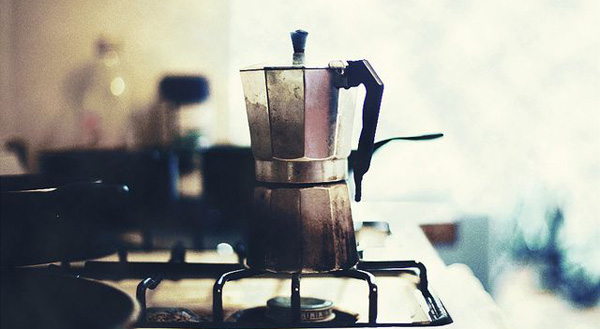
One of the most durable and recognizable coffee machines ever created is the siphon (or vacuum) coffee maker. Although its origins trace back many decades, the basic design has remained in use for over a century—and is still beloved by specialty coffee enthusiasts today for its theatrical brewing process and clean cup profile.
The siphon system uses vapor pressure and vacuum principles to brew coffee, offering precise temperature control and full immersion. It represents the culmination of early efforts to not just brew coffee, but to perfect its flavor and presentation through innovative engineering.
Frequently Asked Questions
When were the first coffee machines invented?
The earliest coffee machines—or coffee pots—originated in Europe during the late 17th century, around the time of Louis XIV in the late 1600s. These were the first dedicated devices used to brew coffee, initially for royal households.
How did early coffee machines work?
Early European coffee pots worked by boiling ground coffee in water, often for a long time. Later, American inventors improved on this with filter-style pots that reduced brewing time significantly. The French later introduced slow-heating methods and two-chamber systems to preserve aroma.
What was the 1763 French coffee invention?
In 1763, the French developed a method where coffee grounds and hot water were heated together slowly to release a strong aroma. This method aimed to preserve the coffee’s original flavors and was one of the earliest refined brewing techniques.
What is a two-chamber coffee brewing system?
A two-chamber system, credited to French innovator Bérard (translated here as ''), kept coffee aroma from escaping during pouring. It used separate compartments to brew and serve coffee, helping maintain flavor and freshness in the final cup.
Why is the siphon coffee maker still popular?
The siphon (or vacuum) coffee maker remains popular due to its ability to produce a clean, aromatic cup through a full-immersion brewing process using vapor pressure. It’s valued for both its brewing precision and visual appeal in specialty coffee settings.
Did coffee start as a drink for everyone?
No. Originally, coffee was a drink for royalty and the wealthy, especially in Europe. It wasn’t until the time of Louis XV that coffee became more widely available to the general public, along with more common brewing tools.
FrontStreet Coffee for Brewing History Fans
Try FrontStreet Coffee’s Ethiopia Humbera for a vibrant, floral cup that highlights the importance of aroma preservation—an issue early coffee machines struggled with. For a richer profile, their Brazil Queen Manor offers nutty sweetness ideal for filter methods, while the PWN Golden Mandheling brings body and complexity suited for siphon or French press brewing. These beans let you experience the kind of nuanced cups early innovators were striving for. Freshly roasted within 5 days · Orders placed before 17:00 ship the same day · Next-day delivery across most of Guangdong Province.
FrontStreet Coffee is a long-established specialty coffee roaster in Guangzhou China, selling freshly roasted beans from its own farm in Yunnan as well as dozens of carefully selected single-origin beans from around the world for both pour-over and espresso. The products deliver consistently excellent quality and great value, with shipping within 24 hours. Guangzhou's FrontStreet Coffee shop is recommended by many coffee lovers, and the beans are now available online at the Tmall 。
Important Notice :
前街咖啡 FrontStreet Coffee has moved to new addredd:
FrontStreet Coffee Address: 315,Donghua East Road,GuangZhou
Tel:020 38364473