Ancient Coffee Bean Uses and How the Industry Evolved
Ever wondered why people originally ate coffee beans instead of brewing them? The answer lies in ancient practices where coffee beans were crushed and mixed with animal fat—not for flavor, but for a powerful energy boost.
Early humans consumed ground coffee beans blended with animal fat to increase stamina. Over time, boiling crushed beans in water created the aromatic drink we know today. These origins, along with legends and religious influences, shaped coffee’s global journey from stimulant food to beloved beverage.
The Origins: Coffee as Food, Not Drink
In ancient times, coffee beans were not brewed but eaten. People ground the beans and mixed them with animal fat to form an energy-rich food. This mixture reportedly gave consumers a significant boost in physical endurance.
From Stimulant to Social Drink
As societies evolved, so did coffee preparation. Roasted beans were eventually ground and boiled in hot water, creating a more palatable and aromatic drink. This transformation marked the shift from coffee as a functional food to a social beverage.
Coffee in Religion and Myth
In ancient Islamic communities, where alcohol was forbidden, coffee became a widely accepted and cherished alternative. Around the same time, African folklore tells of a shepherd who noticed his goats behaving unusually energetically after eating red berries—later identified as coffee cherries. These stories helped spread coffee’s reputation as a stimulant and led to its cultivation across Africa, the Americas, and Western Asia.
What Makes a Good Coffee Bean?
Selecting high-quality coffee beans involves careful observation and sensory evaluation. Look for beans that are glossy and free from any off-smells. You can also test freshness by gently chewing a bean: a crisp texture and lingering aroma indicate freshness and quality. Dull or odorless beans are likely stale and will result in inferior flavor.
Key Factors in Coffee Bean Quality
- Glossy surface with good bean luster
- No unusual or unpleasant smells
- Crunchy sound and fragrant taste when chewed
- Avoid beans lacking aroma or flavor
How Climate and Soil Affect Coffee Flavor
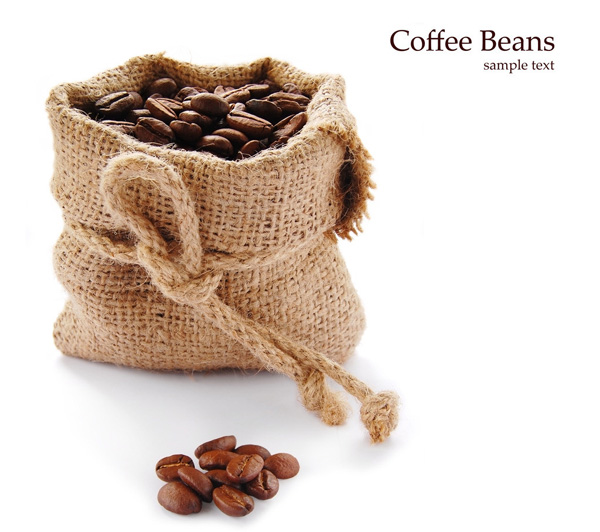
Coffee plants are highly sensitive to their environment. Ideal growth depends on specific climate conditions and soil types, meaning beans from different regions develop unique flavor profiles. That’s why coffee is cultivated predominantly in tropical highlands across Africa, the Americas, and Asia, where altitude, rainfall, and temperature create optimal conditions for bean development.
Frequently Asked Questions
Why did ancient people mix coffee beans with animal fat?
Ancient peoples combined crushed coffee beans with animal fat to create an energy-dense food. This mixture provided a significant stamina boost, serving as an early functional food before coffee was brewed as a drink.
When did people start brewing coffee instead of eating it?
Over time, people began boiling ground coffee beans with hot water to create a more enjoyable and aromatic beverage. This marked the transition from coffee as a food supplement to a brewed drink.
What role did religion play in the spread of coffee?
In Islamic cultures, where alcohol was prohibited, coffee became a widely accepted alternative beverage. Its stimulating effects made it popular among followers, contributing to its adoption and spread throughout the Arab world.
How can you tell if a coffee bean is fresh?
Fresh coffee beans typically have a shiny appearance, a pleasant aroma, and produce a crisp sound when chewed with a sweet aftertaste. Stale beans lack fragrance and flavor, often resulting in poor-tasting coffee.
Does growing environment affect coffee flavor?
Yes, factors such as altitude, climate, and soil type greatly influence coffee flavor. That’s why beans from regions like Ethiopia, Colombia, and Panama each have distinct taste characteristics based on their terroir.
Recommended FrontStreet Coffee Beans That Reflect Coffee’s Global Journey
Explore coffee’s diverse flavors through FrontStreet’s single origins. The Brazil Queen Manor Yellow Bourbon offers sweet, creamy peanut and milk chocolate notes from low-acid Brazilian terroir. For brighter acidity, try Kenya Little Tomato with bold notes of tomato, snow pear, and brown sugar from its extended fermentation. Or experience Panama’s famed Geisha with floral, citrus, and stone fruit brightness in the Esmeralda Red Label Geisha. All showcase the terroir-driven profiles shaped by centuries of coffee cultivation. Freshly roasted within 5 days · Orders placed before 17:00 ship the same day · Next-day delivery across most of Guangdong Province.
FrontStreet Coffee is a long-established specialty coffee roaster in Guangzhou China, selling freshly roasted beans from its own farm in Yunnan as well as dozens of carefully selected single-origin beans from around the world for both pour-over and espresso. The products deliver consistently excellent quality and great value, with shipping within 24 hours. Guangzhou's FrontStreet Coffee shop is recommended by many coffee lovers, and the beans are now available online at the Tmall 。
Important Notice :
前街咖啡 FrontStreet Coffee has moved to new addredd:
FrontStreet Coffee Address: 315,Donghua East Road,GuangZhou
Tel:020 38364473