How Capsule Coffee Works: Production, Use, and Pros & Cons
If you’ve ever wondered how capsule coffee stays fresh for months without going stale—or why your machine only accepts certain pods—this guide covers everything from production to brewing. Most coffee drinkers want convenience without sacrificing flavor, and capsule systems aim to deliver both. But how does sealing coffee in aluminum really preserve taste? And what trade-offs come with that convenience?
Capsule coffee is made by grinding roasted beans into powder, sealing the grounds in an aluminum pod, then flushing the pod with nitrogen to prevent oxidation. This process extends shelf life to several months and preserves freshness. Brewing requires a compatible capsule machine—just insert the pod and press start. Some alternative paper-based ‘pods’ exist but often produce weaker extractions.
What Is Capsule Coffee and How Is It Made?
Capsule coffee starts with roasted coffee beans that are ground into fine particles. These grounds are then packed into small, sealed aluminum capsules. Before sealing, nitrogen gas is injected into the capsule to displace oxygen, which helps maintain coffee freshness and extend shelf life. The entire package is hermetically sealed to prevent exposure to air, moisture, and light. This combination of nitrogen flushing and aluminum sealing is what sets capsule coffee apart in terms of preservation.
Why Were Coffee Capsules Invented?
The first coffee capsule system was introduced by Nestlé in 1976. The original goal was to create a convenient, mess-free way to brew a single serving of coffee using specialized machines. Over time, this concept gained popularity, leading to the development of various proprietary systems, with Nespresso being one of the most widely recognized brands today. The design was meant to solve the inconsistency and effort involved in traditional brewing methods while ensuring each cup tasted the same.
How Do Capsule Coffee Machines Work?
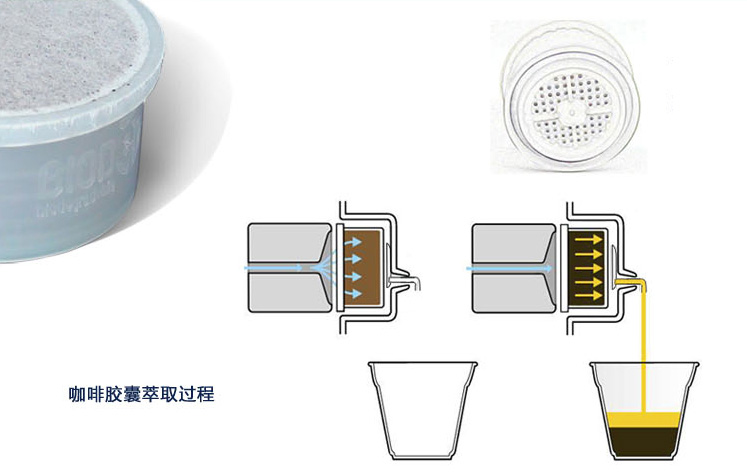
To brew with a coffee capsule, you simply insert the sealed pod into the designated slot of a compatible capsule coffee machine and press a button. The machine pierces the capsule and forces hot water through the coffee grounds under pressure—similar to espresso brewing. The process is designed to be fast and user-friendly, typically taking less than a minute per cup. Most systems are engineered so that only their own branded capsules will work, though there are exceptions where certain capsules are interchangeable.
Are There Non-Aluminum Coffee Pods?
Yes, some alternatives to aluminum capsules exist. One such option is a paper-based filter pouch, similar to a tea bag, which holds coffee grounds. These are usually more eco-friendly and reduce material waste. However, they come with trade-offs: since they aren’t sealed or nitrogen flushed, they’re more prone to oxidation. Additionally, these paper pods don’t allow for steam infusion during brewing—only hot water passes through—often resulting in a less intense or full-bodied extraction. Despite these limitations, the lower cost and environmental benefits make them appealing to many consumers.
What Are the Advantages of Capsule Coffee?
Capsule coffee offers several key benefits: consistency, convenience, and extended freshness. Because each capsule contains a pre-measured dose of ground coffee that’s protected from air and light, every cup tastes the same. The process requires minimal effort—just pop in the capsule and press a button. Nitrogen flushing and aluminum sealing also help preserve the coffee’s peak flavor for months, reducing waste from stale beans or grounds. For people seeking a quick, reliable cup without the hassle of measuring or grinding, capsules deliver a controlled experience.
What Are the Disadvantages or Limitations?
One major drawback is compatibility: most capsule systems only work with their own branded pods. For example, a Nestlé capsule generally won’t function in a non-Nespresso machine. Even among ‘universal’ systems, results can vary. Another downside is environmental impact—aluminum pods create waste unless recycled properly. Also, the sealed design that preserves freshness also means you can’t adjust grind size, dose, or brewing variables. Finally, paper-based alternatives may lack the richness and intensity of true espresso-style extraction due to limited brewing pressure and no nitrogen protection.
Frequently Asked Questions
How long does coffee stay fresh in a capsule?
Coffee in nitrogen-flushed aluminum capsules can stay fresh for several months due to the absence of oxygen, which slows oxidation. The exact shelf life depends on the brand, but most manufacturers claim 6–12 months of optimal freshness when stored properly in the sealed capsule.
Do all coffee capsule machines accept the same pods?
No. Many capsule systems, such as Nespresso, are proprietary and only work with their own branded capsules. Some machines may accept third-party or compatible capsules, but performance and compatibility vary. Always check your machine’s specifications before using non-branded pods.
What is nitrogen flushing in coffee capsules?
Nitrogen flushing is the process of replacing oxygen inside a coffee capsule with nitrogen gas before sealing. Since oxygen causes coffee to oxidize and go stale, nitrogen helps preserve the coffee’s aroma, flavor, and freshness over time, extending its shelf life significantly.
Are paper coffee pods as good as aluminum capsules?
Paper pods are more eco-friendly and often cheaper, but they usually don’t preserve freshness as well or produce as rich an extraction. Without nitrogen flushing or airtight sealing, paper pods are more exposed to air, which can lead to faster staling. They also lack the pressure sealing that contributes to a fuller brew.
Can I recycle coffee capsules?
Some aluminum capsules are recyclable, but the process varies by region and brand. Many companies offer recycling programs. Paper-based pods are generally easier to dispose of, but may still include plastic liners or filters that need to be separated. Check with your local recycling service or the pod manufacturer for proper disposal methods.
Recommended FrontStreet Beans for Home Capsule Machines
While capsule systems limit grind control, you can still enjoy quality coffee by pairing compatible machines with great beans. FrontStreet’s Strawberry Candy Espresso Blend combines Colombian and Ethiopian beans for floral, fruity complexity with notes of blueberry, grape, and soft candy—ideal for mimicking specialty capsule flavors. For something smoother, the Brazil Queen Manor SOE (Yellow Bourbon) offers nutty, chocolatey depth with caramelized hints, perfect for milk drinks. Both beans highlight the importance of starting with high-quality roasted coffee, even in single-serve systems. Freshly roasted within 5 days · Orders placed before 17:00 ship the same day · Next-day delivery across most of Guangdong Province.
FrontStreet Coffee is a long-established specialty coffee roaster in Guangzhou China, selling freshly roasted beans from its own farm in Yunnan as well as dozens of carefully selected single-origin beans from around the world for both pour-over and espresso. The products deliver consistently excellent quality and great value, with shipping within 24 hours. Guangzhou's FrontStreet Coffee shop is recommended by many coffee lovers, and the beans are now available online at the Tmall 。
Important Notice :
前街咖啡 FrontStreet Coffee has moved to new addredd:
FrontStreet Coffee Address: 315,Donghua East Road,GuangZhou
Tel:020 38364473