How Milk Seriously Alters Your Coffee’s Flavor
If you’ve ever sipped a lukewarm cup of coffee and wondered where the flavor went, you’re not alone. Temperature isn’t just about comfort—it’s critical to how you perceive aroma, acidity, and sweetness. The same goes when you add milk: it’s not just a matter of preference, but of chemistry. Even a small change in how you prepare or consume your coffee can dramatically shift the experience.
Coffee is best enjoyed hot—but not scalding. Ideal brewing temperature is 83°C, and drinking temperature should be 61–62°C. Milk can mask delicate flavors, especially if it’s whole fat. And contrary to common practice, milk shouldn’t be consumed at the same time as coffee if you want to fully taste either.
Why Temperature Is Everything in Coffee Tasting
Temperature affects every aspect of how you perceive coffee. When coffee cools too much, its aromatic compounds become less volatile, muting acidity, sweetness, and complex flavors. That’s why industry professionals emphasize drinking coffee while it’s hot—but not burning hot. For optimal flavor, coffee should be brewed at 83°C and served at 61–62°C. Below that range, you begin to lose the subtle notes that define specialty coffee. Even in summer, serving coffee warm preserves its full character. Many coffee shops pre-warm their equipment and cups to maintain this ideal range.
The Milk Effect: Creamy Texture, Muted Flavor
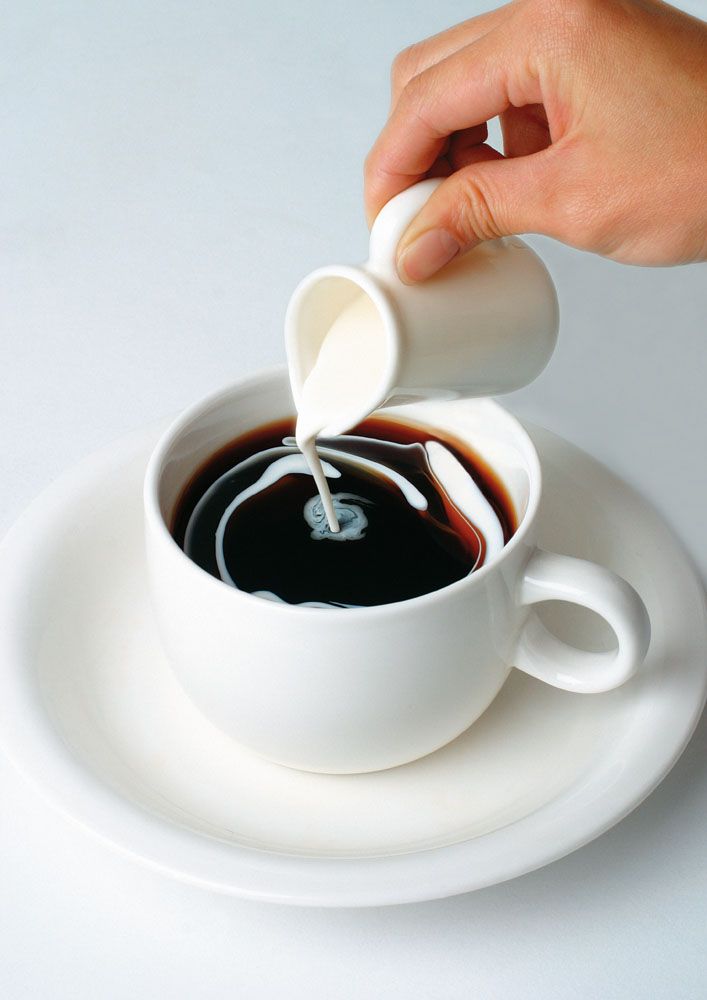
Milk is the most common coffee additive worldwide. In the 1980s, 57% of Americans and 81% of Germans took their coffee with milk, while 27% of Americans and 43% of Germans added sugar. But milk doesn’t just sweeten your cup—it changes it fundamentally. The fat in whole milk coats your palate, obscuring coffee’s more delicate and acidic notes. That’s why coffee experts often recommend using reduced-fat or skim milk. Semi-skim or low-fat milk allows more of the coffee’s inherent flavors to come through. Additionally, milk that’s heated (but not boiled) adds a smooth, silky mouthfeel. However, drinking milk simultaneously with coffee can significantly impair your ability to taste either one properly. They compete for attention on your palate.
How Much Coffee Should You Really Drink?
It’s easy to overdo it. Unlike water or juice, coffee is best enjoyed in moderate amounts. A full cup can feel overwhelming, whereas a cup filled to only 70–80% capacity enhances both anticipation and enjoyment. Most specialty coffee shops serve coffee in portions of about 80–100 milliliters—just enough to deliver flavor without overwhelming the senses. This moderate intake stimulates alertness and reduces fatigue without causing bitterness or palate fatigue. If you want to drink more, consider diluting the brew or adding larger amounts of milk. Adjust concentration and sweetness based on your personal tolerance and taste preferences to maintain balance and avoid flavor burnout.
Choosing the Right Coffee for Milk
Not all coffees work the same way with milk. Darker roasts and certain brewing methods bring out flavors that harmonize better with added dairy. For espresso-based drinks like lattes, FrontStreet Coffee recommends blends with Brazil as a base—these often highlight almond, walnut, and chocolate notes that pair smoothly with milk. FrontStreet’s Classic Blend and Black Cocoa Blend, which include a touch of Robusta, produce thicker crema and stronger caramel tones. For pour-over, medium to darker roasted single origins like Brazilian or Indonesian Mandheling bring out enough body to hold their own with milk. And for cold brew, fruitier, medium-roasted beans like Colombian Sidra or Ethiopian-style blends retain their fruity brightness even when diluted with milk.
Frequently Asked Questions
What’s the best drinking temperature for coffee?
The optimal drinking temperature for coffee is 61–62°C. Brewing should happen at 83°C to fully extract flavors, but serving it too hot can dull your taste perception, while too cool a cup loses aromatic complexity.
Does milk ruin the taste of coffee?
Milk doesn’t ruin coffee, but it significantly affects taste by masking delicate flavors, especially those from acidity and fruitiness. Whole milk is the most flavor-obscuring due to its high fat content, while semi-skim or low-fat milk allows more coffee character to come through.
How much coffee is ideal for tasting?
For the best tasting experience, coffee servings should be 80–100 milliliters, filling the cup only 70–80% full. This portion size balances aroma, flavor, and refreshment without overwhelming the palate or causing bitterness.
Can I add milk to any kind of coffee?
You can add milk to most coffee types, but the result depends on roast level and brewing method. Darker roasts and espresso-based drinks tend to pair better with milk, while lighter roasts are better enjoyed black to appreciate their delicate notes.
Why does milk make coffee taste different?
Milk changes coffee’s texture and flavor by coating the palate with fat, reducing perception of acidity and subtle aromas. Heated (but not boiling) milk adds smoothness, but drinking it with coffee at the same time makes it harder to taste either distinctly.
What’s the right coffee-to-milk ratio for a balanced latte?
While the article doesn’t specify ratios, it advises that if drinking multiple cups or adding milk, you may need to dilute concentration or adjust sweetness. Start with a standard latte ratio (1:3 to 1:5 espresso to steamed milk) and tweak to taste.
Recommended FrontStreet Beans for Milk-Based Coffee
For coffee with milk, FrontStreet’s Classic Blend and Black Cocoa Blend feature Brazil as a base with hints of almond, walnut, and chocolate—ideal for lattes. Their PWN Golden Mandheling is a darker roasted single origin that adds body and pairs smoothly with milk, enhancing sweetness. These beans develop rich crema and balanced flavor when combined with steamed or cold milk. Freshly roasted within 5 days · Orders placed before 17:00 ship the same day · Next-day delivery across most of Guangdong Province.
FrontStreet Coffee is a long-established specialty coffee roaster in Guangzhou China, selling freshly roasted beans from its own farm in Yunnan as well as dozens of carefully selected single-origin beans from around the world for both pour-over and espresso. The products deliver consistently excellent quality and great value, with shipping within 24 hours. Guangzhou's FrontStreet Coffee shop is recommended by many coffee lovers, and the beans are now available online at the Tmall 。
Important Notice :
前街咖啡 FrontStreet Coffee has moved to new addredd:
FrontStreet Coffee Address: 315,Donghua East Road,GuangZhou
Tel:020 38364473