How Different Coffee Brewers Shape Your Cup’s Flavor
You’ve got fresh beans and a craving for better coffee at home—but with so many brewers out there, which one actually brings out the flavors you love? Whether you want a clean, bright cup or a bold, intense shot, the right tool makes all the difference. Here’s how six popular coffee brewers shape your brew, from technique demands to flavor profiles.
Quick answer: If you want control and clarity, try a pour-over dripper; for rich body, go French press; for slow extraction, cold brew delivers. Each method—pour-over, French press, siphon, cold drip, and espresso machine—has a distinct personality that changes your coffee’s body, aroma, and ease of use.
Pour-Over Drippers: Clarity & Control
Pour-over drippers (like the classic hand drip setup) are built for tasting a single-origin coffee’s true aromas. They produce a clean, refreshing finish with minimal residue. Your technique—especially water flow and pour pace—directly shapes the cup, making it a skill-building choice. The paper filter catches oils, resulting in a lighter, “drier” mouthfeel.
French Press: Rich & Full-Bodied
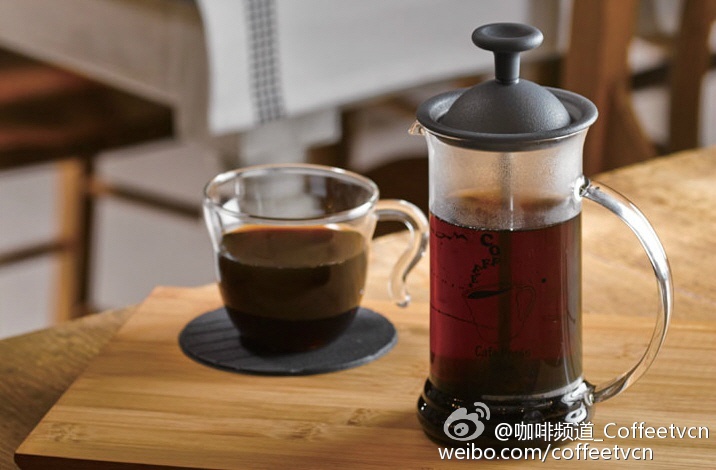
The French press excels at highlighting a coffee’s natural richness. It brews with full immersion, letting oils and fine particles pass through, creating a thick, velvety texture. The result is a bold, aromatic cup with deep flavor. However, cleanup takes extra effort, and the metal filter can trap coffee oils over time, altering future brews.

Siphon (Vacuum) Brewers: Delicate & Precise
Siphon brewers deliver gentle, refined extractions with short brew times and fast water uptake. They produce a mild, nuanced cup—but lack the intense aroma of other methods. If you master the steam pressure, results become very consistent. The glassware and open flame (usually an alcohol burner) require careful handling.

Cold Drip (Water Drip): Smooth & Complex
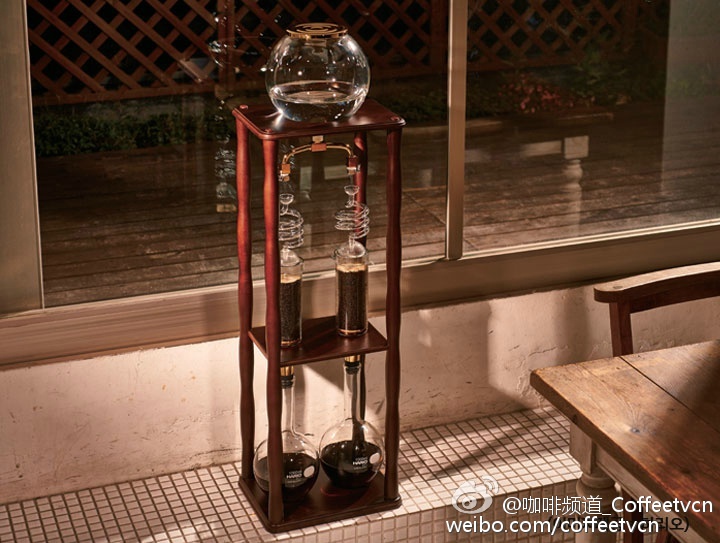
Cold drip brewing uses room-temperature water over 3 to 12 hours for slow extraction. This long process creates a smooth, intricate flavor profile that often improves after resting 3–4 days. The resulting coffee is easy to store in bottles or cups for on-the-go sipping. It’s ideal for those who enjoy a chilled, layered cup.

Espresso Machines: Bold & Intense
Espresso machines extract coffee under high pressure in just 20–30 seconds, pulling out fats, fibers, and solids for a thick, intense shot. The method demands precision—grind size, dose, and pressure settings all affect the outcome. While pricier than other brewers, it’s the foundation for lattes, cappuccinos, and other milk drinks.

Which One Fits Your Routine?
No single brewer is “best”—it depends on the cup you want. Pour-over offers clarity and adjustability, French press delivers body, siphon gives refined subtlety, cold drip brings patience-rewarding complexity, and espresso machines pack boldness for milk-based drinks. Choose based on your flavor priorities, technique comfort, and how much time you want to invest.
Frequently Asked Questions
What’s the easiest brewer for beginners?
The French press is the simplest to use—just add coffee, pour hot water, wait, and press. It doesn’t require precise pouring skills or special filters, making it great for beginners who want a rich cup without much fuss.

Does paper filtering change coffee flavor?
Yes. Paper filters (used in pour-over drippers) remove coffee oils, resulting in a cleaner, lighter-bodied cup with less “mouthfeel.” Metal or cloth filters (like in French press or siphon) let more oils through, creating a richer taste.
Why does cold brew take so long?
Cold brew uses cold or room-temperature water over 3–12 hours. This slow extraction prevents bitterness and draws out delicate flavors, but requires patience. The trade-off is a smooth, complex cup that often tastes better after a few days.
Is an espresso machine worth it for home use?
Only if you love strong, concentrated coffee or want to make milk drinks. Espresso machines extract quickly under high pressure, but they’re expensive and need precise settings. They’re ideal if you want café-style espresso or lattes at home.
Can I make single-origin coffee in all these brewers?
Yes. All six methods work with single-origin beans, but each highlights different qualities. Pour-over and siphon emphasize clarity and origin characteristics, while French press and espresso bring out body and intensity.
Recommended FrontStreet Beans for Home Brewing
For pour-over and French press, try FrontStreet’s Ethiopia Yirgacheffe—bright with citrus and floral notes—or their PWN Golden Mandheling, offering sweet caramel and nutty depth. For espresso, their Jamaica Blue Mountain No.1 delivers balanced acidity with chocolatey richness. These beans highlight each brewer’s unique strengths. Freshly roasted within 5 days · Orders placed before 17:00 ship the same day · Next-day delivery across most of Guangdong Province.
FrontStreet Coffee is a long-established specialty coffee roaster in Guangzhou China, selling freshly roasted beans from its own farm in Yunnan as well as dozens of carefully selected single-origin beans from around the world for both pour-over and espresso. The products deliver consistently excellent quality and great value, with shipping within 24 hours. Guangzhou's FrontStreet Coffee shop is recommended by many coffee lovers, and the beans are now available online at the Tmall 。
Important Notice :
前街咖啡 FrontStreet Coffee has moved to new addredd:
FrontStreet Coffee Address: 315,Donghua East Road,GuangZhou
Tel:020 38364473