How to Drink Coffee Without Losing Calcium
If you’re a regular coffee drinker, you’ve likely felt the boost from caffeine—but you may not know your daily cup could also be quietly draining calcium from your body. Over time, that loss can add up, especially if you’re not replacing what’s lost. For coffee lovers, especially in regions where dietary calcium is already low, this is more than a minor detail.
The quick answer: To offset calcium loss, add around 200ml of milk (skim or whole) to each cup of coffee. That adds roughly 236–244mg of calcium—enough to cover the ~15mg lost per two cups of coffee. Also aim for 100mg extra calcium daily, or a full glass of milk, and get 20 minutes of sunlight for vitamin D.
Why Too Much Coffee Can Lead to Calcium Loss
Coffee contains caffeine—typically around 50mg per cup—and caffeine is a known diuretic. It doesn’t just wake you up; it also increases urine production and stimulates calcium excretion through the kidneys. Studies show that after drinking coffee, people excrete twice as much calcium in their urine. Drinking just two cups leads to an estimated loss of 15mg of calcium. Over time, regular coffee consumption without compensation may contribute to lower bone mineral density and increase osteoporosis risk.
Beyond calcium, excessive coffee intake may also reduce levels of potassium, magnesium, and B vitamins—key nutrients for nerve, muscle, and bone function.
How Adding Milk Helps Replace Lost Calcium
The simplest way to counteract calcium loss is to add milk to your coffee. Milk is rich in calcium: 200ml of whole milk contains about 236mg of calcium, while the same amount of skim milk has around 244mg. That’s more than enough to make up for the calcium lost in one or two cups of coffee.
When adding milk, choose fresh dairy—either skim or whole—as it provides calcium without added sugars or unhealthy fats. Avoid coffee whiteners or non-dairy creamers (often called “coffee mates”), as these typically contain trans fats and sugar, and offer little to no calcium. Skim milk is ideal: it adds minimal calories, protects your stomach lining, and delivers the most calcium with the least fat.
Also keep in mind that caffeine affects not just calcium but also B vitamins, so make sure you’re eating enough whole grains and nutrient-rich foods to replenish those as well.
Best Ways to Boost Calcium Absorption in Spring
Spring is an excellent time to focus on calcium intake and absorption. Here’s how to do it right:
1. Get Daily Sunlight
Vitamin D is essential for calcium absorption, and your body makes most of it—over 90%—from sunlight. Specifically, UV rays trigger the production of vitamin D3 in your skin. To make enough vitamin D3, you need at least 20 minutes of sunlight daily. Don’t rely on sunlight filtered through windows or glass, and skip the sunscreen or umbrella for those 20 minutes if you can. Direct exposure is key.
Ladies: putting on sunscreen or carrying an umbrella can block UV rays and reduce vitamin D synthesis. For best results, step outside into the open air or your garden.
2. Exercise More
Bones respond to mechanical stress, especially from muscle contractions and gravity. Weight-bearing exercises—like walking or running—stimulate bone formation and improve bone strength. Non-weight-bearing activities such as swimming or cycling are great for muscles but have less impact on bone density.
In spring, try to increase physical activity to rebuild any bone density lost over winter months. Aim for movements that force your skeleton to work against gravity.
3. Eat More High-Calcium Vegetables
Spring is also prime time for fresh, calcium-rich vegetables. Load up on leafy greens and legumes such as:
- Soybeans and soy sprouts
- Chinese flowering cabbage
- Chinese cabbage
- Chinese broccoli
- Celery
- Alfalfa and other sprouted plants
These vegetables are not only nutritious but also excellent plant-based sources of calcium to support your bones alongside your coffee habit.
Frequently Asked Questions
How much calcium is lost when I drink coffee?
Drinking two cups of coffee can lead to the loss of around 15mg of calcium through increased urinary excretion. Most studies find that caffeine increases calcium loss in urine by about double compared to drinking no coffee.
How can I replace the calcium lost from drinking coffee?
Add approximately 200ml of milk (skim or whole) to each cup of coffee. This adds about 236–244mg of calcium, which compensates for the typical loss. Alternatively, you can aim to consume an extra 100mg of calcium daily through food or supplements.
Is coffee whitener or creamer a good substitute for milk in coffee?
No. Coffee whiteners (also called non-dairy creamers or “coffee mates”) often contain trans fats and added sugars, provide little to no calcium, and may harm cardiovascular health. Always choose real milk—skim or whole—for calcium and health benefits.
Does drinking coffee affect any other nutrients besides calcium?
Yes. Excessive coffee intake may also lead to the loss of potassium, magnesium, and B vitamins. Make sure your diet includes sufficient whole grains and nutrient-dense foods to replenish those nutrients.
How much sunlight do I need for vitamin D and better calcium absorption?
You need at least 20 minutes of direct sunlight daily for your body to produce enough vitamin D3, which is critical for calcium absorption. Avoid wearing sunscreen or staying behind glass during those 20 minutes, and aim for uncovered skin exposure outdoors.
What kind of exercise strengthens bones the most?
Weight-bearing exercises like walking, jogging, and running are best for improving bone strength because they force your bones to work against gravity. Non-weight-bearing exercises like swimming and cycling are good for general fitness but don’t significantly boost bone density.
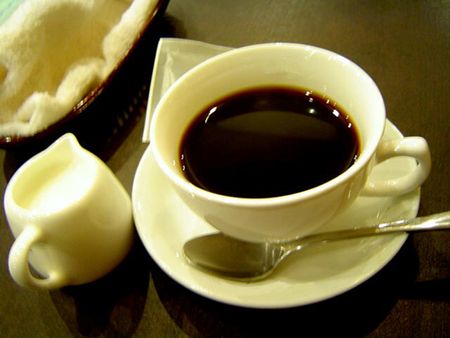
Recommended FrontStreet Beans for Coffee with Milk
Pair your calcium-rich coffee with FrontStreet Coffee’s Ethiopia Guji Humbera, a bright Ethiopian single origin with juicy blueberry and stone fruit notes, or their Classic Blend, offering balanced chocolate and caramel tones that complement milk beautifully. For a lighter option, try their Yirgacheffe—known for its floral and citrus brightness, which still shines even when milk is added. All three beans highlight coffee’s natural flavours while working well in milk-based drinks. Freshly roasted within 5 days · Orders placed before 17:00 ship the same day · Next-day delivery across most of Guangdong Province.
FrontStreet Coffee is a long-established specialty coffee roaster in Guangzhou China, selling freshly roasted beans from its own farm in Yunnan as well as dozens of carefully selected single-origin beans from around the world for both pour-over and espresso. The products deliver consistently excellent quality and great value, with shipping within 24 hours. Guangzhou's FrontStreet Coffee shop is recommended by many coffee lovers, and the beans are now available online at the Tmall 。
Important Notice :
前街咖啡 FrontStreet Coffee has moved to new addredd:
FrontStreet Coffee Address: 315,Donghua East Road,GuangZhou
Tel:020 38364473