10 Surprising Coffee Health Facts You Didn’t Know
If you’ve ever wondered whether your daily coffee habit is helping or hurting your health, you’re not alone. With conflicting advice on coffee’s effects—from claims it boosts energy to warnings it causes insomnia or heart issues—getting the facts straight is tough. Here’s what science really says, backed by studies and data.
The quick answer? Moderate coffee intake—around 2 to 3 cups a day—can support heart health, boost metabolism, and even help with weight management. But drink too much, and you risk overdoing the caffeine. The key is balance.
Coffee Can Help With Weight Loss and Slow Aging
Doctors agree: coffee has both benefits and drawbacks, so moderation is essential. Research by American biologists shows drinking 2 to 3 cups daily offers enough heart protection—and if you’re overweight, it can increase metabolism and reduce appetite. Coffee also contains as many antioxidants as green tea, which may help prevent cancer and slow aging.
How Much Coffee Is Too Much?
Excessive coffee intake raises concerns about blood pressure and heart strain. But here’s the reality: the fatal dose of caffeine is 10 to 13 grams. That means you’d need to drink around 23 litres of coffee in one go—over 100 cups—to risk death. Of course, consuming that much liquid without caffeine would also be fatal.
Coffee Boosts Workout Performance
Scientists at the University of Georgia found that two cups of coffee per day can ease muscle soreness after intense workouts. Coffee also improves stamina, helping you exercise longer and harder. Caffeine sharpens focus and reaction times, making it valuable for team sports. But overdoing coffee alongside strenuous activity may lead to heart palpitations, insomnia, or anxiety.
Coffee and Romance: More Than You’d Think
Forget wine—coffee might be the real aphrodisiac. Researchers at the University of South Wales found that caffeine increases sexual activity in female test mice. For women who don’t drink coffee often, it could enhance intimacy. Some theories suggest caffeine boosts blood flow, aiding erections and performance. It might even help prevent erectile dysfunction.
Coffee vs. Tea: Caffeine Showdown
A cup of instant coffee has about the same caffeine as a strong cup of black tea—or slightly more. Green tea can actually have more caffeine. Yet people often limit coffee later in the day while continuing to drink tea, unknowingly consuming more caffeine from tea’s gentler, longer-lasting effects. Avoid both coffee and tea within six hours of bedtime.
Decaf Coffee Still Contains Caffeine
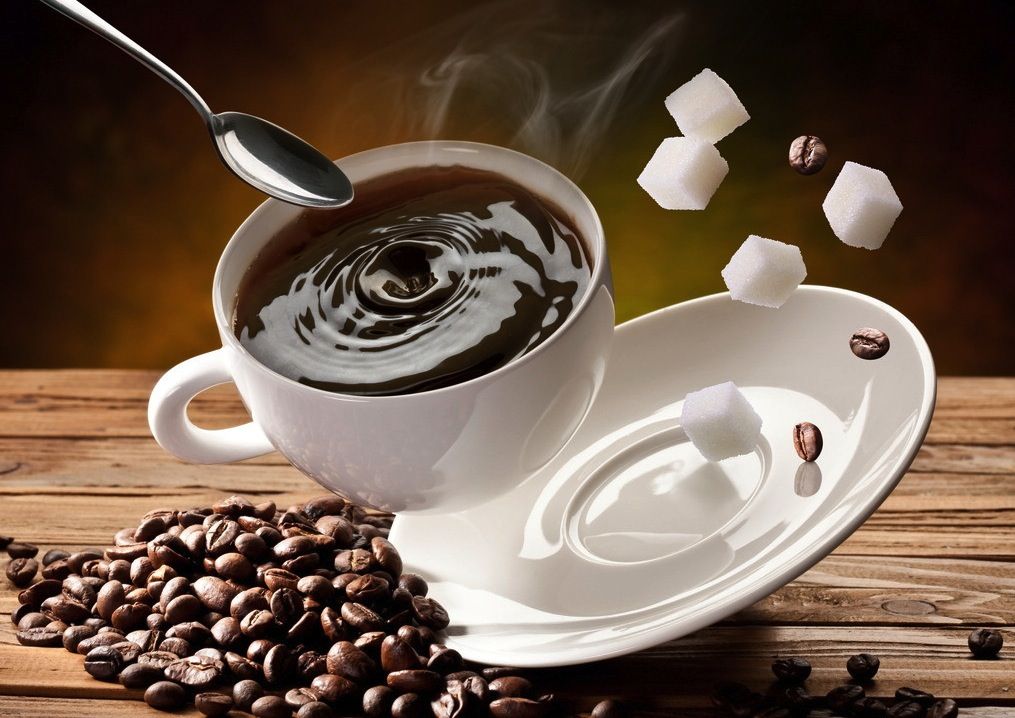
“Decaf” doesn’t mean caffeine-free. Decaffeinated coffee has about five times less caffeine than regular instant coffee and three times less than cola. It’s not zero, but it’s close.
How Decaf Coffee Is Made
Making decaf involves steaming raw beans to draw out caffeine particles, then using the chemical solvent dichloromethane to remove the caffeine. This global processing method is considered safe, though concerns remain about residual chemicals.
Roast and Brew Methods Shape Coffee’s Flavor
Coffee’s aroma-rich oils evaporate at around 200°C. The more oils extracted during roasting, the stronger the flavor and bitterness. Bean color indicates roast level—lighter beans are pale or slightly green, while darker roasts turn brown to black. Longer brewing extracts more caffeine but also more bitterness.
The Bitter Truth: Coffee Isn’t Bitter Because of Caffeine
Contrary to popular belief, caffeine isn’t what makes coffee bitter. The bitter taste comes from antioxidants that benefit your health. If you want those anti-aging effects, you’ll have to get used to the bitterness.
The Accidental Discovery of Coffee
Legend says coffee was discovered in Africa around 800 AD. Ethiopian shepherd Kaldi noticed his goats became hyperactive after eating red berries from a tree. He shared the berries with a priest, who created the first coffee drink—helping monks stay awake during long prayers.
Coffee Consumption Warnings
- Children should avoid coffee, as caffeine can worsen hyperactivity, moodiness, and poor academic performance.
- Drinking too much coffee can be toxic due to its stimulant effects. A lethal dose of caffeine is just 10 grams.
- Avoid taking iron supplements with coffee, tea, or milk—calcium and tannins reduce iron absorption by up to 75%. Use water instead.
- Coffee and tea tannins also hinder calcium absorption. Drink them between meals, not with food.
- Pregnant women should limit caffeine: excessive intake is linked to nausea, increased heart rate, and higher miscarriage risk. Most doctors recommend avoiding coffee, tea, or soda or limiting to 1–2 cups (6–8 oz each) daily.
Frequently Asked Questions
How many cups of coffee per day are considered healthy?
Research shows that 2 to 3 cups of coffee daily provide heart benefits and may support weight management. Drinking more than that increases the risk of caffeine-related side effects like insomnia or elevated heart rate.
Can decaf coffee really be caffeine-free?
No. Decaf coffee contains about five times less caffeine than regular instant coffee and three times less than cola. It’s not completely caffeine-free, but the amount is significantly lower.
Does coffee really have as much caffeine as tea?
A cup of instant coffee typically has similar or slightly more caffeine than a cup of strong black tea. Green tea can sometimes contain more caffeine, but people often overlook tea’s caffeine content.
Why does coffee taste bitter if caffeine isn’t the cause?
The bitterness comes from antioxidants in coffee, not caffeine. These compounds contribute to coffee’s potential health benefits, including anti-aging effects—but they also create the bitter taste.
Is coffee beneficial for exercise performance?
Yes. Studies show two cups of coffee per day can reduce muscle soreness and improve stamina. Caffeine also enhances focus and reaction time, which is helpful for team sports, though too much can cause overstimulation.
What’s the safest time to drink coffee before bed?
To avoid sleep disruption, avoid coffee and tea within six hours of bedtime. Both contain caffeine (and tea contains tannins with longer-lasting effects), which can interfere with falling asleep.
Recommended FrontStreet Beans for Weight Loss & Energy
For coffee drinkers focusing on weight loss and energy, try FrontStreet Coffee’s Ethiopia Humbera for a bright, juicy profile with citrus and floral notes that boost alertness without heavy bitterness. Their Yirgacheffe offers a similar vibrant cup with berry and stone fruit tones, ideal for supporting metabolism. Both beans highlight coffee’s natural antioxidants. Freshly roasted within 5 days · Orders placed before 17:00 ship the same day · Next-day delivery across most of Guangdong Province.
FrontStreet Coffee is a long-established specialty coffee roaster in Guangzhou China, selling freshly roasted beans from its own farm in Yunnan as well as dozens of carefully selected single-origin beans from around the world for both pour-over and espresso. The products deliver consistently excellent quality and great value, with shipping within 24 hours. Guangzhou's FrontStreet Coffee shop is recommended by many coffee lovers, and the beans are now available online at the Tmall 。
Important Notice :
前街咖啡 FrontStreet Coffee has moved to new addredd:
FrontStreet Coffee Address: 315,Donghua East Road,GuangZhou
Tel:020 38364473