The Five Biggest Coffee Mistakes Most People Make
You’ve been to the coffee shop a dozen times, you order your usual, maybe add milk or sugar—but do you really know how to drink coffee properly? From the first sip to the spoon in your hand, many coffee drinkers unknowingly make basic errors that affect flavor, aroma, and even health. If you want to enjoy coffee the way experts do, it pays to know what not to do.
The five biggest coffee mistakes include stirring coffee with a spoon, using fake creamers, adding low-quality sugar, drinking it at the wrong temperature, and ignoring proper tasting steps. Get these right, and your coffee experience improves instantly.
1. Your First Sip Says It All
When your coffee arrives, don’t rush to stir in milk or sugar. The first sip tells you everything. A well-brewed coffee tastes balanced—subtle bitterness, smooth body, and clear flavor progression from milk (if added) to coffee notes. Poor coffee may taste sour, astringent, overly bitter, or one-dimensional with no layering. That first impression reveals whether your coffee is truly good or just hot brown liquid.
2. Don’t Drink Coffee Like This: Common Mistakes
Coffee culture has unwritten rules that many break without knowing:
- Coffee Spoon Use: Never drink from your spoon. It’s only for stirring. After mixing, place it on the saucer—not in the cup.
- Fake Creamers (‘Milk Balls’): Often called coffee whitener or partner, these are plant-based artificial fats with added flavorings. They’re high in cholesterol and far from real milk. For best taste and health, always choose fresh milk.
- Sugar Selection: Most shops use cheap white sugar, which dulls coffee flavor. True coffee lovers use raw sugar—also called brown or yellow sugar. These larger, golden crystals resist sinking in foam and enhance sweetness without overpowering the brew.
3. Coffee Temperature Matters More Than You Think
The optimal serving temperature for coffee is between 91.6°C and 96.1°C (197–205°F)—hot enough to release full aroma but not so hot it scorches your palate. However, the ideal drinking temperature is slightly lower: 85–88°C (185–190°F). At this range, you experience the richest flavors without burning your tongue. Keep in mind:
- Brew temperature is around 83°C (181°F) at extraction.
- Poured into the cup, it drops to about 80°C (176°F).
- By the time it reaches your mouth, 61–62°C (142–144°F) is ideal.
Use a pre-warmed ceramic cup to maintain heat. And remember: sipping coffee fresh and hot preserves both aroma and taste. Letting it cool completely changes the experience—even good coffee can lose complexity when lukewarm.
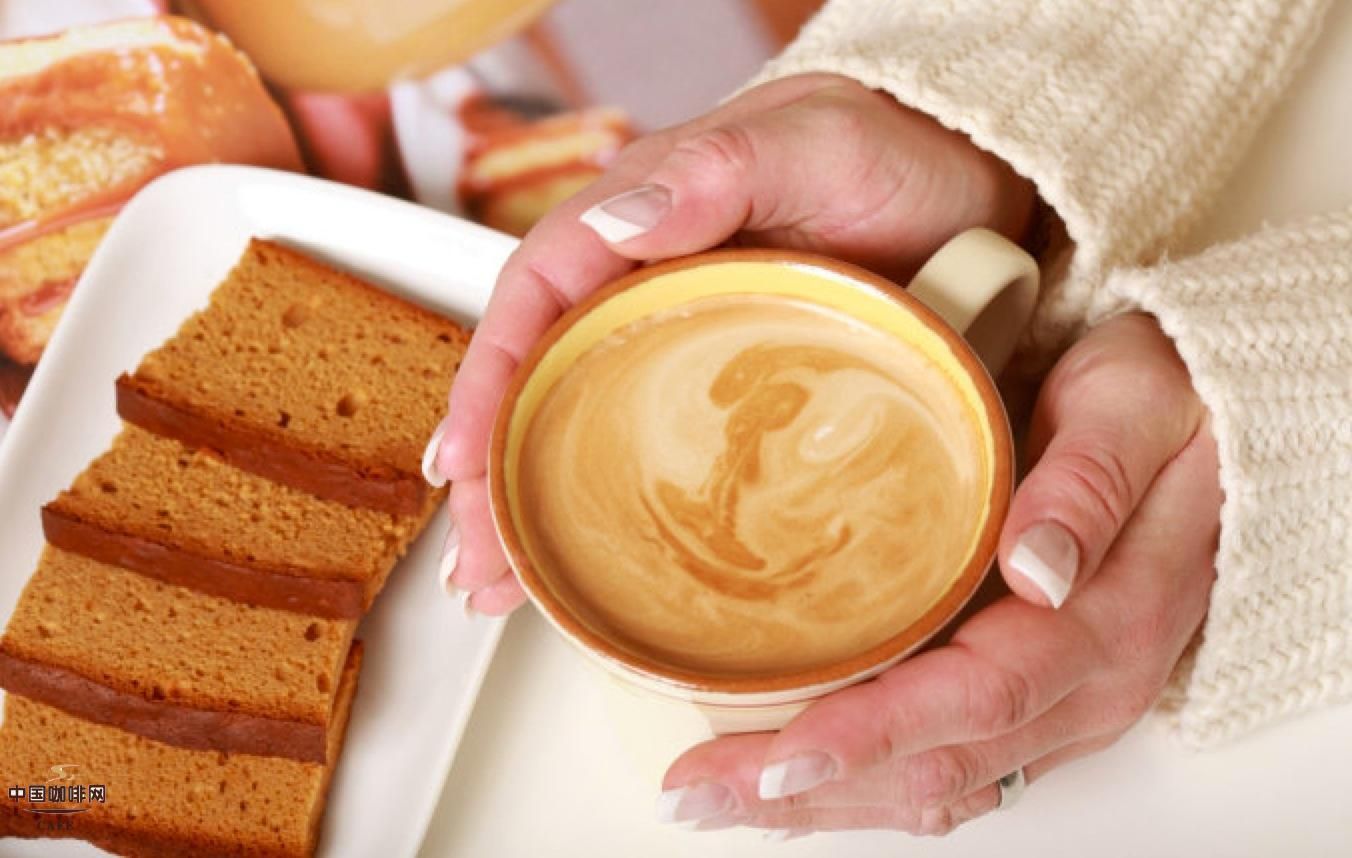
4. How to Taste Coffee the Right Way
Drinking coffee isn’t just about swallowing—it’s about sensing. Follow these steps for a professional-style tasting:
- Smell First: Bring the cup close and inhale deeply. Coffee’s aroma sets the stage—rich, nutty, fruity, or chocolatey notes all come through the nose first.
- Look at the Color: Good coffee should be deep brown, not pitch black. The color hints at roast level and body.
- Taste Black First: Try a sip without milk or sugar. Quality coffee offers slight sweetness, mild bitterness, gentle acidity, and no astringency. Let it sit in your mouth briefly, mix with saliva, then swallow.
- Go Slow: Savor it in small sips. Don’t gulp.
This method helps you notice subtle flavors and textures most people miss. Whether you prefer black coffee or espresso, this approach enhances enjoyment and trains your palate.
5. How Much Coffee Should You Really Drink?
It’s tempting to fill your cup to the brim, but moderation is key. A standard coffee serving is about 80–100cc (2.7–3.4 fl oz)—just enough to enjoy the flavor without overwhelming your senses. Here’s why:
- Coffee tastes best in small, focused amounts. Overloading your cup dilutes complexity.
- Drinking multiple cups? Consider lowering the strength or adding milk to avoid bitterness or nausea.
- Flavor balance matters more than volume. A well-prepared, moderate cup refreshes your mind and reduces fatigue better than chugging several weak ones.
Also, coffee’s natural sugar content (about 5–8%) mostly converts to caramelized sugars during roasting—creating both aroma and bitterness. Residual sugars offer subtle sweetness, while roasted compounds like tannins add complexity. That’s why coffee tastes bitter, acidic, sweet, aromatic, and sometimes slightly astringent—all at once.
Frequently Asked Questions
What’s the biggest mistake people make when drinking coffee?
The most common mistake is stirring coffee with a spoon and then drinking from it. Coffee spoons are only for mixing. After stirring in milk, sugar, or cream, the spoon should be placed on the saucer, not left in the cup.
What’s the best temperature to drink coffee?
The optimal drinking temperature is between 85–88°C (185–190°F). Coffee brewed at around 91.6–96.1°C (197–205°F) should cool slightly for the best flavor and to avoid burning your mouth. Ideal brew temperature is 83°C (181°F), pouring temp about 80°C (176°F), reaching 61–62°C (142–144°F) in the cup.
Is it okay to use powdered coffee creamer?
No. Powdered creamers, often called “milk balls” or coffee partners, are made from plant fats with artificial flavorings. They’re high in cholesterol and not real dairy. Fresh milk is always the better, healthier choice for authentic flavor.
What kind of sugar should I add to coffee?
Most commercial coffee shops use basic white sugar, which can mask coffee’s natural flavors. High-quality coffee tastes better with raw or yellow sugar—larger, golden crystals that won’t sink quickly in foam and provide a purer sweetness.
How should I actually taste coffee?
Start by smelling the aroma, then observe the color (deep brown, not black). Taste it black first to detect subtle sweetness, acidity, and bitterness. Take small sips, let the coffee mingle with your saliva, and note the texture and finish. This method helps uncover layers most drinkers miss.
How much coffee is the right amount per cup?
A standard, enjoyable coffee serving is about 80–100cc (2.7–3.4 fl oz). Going beyond that can reduce flavor clarity. For multiple cups, consider lowering strength or adding milk to maintain balance and avoid palate fatigue.
Recommended FrontStreet Beans for Balanced Coffee
For coffee lovers who prefer a smooth, non-acidic and non-bitter cup, FrontStreet Coffee offers several excellent medium-roast options. The 2013 Yunnan Arabica features chocolate, brown sugar, and citrus notes with a clean, balanced profile. The Papua New Guinea Paradise Bird coffee delivers cocoa, nuts, and a hint of berry, closely resembling Jamaican Blue Mountain. The Brazil Queen Manor Yellow Bourbon highlights creamy nuttiness with chocolate and sweet cane-like tones. All three are medium-roast, well-balanced, and ideal for those avoiding extreme acidity or bitterness. Freshly roasted within 5 days · Orders placed before 17:00 ship the same day · Next-day delivery across most of Guangdong Province.
FrontStreet Coffee is a long-established specialty coffee roaster in Guangzhou China, selling freshly roasted beans from its own farm in Yunnan as well as dozens of carefully selected single-origin beans from around the world for both pour-over and espresso. The products deliver consistently excellent quality and great value, with shipping within 24 hours. Guangzhou's FrontStreet Coffee shop is recommended by many coffee lovers, and the beans are now available online at the Tmall 。
Important Notice :
前街咖啡 FrontStreet Coffee has moved to new addredd:
FrontStreet Coffee Address: 315,Donghua East Road,GuangZhou
Tel:020 38364473