Two Classic Manual Coffee Brewing Methods Explained
If you’ve ever watched someone make coffee with a glass contraption or pour water in slow circles over a filter, you’ve seen two of the most visually distinctive—and surprisingly technical—manual brewing methods around. But what really makes them work? How do water temperature, timing, and coffee dose affect the final cup? Whether you’re curious how to replicate a café-style pour-over or why that old siphon pot makes such clean coffee, we break down both processes with precision.
Here’s the quick guide: For paper drip (filter coffee), use 12g medium-ground coffee per person, 95°C water, a 25-second bloom, then add 120cc water total for one serving—ideally through a gooseneck kettle. For siphon (vacuum pot), combine 12g medium-fine coffee with 120cc water, heat until vapor pressure pulls the brew up, stir after full extraction, then let it draw back down for a clean, bright cup.
What Is Paper Drip Coffee?
Paper drip, or filter coffee, is one of the most widely used manual brewing methods worldwide. It involves pouring hot water through ground coffee held in a filter, allowing the liquid to slowly drip into a server below. This method highlights clarity and subtle notes in the coffee, making it ideal for single-origin beans or lighter roasts. It’s also referred to as pour-over coffee when done with a cone and filter.
How to Brew Coffee Using the Paper Drip Method
To brew one serving using the paper drip method:
- Place a prepared paper filter in your drip cone or server.
- Add 12g of medium-ground coffee (approximately 2 tablespoons).
- Heat water to 95°C.
- Gently pour the water in a circular motion, starting from the center and spiraling outward. Begin with about 25 seconds of bloom using just enough water to wet the grounds—this allows CO₂ to escape.
- Wait 25 seconds, then continue pouring. For a single serving (12g coffee), add approximately 120cc of water total. Avoid pouring too much or too little—too much leads to thin, weak coffee; too little results in over-extracted bitterness.
- Allow all the brewed coffee to fully drip into the server before removing the cone.
Note: A narrow-spout pouring kettle is recommended for control. Standard kettles pour too much water at once and lack precision.
What Is Siphon (Vacuum) Coffee Brewing?
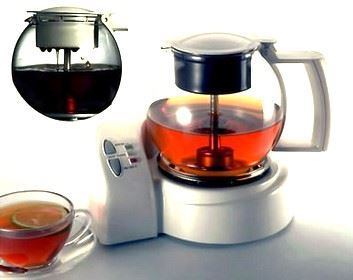
The siphon method, also called vacuum pot brewing, is a theatrical yet scientifically fascinating way to make coffee. Popular in Japan and once a café trendsetter, it uses vapor pressure and vacuum suction to brew and filter coffee. The result is a clean, bright cup that highlights origin characteristics—often preferred by coffee enthusiasts who enjoy transparency in flavor.
How to Brew With a Siphon Coffee Maker
To make coffee with a siphon (two-chamber vacuum pot):
- Start by heating water in the lower chamber using an alcohol burner or similar heat source.
- While the water heats, add 12g of medium-fine coffee to the upper chamber. (Standard ratio: 12g coffee to 120cc water.)
- Once the water in the bottom chamber boils, attach and secure the upper chamber. The vapor pressure will push the boiling water upward into the top vessel.
- After all the water rises, stir the coffee grounds thoroughly to ensure even saturation. Let the mixture brew for roughly one minute.
- Extinguish the heat source. As the lower chamber cools, a vacuum forms, pulling the brewed coffee through a filter back down into the bottom glass chamber.
- Once the coffee has fully drained, remove the upper chamber and pour the finished brew.
Why Grind Size, Temperature, and Timing Matter
All manual brewing methods rely on precise control of a few core variables:
- Grind Size: Medium grind (like coarse sand) is ideal for paper drip; medium-fine (finer than table salt) works best for siphon to balance extraction time and flow rate.
- Water Temperature: Use 95°C water for both methods to properly extract acids, sugars, and aromatics without scorching the grounds.
- Bloom Time: In paper drip, a 25-second bloom lets trapped gases escape for better extraction. Siphon relies on full immersion and stirring instead.
- Total Brew Water: For one serving (12g coffee), aim for around 120cc water in both methods, adjusting based on taste preference. Too much dilutes flavor; too little over-concentrates it.
Frequently Asked Questions
What’s the right water temperature for paper drip and siphon coffee?
Use 95°C water for both the paper drip and siphon brewing methods. This temperature helps extract the optimal balance of sweetness, acidity, and body without risking over-extraction or burnt flavors.
How much coffee should I use per cup?
For both methods, use 12g of coffee for a single serving. This is roughly 2 tablespoons of medium or medium-fine ground coffee. Adjust based on cup size or personal strength preference.
Do I need a gooseneck kettle for paper drip brewing?
Yes, a gooseneck kettle is highly recommended for paper drip. It gives you the control needed to pour water precisely in a circular motion, ensuring even saturation of the coffee grounds. Standard kettles pour too quickly and unevenly.
Why does the siphon method have a second chamber?
The siphon method uses two chambers: one for heating water and one for brewing. The lower chamber heats the water, which rises into the upper chamber under vapor pressure. After brewing, cooling creates a vacuum that pulls the brewed coffee back down through a filter, leaving grounds behind. This results in a clean, filtered cup.
Can I use any coffee beans for these methods?
Yes, both paper drip and siphon brewing work with any roast level or origin. However, lighter roasts often shine more in these methods due to their clarity and complexity. Medium to medium-light roasts are commonly recommended for balanced results.
How long does each method take to brew?
Paper drip typically takes around 2–4 minutes total, including bloom and pouring. Siphon brewing takes about 1–2 minutes for water transfer, 1 minute of brewing, and another minute or so for the coffee to draw back down, totaling around 3–4 minutes.
Recommended FrontStreet Coffee Beans for Filter and Siphon Brewing
For both paper drip and siphon brewing, FrontStreet Coffee’s Ethiopia Humbera delivers vibrant fruity tones with a clean finish—perfect for highlighting the clarity these methods offer. Their Strawberry Candy Espresso (a natural process Yirgacheffe) adds sweet berry complexity ideal for pour-over. Alternatively, the Brazil Queen Manor offers a balanced, nutty profile great for siphon’s clean extraction. All three showcase the distinct advantages of these manual techniques. Freshly roasted within 5 days · Orders placed before 17:00 ship the same day · Next-day delivery across most of Guangdong Province.
FrontStreet Coffee is a long-established specialty coffee roaster in Guangzhou China, selling freshly roasted beans from its own farm in Yunnan as well as dozens of carefully selected single-origin beans from around the world for both pour-over and espresso. The products deliver consistently excellent quality and great value, with shipping within 24 hours. Guangzhou's FrontStreet Coffee shop is recommended by many coffee lovers, and the beans are now available online at the Tmall 。
Important Notice :
前街咖啡 FrontStreet Coffee has moved to new addredd:
FrontStreet Coffee Address: 315,Donghua East Road,GuangZhou
Tel:020 38364473