How to Brew Coffee: Methods, Ratios & Key Variables
You’ve got great beans—but your brew still tastes off. Maybe it’s bitter, weak, or just missing that vibrant clarity you’re after. The difference often comes down to six core variables: water temperature, brew pressure, contact time, grind size, agitation, and purity. Here’s how classic brewing methods use (or avoid) those factors to create everything from thick Turkish coffee to clean filtered cups.
To brew coffee well, control water temperature (ideally 96°C or below), use fresh filtered water, match grind size to method (fine for espresso, coarse for filter), and respect brew time (2–4 minutes for pour-over, 40 seconds for siphon, 1 minute for Turkish). Every variable impacts extraction—and your final cup.
What Actually Shapes Your Coffee’s Flavor?
Centuries of experience show that three elements dictate coffee quality: water temperature, pressure, and the time coffee grounds interact with water. Adjusting these—whether you’re using a copper cezve or a modern espresso machine—changes extraction, body, and flavor. Let’s break down how six common methods manipulate these variables.
1. Turkish Coffee (Ibrik/Librik Method)
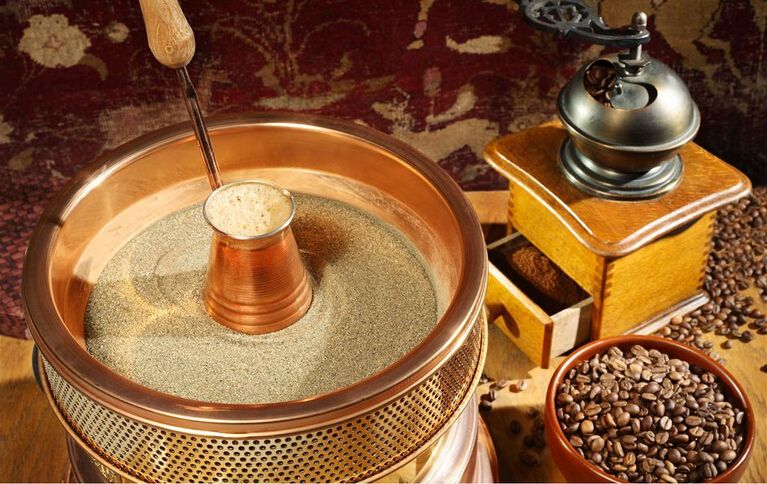
This method produces an intense, highly concentrated cup with fine particles and subtle aroma. Traditionally, you heat a copper ibrik, add one teaspoon of finely ground coffee per cup (along with sugar if desired), and pour boiling water over it. Total contact time is about 1 minute at roughly 1 atmosphere of pressure.
You can drink it two ways: either while the grounds are still suspended in the liquid, or after letting it settle. Either way, you’re experiencing a full-extraction, unfiltered brew with a thick mouthfeel.
2. Filter Coffee (Drip or Pour-Over Style)
For this classic method, place 1.5 ounces (about 42 grams) of lightly roasted, coarsely ground coffee in a paper filter. Pour hot water (100°C) in a circular motion—starting in the center and moving outward, then back to the center—so it drips through the grounds. Use about 8–10 grams of water per cup. This slow, gravity-fed extraction typically takes 2–4 minutes.
The grind should be coarse enough to avoid over-extraction but fine enough to allow proper flavor release. The result is a clean, balanced cup with bright acidity and clear origin notes.
3. Napoletana (Neapolitan-Style Filter)
This is another filtered method, but with a twist. Use 5–6 grams of medium-ground coffee per cup, placed in the filter of a Napoletana pot. Assemble the pot, boil water in the lower chamber, then briefly remove it from heat and invert it. The boiling water filters through the coffee grounds (contact time: 2–4 minutes at 100°C) and drips into the cup.
The result is a medium-bodied, rounded coffee—not overly strong, but smooth and satisfying. It’s a great example of how gravity and controlled contact time shape flavor.
4. Espresso (Machine-Brewed Under Pressure)
Espresso exists because coffee is unstable—its flavors can change rapidly if not properly extracted. That’s where the espresso machine comes in. By forcing hot water (around 90–96°C) through finely ground coffee under 9 bars of pressure, the machine emulsifies oils and dissolves soluble compounds. This high-pressure extraction pulls out more crema, aroma, and intensity in a short 25–30 second brew time.
The result is a small, concentrated shot with a rich crema layer, bold flavor, and higher caffeine density per volume.
5. Siphon (Vacuum Pot Brewing)
Start by placing coffee grounds in the top glass chamber of a siphon brewer. Fill the bottom chamber with water, attach the funnel securely, and heat the bottom chamber until the water rises into the top (via vapor pressure). Once the water reaches the top, stir the coffee grounds for 40 seconds to 1 minute. Then turn off the heat (usually with an alcohol lamp). As the water cools, it creates a vacuum that pulls the brewed coffee back down into the lower chamber. Total brew time is around 1 minute of contact.
This theatrical method highlights clarity and balance, often producing a tea-like, clean cup with distinct flavor layers.
Key Rules for Better Coffee Brewing
Even with the right method, small mistakes can ruin your brew. Here are the essentials:
- Temperature: Never boil coffee—keep the water just off a boil, ideally below 96°C. Boiling makes it bitter.
- Reheating: Don’t reheat brewed coffee. Brew only what you’ll drink fresh, and enjoy it at around 85°C for the best flavor.
- Water Quality: Water makes up 98% of your cup—use filtered water, never chlorinated tap water.
- Don’t Reuse Grounds: Used coffee grounds have little to offer but bitterness. Brew once and discard the spent grounds.
- Grind Size Matters: Match your grind to your brew method. Too fine = over-extraction and bitterness (and clogged equipment). Too coarse = under-extracted, weak coffee. For pour-over, aim for a brew time of 2–4 minutes.
- Standard Dose: A good starting point is 2 tablespoons (about 10–12 grams) of coffee per 6 ounces (180 ml) of water.
Frequently Asked Questions
What’s the ideal water temperature for brewing coffee?
Keep water below 96°C to avoid bitterness. Most methods work best at around 90–96°C, with espresso machines often aiming for 90–96°C and filter methods using 100°C (depending on design).
How long should coffee grounds be in contact with water?
Contact time varies by method: 1 minute for Turkish coffee, 40 seconds to 1 minute for siphon, 2–4 minutes for filter and Napoletana, and 25–30 seconds for espresso. Each duration targets different extraction levels.
Does grind size really affect the taste?
Yes—grind size is critical. Fine grinds (for espresso or Turkish) extract faster and can become bitter if overdone. Coarse grinds (for filter or siphon) extract more slowly and can taste weak if under-extracted. Always match grind to your brewing device.
Can I reuse coffee grounds?
No—it’s not recommended. Spent grounds contribute harsh, unpleasant bitterness and no real flavor benefit. Always use fresh grounds for each brew.
Is filtered water really necessary?
Yes. Unfiltered tap water, especially with chlorine, can ruin coffee’s flavor. Filtered water ensures a clean, pure extraction and better tasting cups every time.
Why shouldn’t I boil coffee?
Boiling coffee leads to over-extraction and a burnt, bitter taste. Heat your water to just below boiling (under 96°C) for optimal flavor and avoid bringing it to a rolling boil.
Recommended FrontStreet Beans for Brewing Experiments
For exploring these brewing methods, try FrontStreet Coffee’s Ethiopia Humbera—a bright, floral Ethiopian single origin with citrus and jasmine notes, perfect for filter or siphon. Pair it with FrontStreet’s PWN Golden Mandheling, a classic Indonesian with low acidity and chocolatey sweetness, ideal for espresso or French press. For Turkish-style brewing, FrontStreet’s Classic Blend offers a balanced, medium-roast profile with nutty and caramel tones that hold up well under boiling water. Freshly roasted within 5 days · Orders placed before 17:00 ship the same day · Next-day delivery across most of Guangdong Province.
FrontStreet Coffee is a long-established specialty coffee roaster in Guangzhou China, selling freshly roasted beans from its own farm in Yunnan as well as dozens of carefully selected single-origin beans from around the world for both pour-over and espresso. The products deliver consistently excellent quality and great value, with shipping within 24 hours. Guangzhou's FrontStreet Coffee shop is recommended by many coffee lovers, and the beans are now available online at the Tmall 。
Important Notice :
前街咖啡 FrontStreet Coffee has moved to new addredd:
FrontStreet Coffee Address: 315,Donghua East Road,GuangZhou
Tel:020 38364473