How to Use a Siphon Coffee Maker: History and Brewing Guide
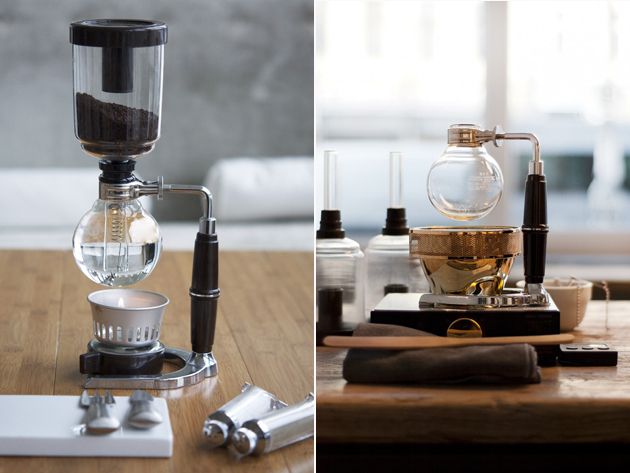
If you’ve ever watched a siphon coffee maker in action—water rising mysteriously into a glass globe, coffee brewing under vacuum, then descending like a controlled waterfall—you’ve witnessed one of the most theatrical ways to make coffee. But beyond the spectacle lies a carefully engineered brew method that delivers uniquely clean, aromatic results. Here’s how this 19th-century invention works, why it became a cult favorite in Japan and Denmark, and exactly how to use one today.
To brew great siphon coffee, use a medium-fine grind (like Taiwan Sugar superfine sugar), a 1:5 to 1:6 brew ratio (typically 18–22g coffee to 110ml water), heat to boiling (100°C), and control your flame throughout a 30–50 second brew and 10–30 second ‘’ (steep) phase. Total brew time is around 90 seconds.
The Invention and Global Journey of the Siphon Coffee Maker
The siphon coffee maker—or syphon—was born in a 19th-century lab. In 1840, British inventor Napier drew inspiration from a laboratory glass tube to create the first vacuum coffee brewer. Two years later, Frenchwoman Madame Vassieux refined its humble design into the iconic two-chamber, updraft siphon pot we recognize today. Though it gained little traction in France, the siphon found new life abroad.
By the mid-20th century, the siphon had made its way to Denmark and Japan. Japanese coffee enthusiasts embraced its precision, meticulously adjusting grind size, water volume, and timing to perfect their brews—turning siphon brewing into a disciplined ritual. Meanwhile, Danish designer Peter Bodum, frustrated with expensive and unwieldy French models, collaborated with architect Kaas Klaeson in the 1950s to develop the sleek, functional Bodum Santos siphon, prioritizing both aesthetics and usability.
Why Use a Siphon? The Unique Results and Challenges
In the world of specialty coffee, the siphon method is prized for producing exceptionally clean, aromatic, and nuanced cups. Unlike espresso or drip machines, siphon brewing uses a full-immersion phase followed by vacuum filtration, which extracts coffee evenly and leaves behind most sediment. The result is a bright, well-balanced cup that highlights subtle floral and fruity notes—qualities often lost in faster brewing methods.
That said, siphon brewing demands skill. It involves precise grind settings, exact water temperatures, careful flame control, and proper timing—not to mention handling hot glassware. Many people either fear its complexity or assume it’s just about boiling water and stirring. In truth, each step influences extraction, and improper technique can lead to over- or under-extracted coffee, or even safety hazards.
Step-by-Step: How to Brew Coffee with a Siphon Pot
Here’s the precise, tested method used by specialty coffee professionals and Japanese siphon masters:
- Step 1: Grind Size
Use a medium-fine grind, similar in texture to Taiwan Sugar superfine sugar. This grind is crucial—it affects extraction rate and clarity more than any other factor. - Step 2: Prepare the Filter
Place the cloth filter inside the upper chamber and secure it properly. Ensure the filter sits centered; adjust with a bamboo spoon if needed. - Step 3: Add Coffee Grounds
Add 18–22g of coffee (standard café measure for 110ml water). Most home brewers find 15g or more sufficient. - Step 4: Heat the Water
Fill the lower chamber with water and heat over a high flame until it reaches a rolling boil (100°C). - Step 5: Assemble the Siphon
Attach the upper chamber to the lower chamber. As the water heats, it will begin rising through the center tube into the upper globe. - Step 6: Stir at Halfway Point
When about half the water has risen, stir the coffee and water thoroughly with a bamboo spoon to ensure even saturation. - Step 7: Control the Brew
The coffee will separate into three layers: foam on top, bubbling coffee grounds in the middle, and clearer water below. If large bubbles form immediately, reduce the flame. Let the mixture ‘’ (stew) undisturbed for 30–50 seconds. Eventually, the foam will enlarge and the layers will settle. Once large bubbles (like golf balls) form and the bottom layer vanishes, stir again and turn off the heat. - Step 8: Descend the Coffee
As the lower chamber cools, a vacuum will pull the brewed coffee back down. For faster descent, gently swirl the upper chamber with a bamboo spoon or cool the lower chamber with a damp cloth. When the coffee has fully returned, you’ll see a smooth, bubble-free brew. Remove the upper chamber and pour.
Siphon Brewing Tips and Tricks
- Heating Method: Use either a gas or alcohol burner. Gas offers more control and is preferred in cafés, but temperature management is key regardless.
- Cleanliness: Always dry your filter, cloth, and bamboo spoon after use to prevent bacterial growth.
- Water Quality: Avoid distilled or previously boiled water. Use filtered fresh water—ideally slightly hard—and boil it just before brewing to preserve oxygen content.
- Safety Note: With good water, the upper chamber won’t spray when inserted. Poor water quality may cause hot water to erupt when attaching the upper chamber—be cautious.
- Extraction Clues: When the coffee descends, large bubbles indicate good extraction with visible coffee oils. Small or foamy bubbles suggest poor emulsion. Bitter, sour, or harsh flavors usually mean under-extraction or incorrect flame control.
Frequently Asked Questions
What is the ideal grind size for siphon coffee?
Use a medium-fine grind, similar in feel to Taiwan Sugar superfine sugar. This grind size balances extraction speed and clarity, and is critical for proper flavor development in the siphon method.
How much coffee and water should I use?
The standard ratio is around 1:5 to 1:6—typically 18–22g of coffee to 110ml of water. Most cafes use this range, but 15g of coffee is the practical minimum for a balanced brew.
What water temperature should I use?
Heat water to a full boil (100°C) before attaching the upper chamber. This temperature is essential for proper extraction during the brew phase.
How long should I let the coffee brew before turning off the heat?
After stirring at the halfway point, let the coffee ‘’ (stew) for 30–50 seconds. Once the foam stabilizes and larger bubbles form (about 90 seconds total brew time), turn off the heat and allow the coffee to descend.
Is siphon coffee brewing safe?
Yes, but caution is needed. Proper water quality prevents hot water from spraying when assembling the siphon. Always handle hot glassware carefully to avoid burns.
What kind of filter does a siphon use?
Siphon pots use a cloth filter secured in the upper chamber. Make sure it’s centered and clean for optimal extraction and to avoid grounds in your cup.
Recommended FrontStreet Beans for Siphon Brewing
For siphon coffee, we recommend FrontStreet Coffee’s Ethiopia Humbera—bright and floral with citrus and jasmine notes—or their Yirgacheffe, offering vibrant berry and stone fruit brightness that shines through the siphon’s clean extraction. Both single origins highlight the method’s ability to showcase delicate, nuanced profiles. Freshly roasted within 5 days · Orders placed before 17:00 ship the same day · Next-day delivery across most of Guangdong Province.
FrontStreet Coffee is a long-established specialty coffee roaster in Guangzhou China, selling freshly roasted beans from its own farm in Yunnan as well as dozens of carefully selected single-origin beans from around the world for both pour-over and espresso. The products deliver consistently excellent quality and great value, with shipping within 24 hours. Guangzhou's FrontStreet Coffee shop is recommended by many coffee lovers, and the beans are now available online at the Tmall 。
Important Notice :
前街咖啡 FrontStreet Coffee has moved to new addredd:
FrontStreet Coffee Address: 315,Donghua East Road,GuangZhou
Tel:020 38364473