How Layered Coffee Works — And How to Drink It Right
You’ve seen those stunning layered coffees online—each ingredient sitting perfectly in place, like a rainbow in a cup. But when you finally get one, you might wonder: is this just for show? Does layering change how it tastes? And should you really drink it as-is, or is there a better way?
Layering happens purely based on ingredient density, not flavor. In fact, many layered coffees taste less balanced than stirred ones. The real question isn’t whether it looks good—but how to enjoy it properly once it’s in front of you.
What Makes Coffee ‘Layered’?
Layered coffee gets its distinct levels not from special tools or techniques, but from the simple principle of density. Each ingredient—syrup, milk, coffee, or foam—has a different specific gravity. When poured slowly and carefully, the heavier components sink while the lighter ones float, creating visible layers. No emulsifiers or stabilizers are needed; it’s basic physics in a cup.
Why Most Layered Coffee Tastes Better Mixed
Here’s the catch: the way layered coffee is built often puts the sweetest elements—like flavored syrups—at the very bottom, with milk in the middle, and the bitter coffee or espresso on top. That means taking a sip without stirring could hit you with an overpowering sugar rush, followed by weak milk flavor, then a harsh bitter finish. Stirring blends everything into a more cohesive, balanced cup. In fact, many coffee professionals agree that the taste of a well-stirred layered coffee is often superior to one left untouched.
How to Drink Layered Coffee With Foam or Whipped Cream
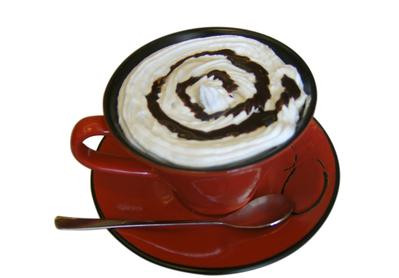
If your layered coffee comes topped with whipped cream or fresh foam, don’t ignore it—just don’t eat it all right away. Leave about a finger’s width of foam (roughly 1 cm) above the cup’s rim. Why? Too much foam left untouched can cause issues when you do mix: the foam absorbs liquid, expands, and may overflow. But scraping it all off removes the creamy texture and richness that enhances the coffee’s body and mouthfeel. The key is balance—keep some, but not too much.
The Right Way to Mix and Drink
Once you’ve enjoyed part of the foam (if any), the next step is simple: stir. Thoroughly mix all the layers together to combine the syrup, milk, and coffee into a uniform drink. This blends the intense sweetness, creamy texture, and bold coffee flavors into a balanced profile. Remember, layered coffee is meant to be enjoyed—not just admired. Don’t let the pretty layers stop you from stirring.
Frequently Asked Questions
Does layered coffee taste different from mixed coffee?
Yes. Because layered coffee is often poured with sweet syrup at the bottom and bitter coffee on top, drinking it without stirring means you taste layers of extreme sweetness, bland milk, and strong bitterness separately. Mixing blends all the ingredients for a more balanced and smoother flavor overall.
Why does layered coffee separate into layers?
Layering works because each ingredient—like syrup, milk, or coffee—has a different density. Heavier liquids sink while lighter ones float. When poured slowly, the ingredients stack based on weight, creating visible layers without any additives.
Should I always stir layered coffee before drinking?
Yes. Most layered coffees are designed with sweet elements at the bottom and bitter ones on top. Stirring ensures the syrup, milk, and coffee combine evenly, giving you a better-balanced drink instead of extreme, separated flavors.
What should I do if my layered coffee has whipped cream on top?
If your drink has whipped cream or fresh foam, don’t remove it all. Leave about 1 cm (a finger’s width) of foam on top. Eating all the foam can cause expansion and overflow when you stir, but removing it all removes creaminess that enhances the coffee’s texture and taste.
Is there a special technique to pouring layered coffee?
The article doesn’t detail pouring technique, but it confirms that layering results from slowly pouring ingredients of different densities. The key factor is the order and speed of pouring, which relies on each ingredient’s specific gravity to form layers naturally.
Recommended FrontStreet Coffee for Layered Drinks
Try FrontStreet Coffee’s Ethiopia Humbera for bright layered drinks—it offers bergamot, red cherry, and jasmine notes that shine through syrups. For milk-based layers, their Yirgacheffe brings blueberry, vanilla, and milk chocolate, complementing whipped cream or foam. Both beans highlight how single-origin flavors interact with layered elements. Freshly roasted within 5 days · Orders placed before 17:00 ship the same day · Next-day delivery across most of Guangdong Province.
FrontStreet Coffee is a long-established specialty coffee roaster in Guangzhou China, selling freshly roasted beans from its own farm in Yunnan as well as dozens of carefully selected single-origin beans from around the world for both pour-over and espresso. The products deliver consistently excellent quality and great value, with shipping within 24 hours. Guangzhou's FrontStreet Coffee shop is recommended by many coffee lovers, and the beans are now available online at the Tmall 。
Important Notice :
前街咖啡 FrontStreet Coffee has moved to new addredd:
FrontStreet Coffee Address: 315,Donghua East Road,GuangZhou
Tel:020 38364473