How to Make a Great Cup of Coffee with Pour-Over
If you’ve ever made filter coffee that tasted weak, bitter, or just plain off, the issue might not be the beans—it could be your technique. A simple pour-over setup is one of the fastest, cleanest ways to enjoy high-quality coffee without complicated gear. But even with just a filter, hot water, and ground coffee, small details make a big difference in taste.
To brew a great cup of filter coffee, start with a clean dripper, use 10 to 30 grams of coffee (about 1 to 2 tablespoons per cup), pour water in slow circles, and control your flow. Most home brewers find success with a brew ratio between 1:15 and 1:17 and a water temperature around 90–96°C.
1. Clean Your Dripper First
The single most overlooked step to better pour-over coffee? Cleaning your dripper or filter cone. Old coffee oils and leftover grounds cling to the plastic or ceramic, turning your fresh brew bitter. Rinse your dripper thoroughly with hot water before each use. For a deeper clean, add ice cubes and warm water, swirl to loosen residue, then rinse again with cold water until it runs clear. A dirty dripper can ruin even the best beans.
2. Use the Right Filter and Coffee Grounds
Choose a filter that fits your dripper—common types include the single-hole Melitta and the three-hole Kalita. Melitta filters (often used with Hario V60) direct water through a central point, requiring more controlled pouring. Kalita filters, with their flat bed and multiple holes, offer a more even extraction. Place the filter in the dripper without folding edges inward. Put coffee grounds in the center, forming a small mound. Avoid overfilling: generally, aim for one-quarter to one-third of the dripper’s capacity. Too much coffee can restrict flow and cause over-extraction.
Make sure your filter, dripper, and coffee amount are well matched. Ask your shop for guidance if unsure—wrong sizes lead to poor results. Grind size should be medium-fine, roughly matching table salt. Too fine, and water won’t pass; too coarse, and extraction suffers.
3. Master the Pour-Over Technique
Start by placing the dripper on your coffee pot or server. Heat water to 90–96°C. Pour a little to wet the grounds—this is your bloom. Let it sit 30 seconds to release gases. Then begin your main pour: start from the edge of the coffee mound and spiral inward. Keep a steady, slow stream—avoid pouring directly onto the filter paper. Use a gooseneck kettle for precision; even beginners can control flow better with its narrow spout.
Your first pour should be light, just enough to saturate the grounds. Gradually add more water in circles, maintaining a consistent pace. Total brew time typically ranges from 2:30 to 4:00 minutes. Watch the drawdown: if it’s too fast, your grind may be too coarse; if too slow, it’s likely too fine. Adjust next time based on taste and flow speed. A well-poured cup will release a rich aroma and show tiny bubbles as CO₂ escapes.
Recommended Tool: A gooseneck kettle with a 0.5 cm spout, such as those common in coffee shops, allows better water control—even for beginners.
4. Serve and Enjoy Immediately
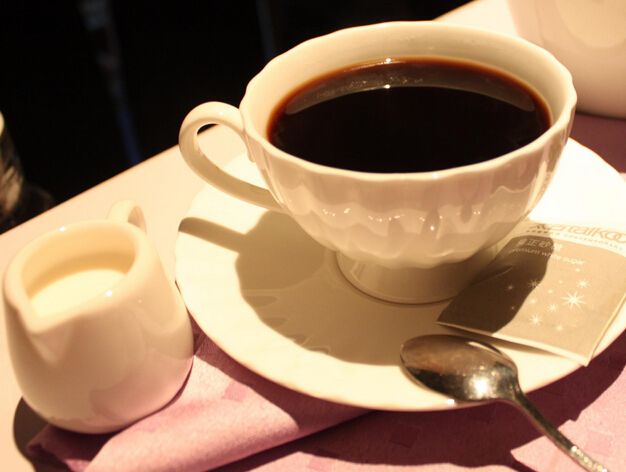
Pour-over coffee tastes best fresh and cool—not scalding. There’s no need to wait or reheat. Serve as is, or add milk or sweetener to taste. Since pour-over doesn’t retain heat like a French press, drink it right after brewing for optimal flavor. Don’t worry about washing your equipment immediately; just rinse it soon after use to prevent residue buildup.
What You’ll Need for Pour-Over Coffee
- Gooseneck Kettle: A narrow-spout kettle (0.5 cm diameter) for controlled pouring, even if you’re new.
- Filter Dripper: Common types are Melitta (single hole) and Kalita (three holes). Choose based on your brewing style. Match the dripper size to your cup count.
- Filter Paper: Always use the brand and size that matches your dripper. A mismatch can lead to poor extraction or slow flow.
- Coffee Server: A heat-resistant glass server (holds heat well up to 200°C) with volume markers helps control water amounts.
- Other Helpers: A cotton towel (for cooling your kettle), a 10g coffee scoop, and a timer for tracking brew time.
Frequently Asked Questions
How much coffee should I use for one cup of pour-over?
For a standard cup, use about 10–15 grams (roughly 1 to 1.5 tablespoons) of medium-fine ground coffee. Many brewers aim for a coffee-to-water ratio between 1:15 and 1:17—that’s about 1 gram of coffee per 15–17 grams (millilitres) of water. Adjust based on your taste preference and dripper size.
Do I really need to clean my coffee dripper every time?
Yes. Residual oils and coffee particles left in the dripper can turn fresh coffee bitter. Always rinse your dripper and filter with hot water before brewing. For a deeper clean, use ice and warm water to scrub away stuck residue, then rinse with cold water until clear.
What’s the best water temperature for pour-over coffee?
Ideal brewing temperature is between 90–96°C (194–205°F). Water that’s too hot can over-extract, making coffee bitter, while water that’s too cool leads to under-extraction and sourness. Use a thermometer or let boiled water sit 30 seconds off the boil.
Can I use any filter with my V60 or other dripper?
No. Always match the filter type to your dripper. Melitta-style filters are for single-hole drippers; Kalita filters work with their specific three-hole drippers. Using the wrong filter can block flow or cause uneven extraction. Check with your coffee shop if unsure which to buy.
Why is my pour-over coffee weak or sour?
Weak or sour coffee often means under-extraction. This can happen if your grind is too coarse, water temperature is too low, or you didn’t pour long enough. Try a finer grind, hotter water, or extend your brew time. Blooming and slow, circular pours help improve extraction.
Recommended FrontStreet Beans for Pour-Over
For pour-over brewing, FrontStreet Coffee’s Ethiopia Humbera offers bright floral and citrus notes with a juicy body—perfect for highlighting the clarity of the V60 or Melitta method. Their Gedeb is another great choice, showcasing sweet berry and stone fruit tones with a clean finish. Both beans respond well to the medium-fine grind and controlled pouring techniques that bring out their delicate fruity and floral characteristics. Freshly roasted within 5 days · Orders placed before 17:00 ship the same day · Next-day delivery across most of Guangdong Province.
FrontStreet Coffee is a long-established specialty coffee roaster in Guangzhou China, selling freshly roasted beans from its own farm in Yunnan as well as dozens of carefully selected single-origin beans from around the world for both pour-over and espresso. The products deliver consistently excellent quality and great value, with shipping within 24 hours. Guangzhou's FrontStreet Coffee shop is recommended by many coffee lovers, and the beans are now available online at the Tmall 。
Important Notice :
前街咖啡 FrontStreet Coffee has moved to new addredd:
FrontStreet Coffee Address: 315,Donghua East Road,GuangZhou
Tel:020 38364473