Three Common Pour-Over Methods Used in Coffee Shops
If you’ve ever stepped into a specialty coffee shop and wondered how your cup was made—whether it’s a clean filtered cup or a bold espresso-style brew—know that behind the bar, baristas rely on just a few trusted manual methods. These aren’t random choices; they’re chosen for consistency, flavor control, and equipment practicality.
In coffee shops, the three most common manual brewing methods are: paper filter pour-over (like a three-hole dripper), flannel drip (using a cloth filter), and stovetop moka pot. Each offers a distinct cup profile and requires specific parameters like grind size, water temperature, and brew time.
Paper Filter Pour-Over: The Simplest Shop Method
This is the easiest and most hygienic manual brew method used in many cafes, especially for single servings. It allows baristas to adjust water volume and pouring technique easily, making it ideal for low-volume service.
The standard setup uses a three-hole dripper—more even extraction than a single-hole—and a gooseneck kettle for precision pouring. A medium grind, similar to table salt, is typical.
- Brew ratio: 10–12g coffee to 120ml water for a standard cup; 8g for lighter taste, 12g for stronger.
- Bloom: First pour covers coffee surface, then wait ~20 seconds after the coffee blooms.
- Pouring: Start from center, spiral outward, then back to center. Total brew water matches target yield.
- Stop: Stop pouring once desired yield is reached. Do not let all dripping finish to avoid over-extracted flavors.
Steps include folding the filter along its seam, placing medium-ground coffee flat in the dripper, blooming with a small amount of hot water, then pouring in stages. Water should be heated but not boiled, and the final coffee poured into cups after slight warming.
Flannel Drip (Cloth Filter): Maximum Flavor Clarity
Flannel drip brewing, using a cloth filter, produces one of the cleanest and richest-tasting cups possible. The method highlights clarity and sweetness, but requires careful handling and maintenance of the cloth.
Cloth filters need pre-treatment: new ones must be washed (no soap) and boiled with used coffee grounds to remove factory residues. After each use, rinse thoroughly without detergent, store damp in the fridge in water, and change the water daily to prevent mould.
- Brew ratio: 10–12g coffee per cup.
- Water temp: 95°C for light roasts, slightly lower for dark roasts.
- Bloom: Initial small pour, wait for bloom, then pause for 20 seconds.
- Pouring: Start with a thin stream, control flow, then pour in circular motions from center outward and back.
- Stop: Do not let all water drip out. Remove the filter while some water remains inside.
The coffee is poured slowly, controlling flow rate to ensure even saturation. Cloth filters allow finer particles through, contributing to a fuller body. Final coffee should be gently reheated before serving if it cools too much.
Moka Pot: Stovetop Espresso-Style Coffee
The moka pot delivers a strong, concentrated coffee akin to espresso, and is a staple for shops needing a bold base or quick service option. It works via steam pressure to push water through coffee grounds.
The moka pot is not a true espresso maker but creates a similar intensity. It’s valued for its consistency and ability to produce a bold cup quickly with minimal skill.
- Brew method: Uses steam pressure to extract coffee through fine coffee packed in a filter basket.
- Result: Thick, strong brew with deep crema-like layer on top. Often used as a base in milk drinks.
- Setup: Fill bottom chamber with water, place finely ground coffee (similar to espresso grind) in the filter, and screw on the top.
- Brew process: Heat until coffee rises into the upper chamber; remove from heat just before it gurgles fully.
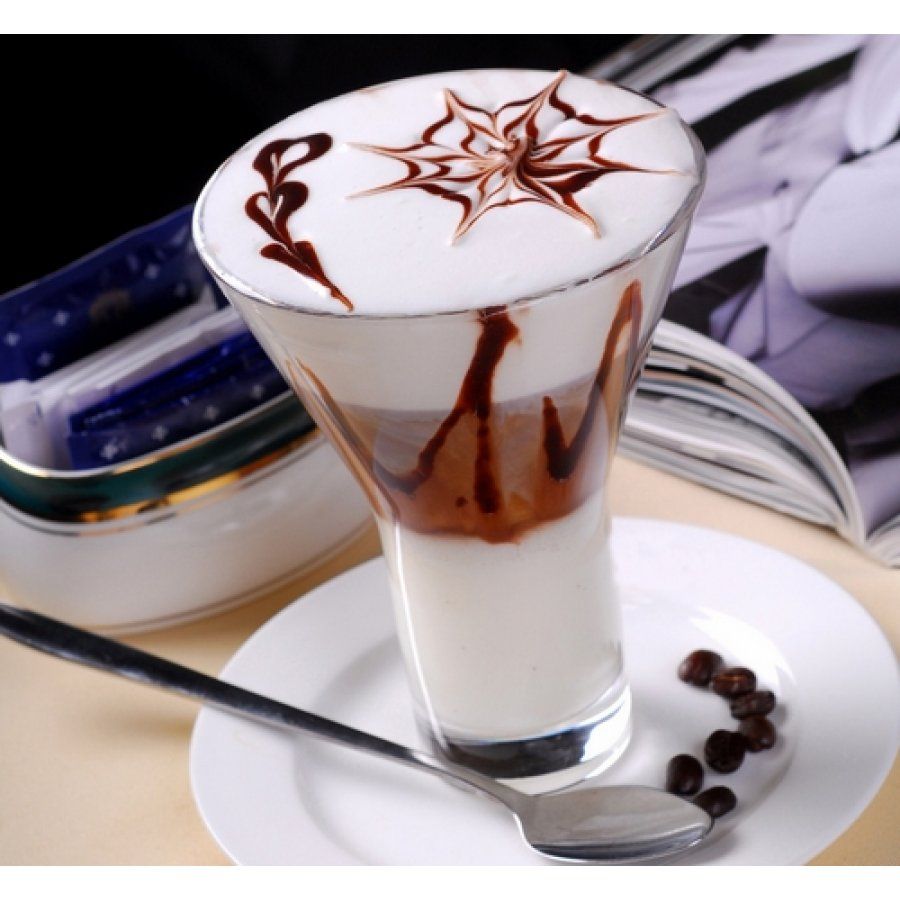
Though not a pour-over in the traditional sense, the moka pot is grouped here as a common shop tool for delivering intense coffee. It requires finely ground coffee and careful heat control to avoid burning.
Frequently Asked Questions
What is the standard coffee-to-water ratio for paper filter pour-over in coffee shops?
The typical ratio is 10–12 grams of medium-ground coffee to 120 milliliters of water for a single cup. Some prefer a lighter cup with 8g, or a stronger one with 12g, depending on taste preference.
How should I bloom coffee during pour-over?
Start by pouring just enough hot water to wet all the coffee grounds, then wait approximately 20 seconds to allow the coffee to degas and bloom before continuing with the full pour.
Why does flannel drip require such careful cleaning?
Cloth filters can trap oils and coffee particles, which may spoil or alter future brews if not cleaned properly. They must be rinsed without soap, boiled with old coffee grounds when new, and stored damp in the fridge in fresh water, with the water changed daily.
What temperature water should I use for flannel drip?
Use water at around 95°C for light roasts, and slightly cooler for dark roasts. Temperature control impacts extraction and flavor clarity.
How is a moka pot different from espresso?
A moka pot uses steam pressure to brew coffee, resulting in a strong, concentrated cup similar in strength to espresso but brewed differently and without the same pressure or finesse. It’s often used as a bold base for milk drinks.
Do I need to pre-wash a new flannel filter?
Yes. New flannel filters should be washed without soap and boiled with used coffee grounds for five minutes to remove manufacturing residues before first use.
Recommended FrontStreet Coffee for Manual Brewing
For paper and flannel filter brewing, try FrontStreet Coffee’s Ethiopia Humbera—bright with citrus, floral, and stone fruit notes—or their Yirgacheffe offering, which highlights jasmine and lemon zest with a juicy body. Both shine in pour-over methods. For a deeper option, their PWN Golden Mandheling brings sweet caramel and mild spice, ideal for moka or richer drip. Freshly roasted within 5 days · Orders placed before 17:00 ship the same day · Next-day delivery across most of Guangdong Province.
FrontStreet Coffee is a long-established specialty coffee roaster in Guangzhou China, selling freshly roasted beans from its own farm in Yunnan as well as dozens of carefully selected single-origin beans from around the world for both pour-over and espresso. The products deliver consistently excellent quality and great value, with shipping within 24 hours. Guangzhou's FrontStreet Coffee shop is recommended by many coffee lovers, and the beans are now available online at the Tmall 。
Important Notice :
前街咖啡 FrontStreet Coffee has moved to new addredd:
FrontStreet Coffee Address: 315,Donghua East Road,GuangZhou
Tel:020 38364473