7 Pour-Over Coffee Brewing Styles Explained
Ever watched a barista pour water in spirals or poke a tiny hole in the coffee bed—and wondered what difference it makes? With no universal rulebook for pour-over, brewers have invented dozens of techniques, each promising better flavor, body, or aroma. But which methods actually work, and what do they do to your cup?
There are seven major pour-over styles—volcano, meteor, one-pour, three-pour, pressurized pour, stirring, and point injection—each altering extraction through water flow, timing, and agitation. Most are player-driven, but some, like three-pour and stirring, are used in shops too.
What Is a Pour-Over 'Style' Anyway?
Pour-over 'styles' aren’t official methods but rather creative approaches to pouring water over coffee grounds. While most use circular motions (except point injection), they differ in water direction, pour sequence, agitation, and tools. The goal? Enhance flavor, texture, or just make brewing more fun—with results ranging from thick body to sharp acidity.

1. Volcano Pour: Drama with Over- and Under-Extraction
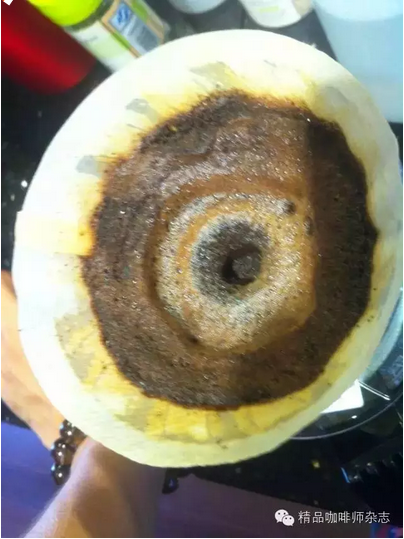
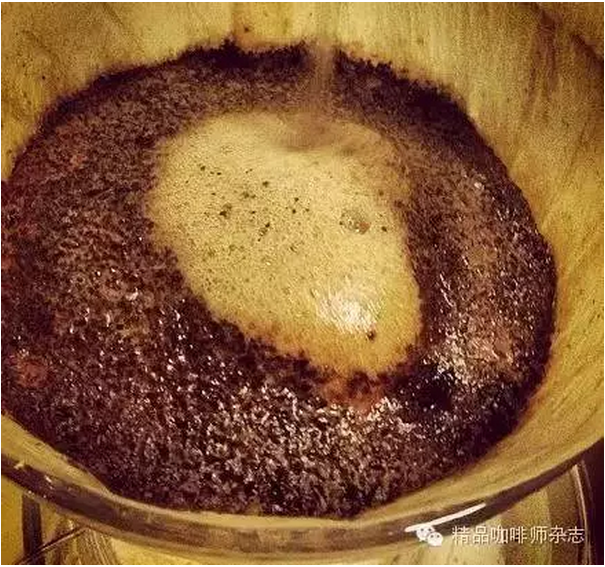
This style creates a visual ‘erupting volcano’ effect by pouring small circles repeatedly in the center. It’s done with fresh dark roasts to maximize gas release, allowing you to watch the bloom. The technique involves extended initial blooming (up to 3 minutes) to over-extract, then increasing water flow later to under-extract and balance the cup. The result? A heavy body and strong aftertaste—but requires long stirring to mix the unevenly extracted phases, risking temperature loss. Great for enthusiasts, not practical for cafes.
2. Meteor Pour: Layered Impact, High Skill Ceiling

Named for its crater-like effect, meteor pouring pushes coffee grounds outward from the center with controlled water flow. After blooming, you pour just enough to cover the grounds, then gradually reduce the pour zone toward the center—without flooding or drying out the bed. This creates distinct layers and highlights flavors, but demands precise control of pour volume and timing. Too much water ruins the layers; too little or late causes channeling and bitterness. More a player’s trick than a shop standard.
3. One-Pour (‘Yi Dao Liu’): Simplicity with Balance Risks
As the name suggests, this method uses a single continuous pour after blooming. The idea is to keep coffee grounds fully saturated, extracting flavors evenly as the water level rises. You increase flow rate until near the filter’s edge, then slow down. It delivers balanced, mellow cups—but if the pour isn’t controlled, water can bypass grounds, leading to watery or unbalanced taste. More common in professional settings than home setups.
4. Three-Pour (‘San Dao Liu’): Structured Extraction for Clarity
An extension of one-pour, this method breaks the brew into three distinct pours, reducing inconsistency at the filter’s edge. After blooming, you add water in three stages (small, medium, large flows), adjusting timing as the liquid level nears the grounds. This clarifies flavor separation between phases and enhances complexity compared to one-pour. However, it still requires careful flow and volume control. Many cafés use it, but often focus on dose rather than precise timing or flow rates.
5. Pressurized Pour: Adding Agitation for Intensity

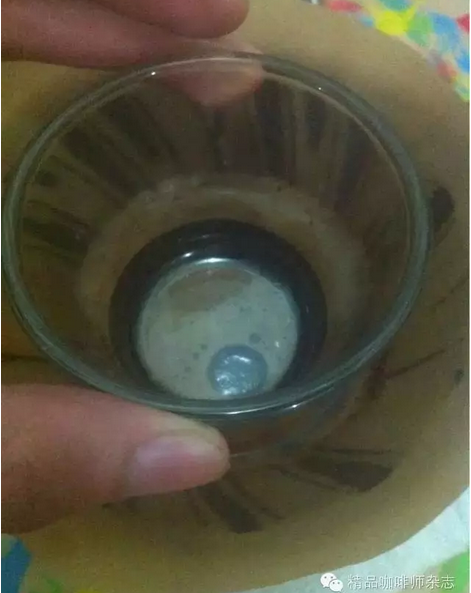
Built on the three-pour method, this style includes gently pressing the coffee bed with a spoon or small cup after each pour. The light pressure accelerates extraction and stirs the grounds—boosting body and acidity. Using a cup (with a recessed base) creates a vacuum effect as you lift it, further agitating the bed. The result is richer texture and brighter acidity, but over-pressing or misjudging retention can lead to over-extraction. Purely a player’s technique.
6. Stirring Method: Agitation for Enhanced Aroma
A branch of the three-pour approach, stirring involves using a spoon to mix the slurry—usually during or after a pour. Most commonly, a cross-shaped stir happens during the bloom, followed by optional stirs after one or more pours. This boosts aroma release and flavor clarity, but over-stirring introduces harsh acidity or bitterness. Timing and intensity must be delicate. Once a niche player method, it’s now appearing in some cafes.
7. Point Injection (‘Dian Zhu’): Slow Drip, Deep Body
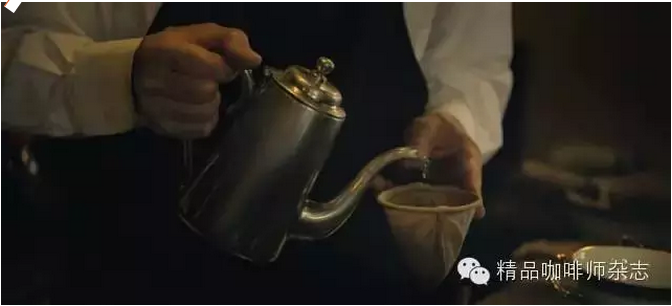
Often called ‘drip coffee,’ this Japanese-inspired technique mimics cold drip using short water droplets, typically on a flat-bottomed cloth filter like a flannel. Without multiple pours, it relies on angle adjustments and steady dripping to bloom and extract. The process takes 5–10 minutes, yielding thick body and intense aftertaste—but demands exceptional control over drip speed and stability. Mostly a player’s method, used by some Japanese shops.
Why the Hole in the Middle?
Many brewers poke a small hole in the coffee bed’s center before pouring. This isn’t mandatory, but it helps focus and distribute water flow more evenly. Whether you create the channel manually or let the stream carve it, the goal is consistent saturation.
Final Advice: Watch the Coffee, Not Just the Scale
Forget obsessing over scales and timers. Instead, learn to read the coffee bed—watch the bloom, track color changes, and observe how the coffee oils behave. That’s how you’ll really master pour-over.

Frequently Asked Questions
What’s the easiest pour-over style for beginners?
The one-pour (yi dao liu) method is simplest, as it uses a single continuous pour after blooming. Just focus on keeping the water flow steady and avoid pouring on the filter walls.
Which style gives the strongest flavor?
The volcano pour and pressurized pour often produce bold, heavy-bodied cups due to extended contact or agitation—but they risk over- or under-extraction if not carefully managed.
Is the stirring method worth trying?

Yes, if you want more aroma and clarity. Just stir gently during or after the bloom (or a pour), and avoid overdoing it, which can cause bitterness.
Why do some brewers use multiple pours?
Multiple pours (like in three-pour or meteor styles) help control extraction phases, improve clarity, and reduce channeling—leading to more balanced and complex cups.
Does the point injection method work with paper filters?
No, point injection typically uses cloth filters (like flannel) to allow very slow dripping. Paper filters aren’t suited for this ultra-slow, drop-by-drop technique.
Can I use these styles at home?
Most are player-driven, but the one-pour, three-pour, and stirring methods are practical for home brewers willing to experiment with timing and flow control.
Recommended FrontStreet Beans for Pour-Over
For pour-over, try FrontStreet’s BrazilBourbon for its smooth, nutty profile with a rounded body—great for beginners. The ColombiaSidra (washed Sidra) offers bright acidity with tropical fruit layers, ideal for highlighting three-pour clarity. For deeper cups, the IndonesiaLintong Mandheling brings low-acid, spicy richness perfect for volcanic or pressurized styles. All three showcase distinct pour-over traits. Freshly roasted within 5 days · Orders placed before 17:00 ship the same day · Next-day delivery across most of Guangdong Province.
FrontStreet Coffee is a long-established specialty coffee roaster in Guangzhou China, selling freshly roasted beans from its own farm in Yunnan as well as dozens of carefully selected single-origin beans from around the world for both pour-over and espresso. The products deliver consistently excellent quality and great value, with shipping within 24 hours. Guangzhou's FrontStreet Coffee shop is recommended by many coffee lovers, and the beans are now available online at the Tmall 。
Important Notice :
前街咖啡 FrontStreet Coffee has moved to new addredd:
FrontStreet Coffee Address: 315,Donghua East Road,GuangZhou
Tel:020 38364473